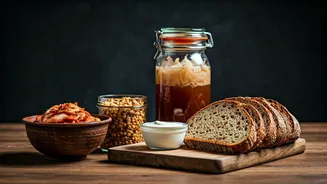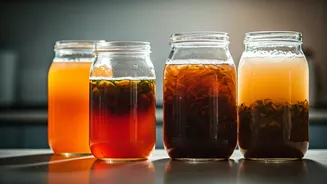





Why Bother With Homemade Probiotics?
Fermented foods are packed with beneficial bacteria that can significantly improve your digestive health, support your immune system, and even enhance nutrient absorption from the food you eat. When you make them at home, you control the ingredients,
avoiding the added sugars and preservatives often found in store-bought versions. Beyond the health benefits, home fermentation is a cost-effective and deeply satisfying hobby. The process transforms simple ingredients into complex, tangy, and flavourful foods that are easier to digest. From the familiar comfort of homemade dahi to the fizzy kick of kombucha, you can create a variety of healthy additions to your diet.
Tips for Fermenting in the Monsoon
The monsoon's high humidity and warm temperatures can make fermentation happen much faster, but they also create a prime environment for unwanted mould. Don't worry, a few adjustments are all you need. First, find a relatively cool and stable spot in your home, away from direct sunlight and appliances that generate heat. Since fermentation will be quicker, start tasting your ferments earlier than you would in a drier climate—what might take a week in winter could be ready in just a few days. Be extra vigilant about hygiene; use clean glass jars and utensils to prevent contamination. If you notice your doughs or vegetable ferments seem too wet, you can slightly reduce the water in your recipe to compensate for the moisture in the air.
Start Simple: Classic Dahi (Curd)
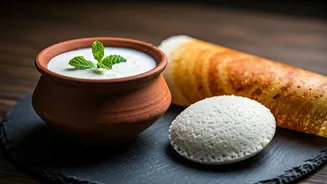
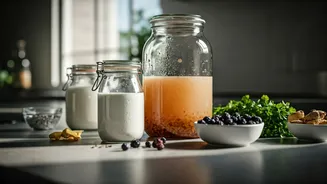
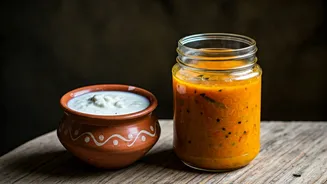
Dahi is the perfect entry point into home fermentation and a staple in many Indian households. To make it, gently heat milk until it's warm to the touch but not hot. Pour the warm milk into a bowl or pot and stir in a teaspoon of starter culture from a previous batch of dahi. Mix it well, cover the container, and let it sit in a warm, undisturbed place overnight. By morning, the beneficial bacteria will have worked their magic, turning the milk into thick, tangy curd ready to be enjoyed.
Next Level: Fizzy Water Kefir
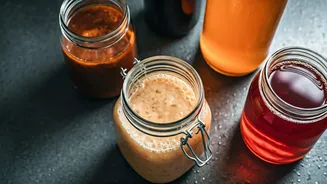
If you're looking for a dairy-free, fizzy drink, water kefir is a fantastic option. It's fermented using water kefir grains, which are clusters of bacteria and yeast that look like small, translucent crystals. The process is simple: dissolve about a quarter cup of sugar in a litre of filtered water and let it cool. Add the water kefir grains to the sugar water in a glass jar, cover it loosely with a cloth, and let it ferment at room temperature for 24 to 48 hours. Once it's slightly tangy and fizzy, strain out the grains to use for your next batch and refrigerate the finished drink.
The Adventurous Ferment: Homemade Kombucha
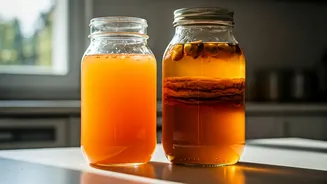
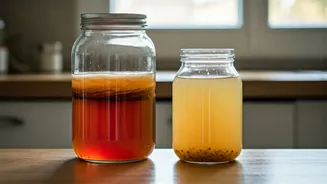
Kombucha is a fermented tea beverage that has become incredibly popular. To make it, you'll need a SCOBY (Symbiotic Culture of Bacteria and Yeast), which looks like a rubbery disc. Start by brewing strong, sweetened black or green tea and allowing it to cool completely—hot tea can harm the SCOBY. Pour the cooled tea into a large glass jar, add the SCOBY along with some starter liquid (kombucha from a previous batch), and cover the jar with a breathable cloth. Let it ferment for 7 to 14 days, tasting it periodically until it reaches your desired balance of sweet and tart.
A Note on Safe Fermentation
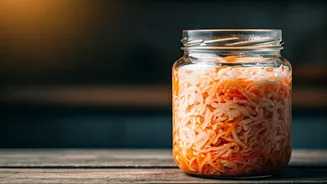
While home fermentation is very safe, always trust your senses. Your ferment should have a pleasant, tangy, or sour smell. If you see any fuzzy mould (not the flat, pale SCOBY) or if it smells rotten or unpleasant, it's best to discard the batch and start over. Always ensure your vegetables stay submerged under the brine to prevent mould growth. Using clean, sterilized glass jars is one of the most important steps to ensure a healthy and successful ferment every time.