
The Sweet Facts About Chikoo
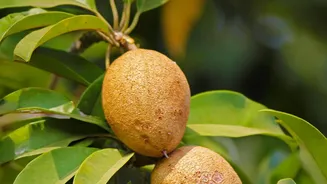
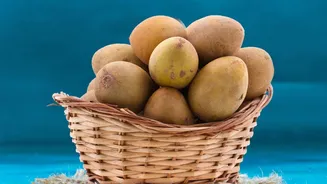
Before we dive into the recipes, let's talk about what makes chikoo, also known as sapota, so special. This fruit is a powerhouse of natural sugars like fructose and sucrose, which provide a quick and revitalising energy boost. This is why it tastes so incredibly
sweet and works well in desserts, often reducing the need for processed sugar. But it's not empty calories. Chikoo is also an excellent source of dietary fibre, which is crucial for good digestion. A single 100-gram serving can provide about 5 grams of fibre. Additionally, it's packed with vitamins A and C, which support the immune system and promote healthy skin. The unique, slightly grainy texture and brown sugar-like flavour make it a versatile ingredient that adds both sweetness and body to dishes.
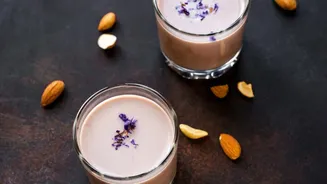
1. The Effortless Classic: Chikoo Milkshake
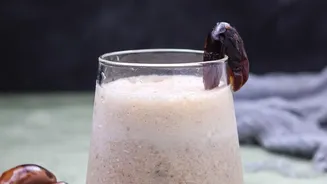
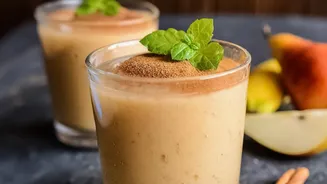
A chikoo milkshake is perhaps the most popular way to enjoy the fruit's flavour. Its natural creaminess means you don't need to add ice cream to get a rich, thick texture, though you certainly can for an extra-decadent treat. For a simple and healthy version, just blend ripe, peeled, and deseeded chikoo with chilled milk until smooth. Because ripe chikoo is already so sweet, you might find you don't need any extra sugar at all. If you do prefer it sweeter, a touch of jaggery or honey complements its earthy notes perfectly. For a vegan alternative, almond or coconut milk works beautifully.
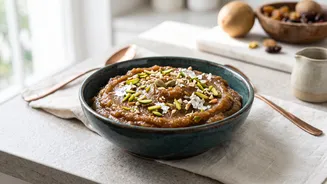
2. The Festive Treat: Chikoo Halwa
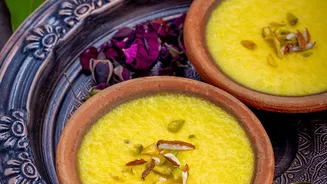
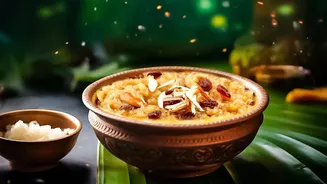
For a truly special dessert, Chikoo Halwa is a standout. This rich, pudding-like sweet showcases the fruit's cooked flavour. To prepare it, peeled and mashed chikoo is cooked down, often with ghee, milk, and khoya (milk solids) until it thickens to a dense consistency. The fruit's pulp cooks down into a jammy, fragrant base. Cardamom powder is a classic addition, enhancing the warm, caramel notes of the chikoo. Garnished with slivered almonds and pistachios, this halwa is a comforting and impressive dish for festive occasions or a luxurious end to a meal.
3. The Cool Indulgence: No-Churn Chikoo Ice Cream
Yes, you can make creamy, delicious chikoo ice cream at home without an ice cream maker. The key is to use a few simple, high-fat ingredients that prevent ice crystals from forming. A popular method involves blending chikoo pulp with condensed milk and then folding this mixture into whipped heavy cream. The natural pectin and texture of the chikoo contribute to a smooth final product. After blending, the mixture is poured into a freezer-safe container and frozen until firm. The result is a scoopable, flavourful ice cream that perfectly captures the fruit's unique essence.
4. The Comforting Twist: Chikoo Kheer
Kheer, a traditional Indian rice pudding, gets a delightful upgrade with the addition of chikoo. The standard process involves simmering milk and rice until the mixture thickens and the rice is soft. The chikoo puree is typically added after the kheer has been cooked and cooled down slightly to prevent the milk from splitting. This method ensures the pudding remains creamy while being infused with the fruit's flavour. The natural sweetness of the chikoo means you can use less sugar than in a traditional kheer recipe. Flavoured with cardamom and garnished with chopped nuts, Chikoo Kheer is a comforting dessert with a surprising twist.
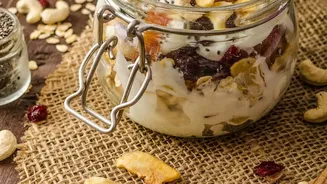
5. The Modern Dessert: Chikoo Mousse
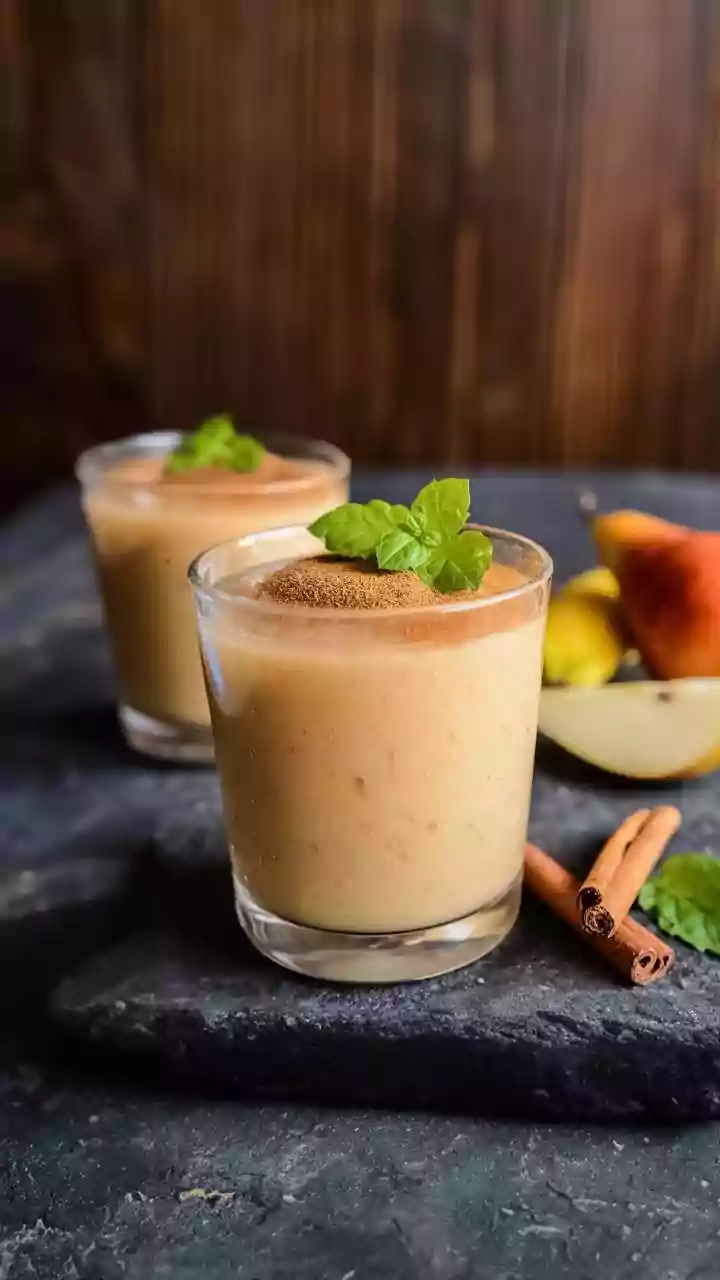
For a light, airy dessert that’s quick to prepare, chikoo mousse is an excellent choice. This recipe often requires just three main ingredients: ripe chikoo, heavy whipping cream, and a sweetener if needed. The fruit is first blended into a smooth puree. Separately, heavy cream is whipped until it forms stiff peaks. The chikoo puree is then gently folded into the whipped cream to maintain its airy texture. The mousse can be layered in glasses with extra puree at the bottom and then chilled for at least an hour to set. It's an elegant and modern way to serve this traditional fruit.