




The End of the Off-Season
For decades, the Indian travel calendar was predictable: peak seasons in summer and winter, with a long, quiet lull during the monsoon. That calendar is being rewritten. A remarkable shift in traveller preferences has turned the rainy season into a new
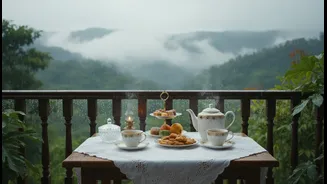
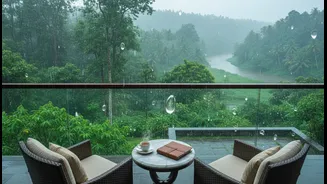
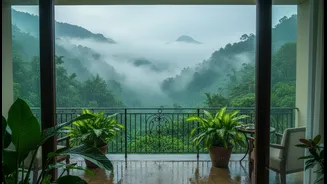
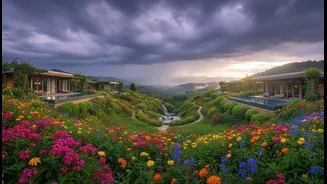
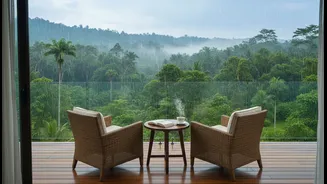
frontier for domestic tourism. Hotels across the country, from Goa and Kerala to the hill stations of Uttarakhand and Himachal Pradesh, are reporting a sharp rise in bookings during what was once a quiet period. Destinations like Munnar and Mussoorie have seen a nearly tenfold growth in hotel bookings compared to last year's monsoon season. This surge isn't just about escaping cities; it's about embracing the unique beauty that the rains bring, from lush, mist-covered landscapes to rejuvenated waterfalls.
From Discounts to Experiences
In the past, the only tool hotels used to attract monsoon guests was a significant price drop. While value remains a draw, the strategy has become far more sophisticated. Hotels are no longer just selling cheaper rooms; they are selling curated monsoon experiences. Instead of just sheltering guests from the rain, they are encouraging them to enjoy it. This includes everything from offering special food and beverage promotions, like freshly made fritters with tea, to organizing indoor masterclasses in pastry-making or mocktail mixing. Many properties are designing packages that focus on wellness, such as Ayurvedic treatments, which are considered particularly effective during the monsoon. Others are creating immersive nature retreats with guided walks and showcases of local culture, transforming a rainy day into a memorable part of the holiday.
Why We Learned to Love the Rain
Several factors are driving this change in attitude towards monsoon travel. Travellers are increasingly seeking experiences over just destinations, looking for trips that align with personal interests like wellness, spirituality, and nature. The dramatic transformation of landscapes, where vibrant greenery replaces summer's dust, offers a quieter, more authentic side of India. This visual appeal is amplified on social media, romanticizing rain-soaked hills and misty mornings. Furthermore, travellers are seeking escapes from crowded cities and are drawn to the promise of fewer tourists at popular spots. The rise of flexible and remote work has also enabled people to take shorter, more spontaneous trips, with data showing a significant number of bookings are made just days before travel.
New Destinations Emerge
The monsoon travel boom is not limited to traditional rainy-season strongholds like Kerala and Goa. While these destinations continue to see robust demand, with hotel searches for Goa in July rising nearly 40% compared to the peak summer season, other regions are gaining popularity. Hill stations like Lonavala, Mahabaleshwar, Kasauli, and Nainital are witnessing a surge in visitors. Even states in the Northeast, such as Nagaland and Arunachal Pradesh, have emerged as standout performers, recording a 62% year-on-year rise in flight bookings. Heritage destinations like Udaipur and Mount Abu, where the rains fill the lakes and lend a romantic atmosphere, are also drawing crowds. This geographic diversification shows the widespread appeal of monsoon tourism across the country.
The Business of Drizzle
For the hospitality industry, this trend is a welcome development. The growth of monsoon tourism helps create a more stable, year-round revenue stream, smoothing out the harsh seasonal troughs that once plagued the sector. Higher occupancy rates during these months mean better financial health for hotels and more stable employment for staff. Some hotel chains are reporting July bookings pacing nearly 10% ahead of the previous year. Major hotel groups are actively courting rainy-season travellers with targeted campaigns and special offers, recognizing that the monsoon is no longer a liability but a powerful travel driver in its own right. This structural shift ensures that the business of travel can thrive not just in spite of the weather, but because of it.