



The New Festive Plate
For generations, festive seasons in India—from Diwali to Durga Puja—were synonymous with a temporary suspension of dietary rules. It was a time for ghee-laden sweets, deep-fried savouries, and rich, celebratory meals. While the spirit of feasting remains,
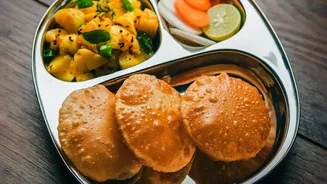
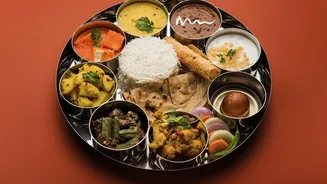
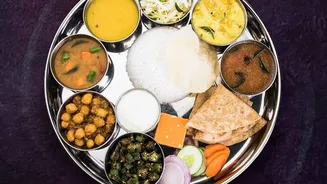
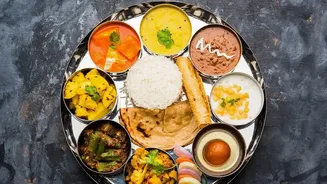
the execution is undergoing a quiet revolution. Today, a growing number of households are navigating the festivities with a new mantra: balance. This isn't about restriction or replacing beloved classics, but about thoughtful evolution. The modern festive plate seeks to retain the joy and tradition of celebratory foods while mitigating the post-festival feelings of sluggishness and guilt. It’s a shift from an all-or-nothing mindset to one of mindful indulgence, where enjoyment and everyday well-being are no longer seen as mutually exclusive goals.
Sweets Get a Smart Makeover
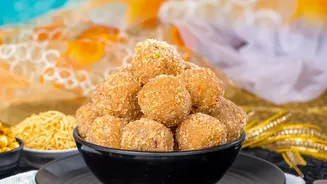
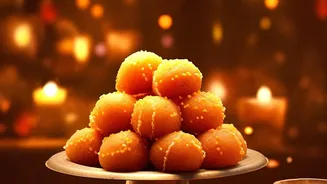
The change is most visible in the realm of mithai. Instead of refined white sugar, many are turning to natural sweeteners like jaggery, dates, and honey, which offer more complex flavours and minerals. A Godrej Food Trends Report highlighted that a vast majority of food experts see a rising demand for special diet versions of traditional sweets. This has sparked culinary creativity, leading to innovations like ragi laddoos, which substitute besan with nutrient-dense finger millet flour, and sugar-free barfis sweetened with fruit purees. Even traditional preparations are being tweaked; for instance, opting for milk-based desserts like kheer or sandesh, which provide protein, over those that are purely fat and sugar. The goal is not to eliminate sweets, but to make them smarter.
Rethinking the Savoury Snack
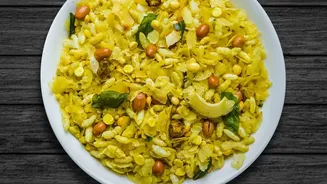
Savoury snacks, the crispy companions to festive chai, are also being reimagined. The deep fryer, once the undisputed king of the festive kitchen, is now sharing its throne with the air fryer and the oven. There's a clear trend towards baked or roasted versions of classics like samosas, mathris, and chaklis. These methods drastically reduce the oil content without sacrificing the much-loved crunch. Furthermore, home chefs are experimenting with different flours. Refined maida is often being swapped or supplemented with whole wheat, jowar, or other millet flours to increase fibre and lower the glycemic index of snacks. This shift reflects a broader consumer awareness of the link between lifestyle diseases and diet, turning the humble snack into a conscious choice.
Why the Shift Is Happening Now
Several factors are driving this evolution. A greater awareness of health and wellness, amplified by social media and accessible information, has made people more conscious of what they eat. The focus has shifted from temporary dieting to building sustainable, year-round healthy habits that don't need to be completely abandoned during festivals. Nutritionists widely advocate for portion control and making smart swaps rather than outright prohibition. Moreover, there's a renewed appreciation for India's own culinary heritage, which has always included nutritious ingredients like millets, seeds, and ghee. The current trend can be seen not just as a move towards 'modern health food' but as a rediscovery of traditional wisdom, where seasonal and local ingredients were used to create balanced meals even during celebrations.