



Lohagad Fort, Maharashtra
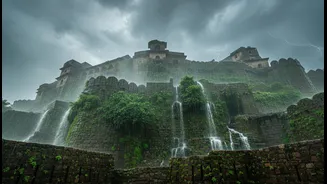
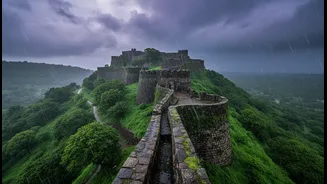
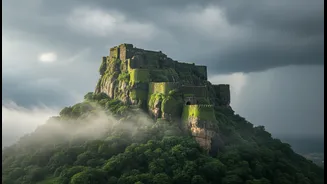
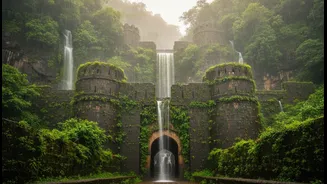
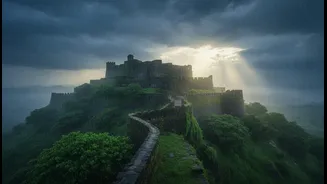
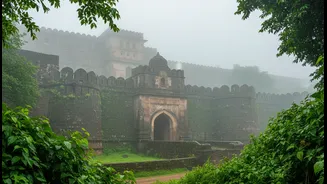
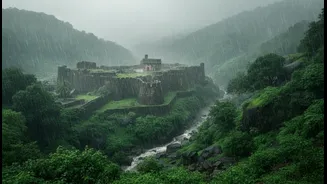
A favourite among trekkers from Mumbai and Pune, Lohagad Fort becomes a vision during the monsoon. Meaning “Iron Fort,” this historic structure sits in the Sahyadri range, offering breathtaking views that are amplified by the season. As the rains arrive,
the fort and its surroundings are carpeted in a vibrant green, with low-hanging clouds and mist creating a mystical atmosphere. The trek to the top is considered beginner-friendly, leading you past gushing seasonal waterfalls and stone steps with water flowing over them. The highlight is the 'Vinchu Kata' or scorpion’s tail, a long, fortified spur that offers dramatic views of the mist-covered valley below.
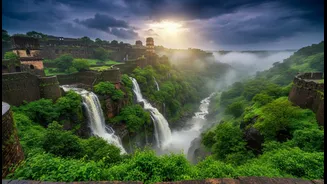
Kumbhalgarh Fort, Rajasthan
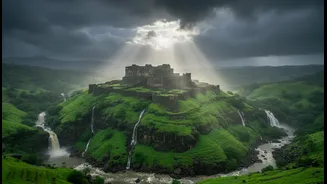
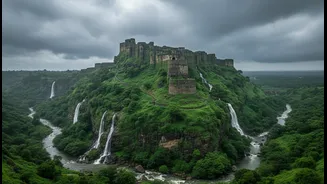
Rajasthan might evoke images of arid deserts, but the monsoon tells a different story, especially at Kumbhalgarh. This UNESCO World Heritage site, with its formidable wall stretching over 36 kilometres, offers a dramatic spectacle as storm clouds gather. The surrounding Aravalli Hills, usually rugged and brown, turn a surprising and lush emerald green. Visiting during this time means fewer crowds and the unique experience of seeing the fort's massive ramparts emerge from drifting fog. The Badal Mahal, or 'Palace of Clouds', lives up to its name, offering panoramic views of the revived landscape from the fort's highest point. The cooler temperatures make exploring this vast fortress a much more pleasant affair.
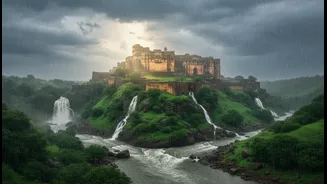
Mandu, Madhya Pradesh
Often called the 'City of Joy', Mandu is a ruined city that feels purpose-built for the romance of the monsoon. Its collection of palaces, mosques, and tombs, spread across a lush plateau, takes on a magical quality when the rains arrive. Structures like the Jahaz Mahal, situated between two artificial lakes, create the illusion of a ship floating on water. The romance of the city is embodied in the tale of Baz Bahadur and Rani Roopmati, whose pavilion offers stunning views of the Narmada valley below. During the monsoon, the ancient water harvesting systems fill up, the gardens bloom, and the entire city seems to celebrate the season, making it a paradise for history buffs and nature lovers alike.
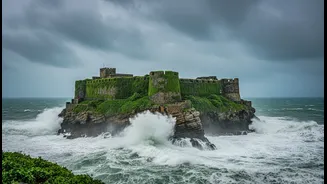
Bekal Fort, Kerala
For a truly dramatic monsoon experience, head to the coastline of Kerala where Bekal Fort stands guard. As the largest fort in the state, its massive laterite walls jut out into the Arabian Sea. During the monsoon, the experience is intensified. The sea becomes wilder, with powerful waves crashing against the fort’s bastions, creating a spectacular display of nature's force. The persistent rains enhance the greenery surrounding the fort, and the overcast sky provides a moody, atmospheric backdrop perfect for photography. While many tourists visit during the drier winter months, the monsoon offers a chance to see the fort in its most dramatic and elemental state, often with fewer visitors.
Monsoon Travel Safety
While these destinations are stunning, monsoon travel requires extra care. Trails and stone steps at forts can become extremely slippery and moss-covered. Always wear sturdy footwear with a good grip and avoid shoes that can't handle mud and water. Pack lightweight, quick-drying clothes and a reliable rain jacket or poncho. Given the possibility of heavy rain and fog, always check local weather advisories before you head out and be prepared for potential travel delays. It’s also wise to start your explorations early in the day to avoid the heaviest downpours and to ensure you have enough daylight. Keeping these simple precautions in mind will ensure your monsoon fort adventure is both memorable and safe.