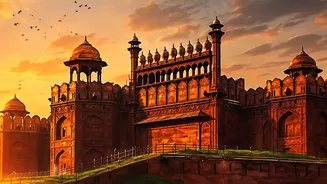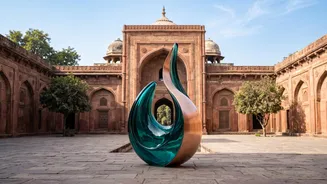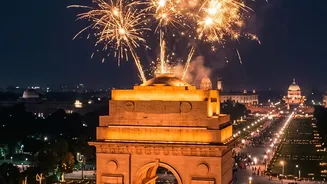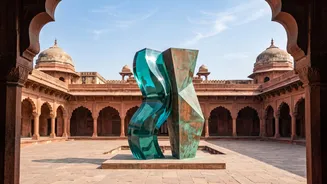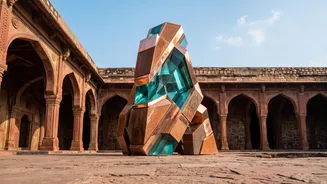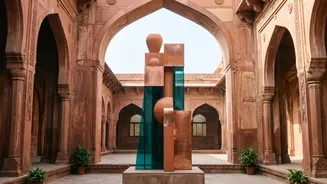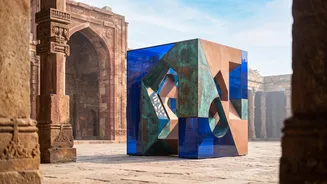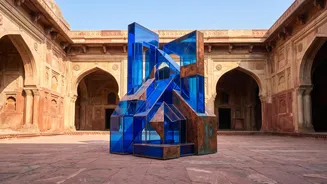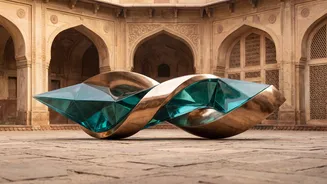

Imagine stepping into a centuries-old tomb, not just to admire its architecture, but to discover a striking contemporary art installation within. This is the vision sparking excitement across India's art world ahead of a proposed December opening.
A Groundbreaking Vision for Art
The
concept of a biennale is not new to India, but placing one amidst the historical heart of Delhi is a game-changer. A biennale is a large-scale international contemporary art exhibition held every two years, and the most successful ones become global cultural pilgrimages. By moving beyond sterile white-walled galleries and into the city's living, breathing monuments, an event of this nature proposes a radical dialogue between India's layered past and its creative future. It suggests a city where history is not just preserved behind velvet ropes, but is an active participant in contemporary cultural conversations. This approach aims to democratise art, taking it to public spaces and inviting an audience that might not typically visit a traditional museum.
Following a Proven Blueprint
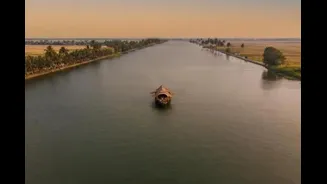
The idea of integrating art with heritage spaces has a powerful precedent in India: the Kochi-Muziris Biennale. Since its launch, the Kochi biennale has been lauded for its masterful use of the city's historic fabric. Old, forgotten spice warehouses, colonial-era bungalows, and dilapidated godowns in Fort Kochi and Mattancherry are transformed into buzzing, atmospheric art venues. This model did more than just create a unique viewing experience; it revitalised an entire district, boosted tourism, and put Kochi on the international art map. The success in Kerala demonstrates that a biennale can do more than display art; it can breathe new life into heritage structures, creating a powerful synergy where the venue becomes as much a part of the art as the exhibit itself. Delhi, with its even vaster repository of history, seems a natural and exciting next step for this model.
Delhi’s Unmatched Historical Canvas
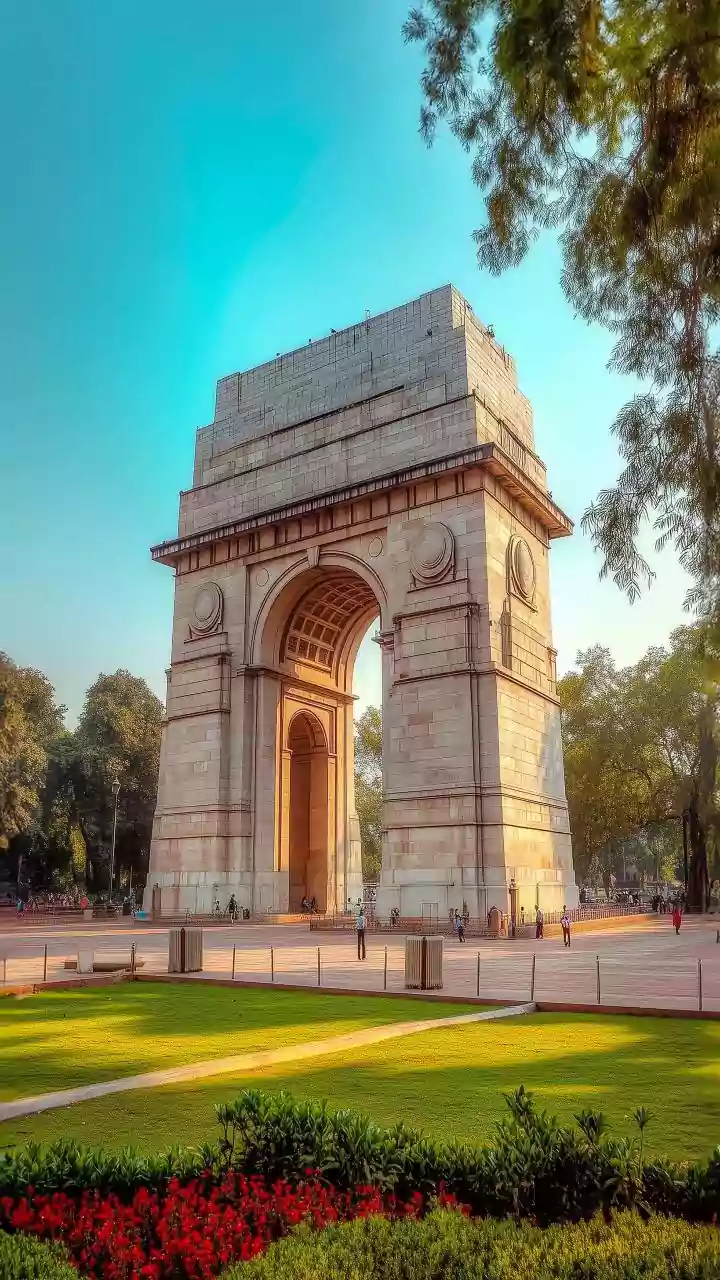
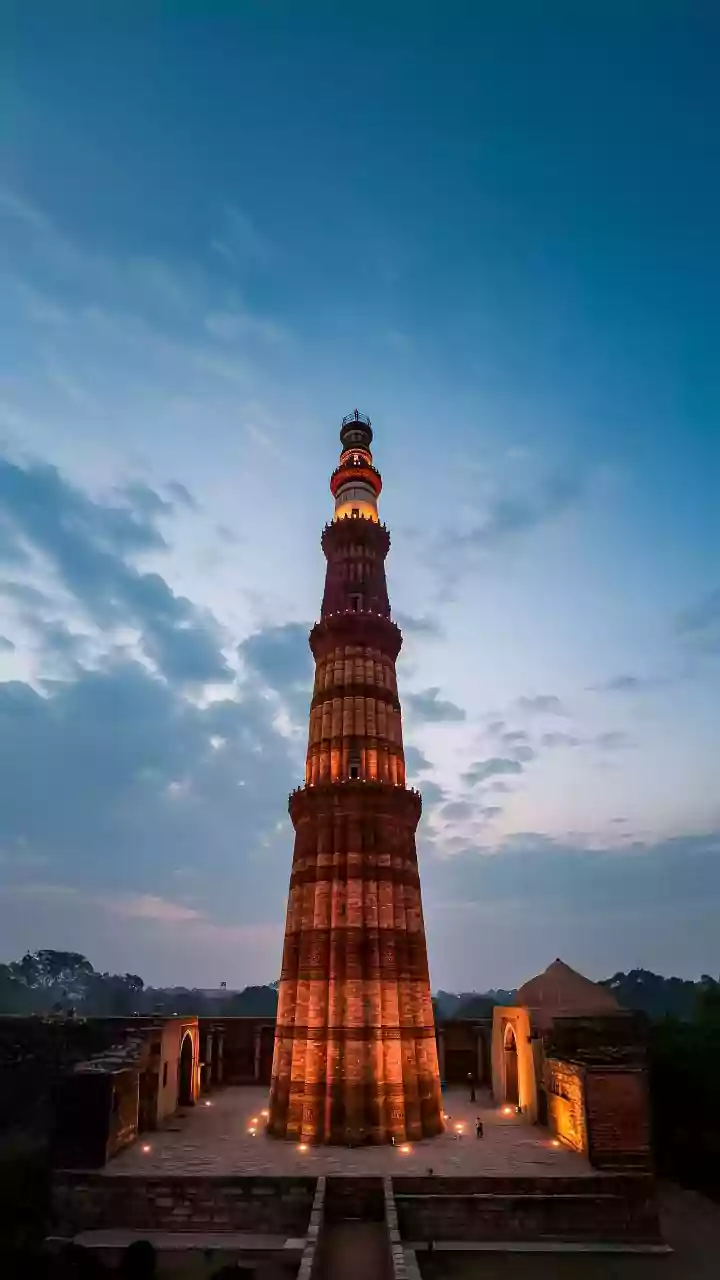
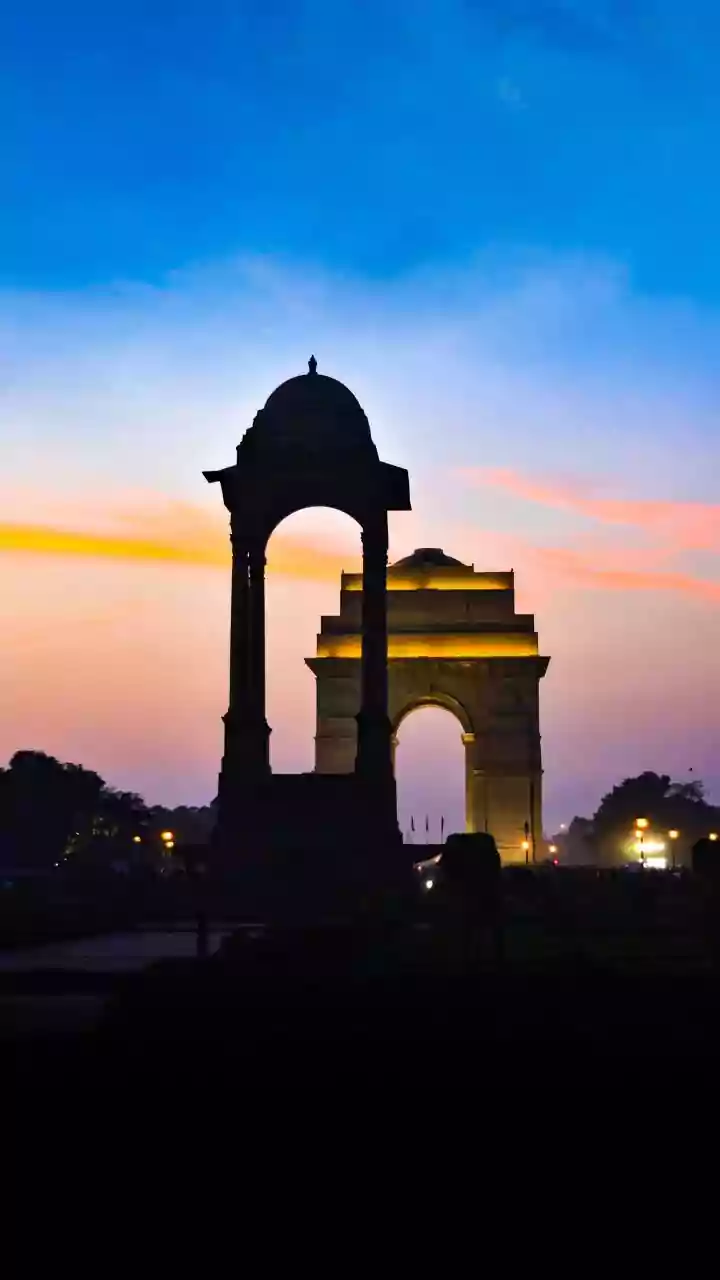
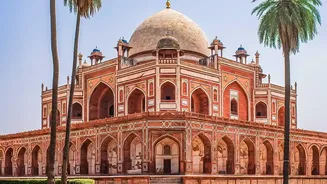
The potential venues in Delhi offer a narrative depth that is unparalleled. One can imagine large-scale sculptures dotting the sprawling lawns of Sunder Nursery, or intricate digital art projected onto the weathered walls of a lesser-known Lodi-era tomb. Think of sound installations echoing through the forgotten archways of Mehrauli Archaeological Park, or site-specific works in the courtyards of the majestic Purana Qila. Each location comes with its own rich history of empire, trade, spirituality, and daily life. Curators and artists would have the unique opportunity to create work that responds to these histories, creating layers of meaning that a neutral gallery space could never provide. The audience experience would be transformed from a passive viewing into an immersive journey through time, culture, and creativity.
Balancing Ambition with Preservation
Of course, mounting an art exhibition across multiple protected heritage sites is an immense logistical and curatorial challenge. It requires a delicate dance between artistic ambition and the absolute necessity of architectural preservation. Any project of this scale would demand close collaboration with government bodies like the Archaeological Survey of India (ASI) to ensure that the integrity of these priceless monuments is paramount. The goal is not to alter the sites, but to inhabit them respectfully and temporarily. The interventions must be non‐invasive, reversible, and designed to highlight, not harm, the structures. However, these challenges are also opportunities. Successfully navigating them would set a new global standard for how heritage and contemporary culture can coexist and enrich one another, making history accessible and exciting for a new generation.