








Customer Demand and Sheer Convenience
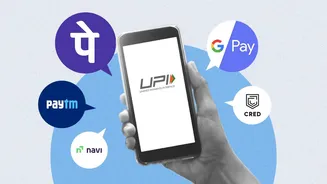
The primary driver for UPI's adoption is simple: customers expect it. With over 500 million active users, UPI has become the default payment method for a huge portion of the Indian population. For a small shop owner, not accepting UPI means potentially
losing a sale to a competitor next door who does. The process is seamless for both parties; customers scan a QR code and pay from their phone, while the merchant receives an instant confirmation. This eliminates the hassle of handling exact change, reduces the risk associated with keeping large amounts of cash on hand, and significantly speeds up the checkout process, improving customer satisfaction.
The Zero-Cost Advantage
For decades, the cost of going digital was a major barrier for small businesses. Card payments came with a Merchant Discount Rate (MDR), a percentage fee on every transaction that ate into already thin profit margins. UPI changed the game with its zero-MDR policy for the vast majority of transactions. Following a government mandate, person-to-merchant (P2M) UPI transactions have been largely free for merchants, making it the most affordable digital payment option available. Even with recent framework changes introducing a small fee on high-value transactions, payments under ₹2,000 remain free, as do all transactions for small merchants receiving less than ₹1 lakh per month via UPI. This cost-effectiveness has been a powerful incentive for adoption.
Immediate Access to Funds
Cash flow is the lifeblood of any small business. Unlike card payments that could take one or two business days to settle (T+1 or T+2), UPI transactions are settled in real-time. The money is transferred directly from the customer's bank account to the merchant's account instantly. This immediate access to funds allows shop owners to manage their working capital more efficiently. They can pay suppliers faster, restock inventory quicker, and have a clearer, more immediate picture of their daily earnings without the delay associated with traditional banking cycles.
A Gateway to Financial Services
Adopting UPI does more than just solve the payment problem; it creates a digital footprint for the business. Every transaction is recorded, providing a clear and verifiable history of sales. This digital trail is invaluable for small merchants who have historically operated in the informal economy. A strong record of digital transactions can make it easier for them to access formal credit, as lenders can use this data to assess creditworthiness. Furthermore, this digital bookkeeping simplifies accounting, improves financial discipline, and provides insights that can help the business grow.
Challenges on the Digital Path
Despite its rapid growth, the journey to full digital adoption is not without its hurdles, especially in rural areas. Inconsistent internet connectivity remains a significant barrier, as a stable connection is necessary for a transaction to go through. Digital literacy is another challenge; many small merchants may not be familiar with using smartphone apps or may struggle to differentiate between consumer and merchant modes of UPI operation. Additionally, concerns around security and transaction failures, coupled with a lack of awareness about grievance redressal systems, can create a trust deficit.