




A New Home in the Cosmos
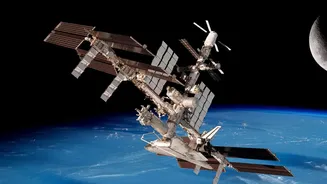
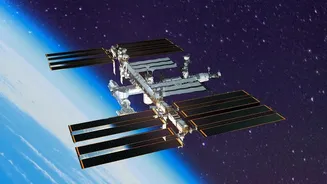
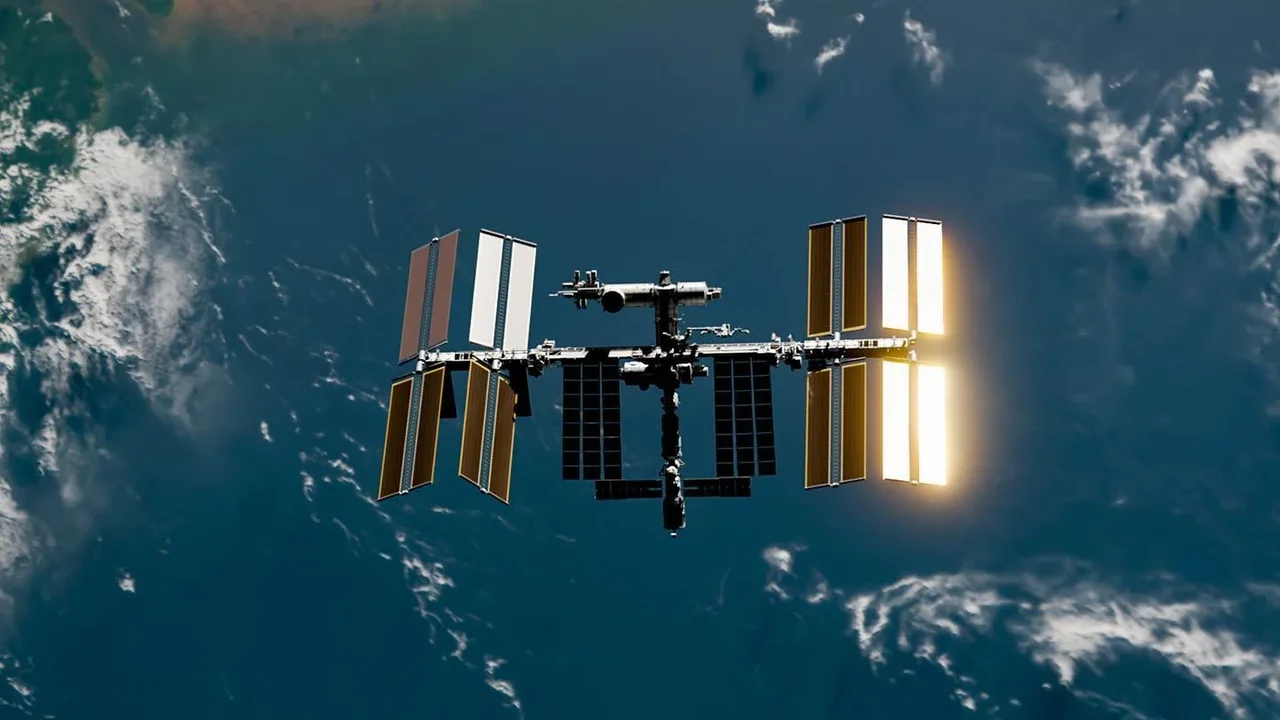
India is officially planning to construct its own modular space station, named the Bharatiya Antariksha Station (BAS). This ambitious project positions India among an elite group of nations with a continuous human presence in space. According to the Indian
Space Research Organisation (ISRO), the initial module, BAS-01, is targeted for launch by 2028. The full five-module station, weighing approximately 52 tonnes, is expected to be fully operational by 2035. Orbiting at an altitude of about 400-450 kilometres, the station will serve as a home and workplace for three to four astronauts on long-duration missions lasting three to six months. This project builds upon the foundations of the Gaganyaan human spaceflight programme, which is developing the core technologies needed for sending astronauts into orbit and returning them safely.
A Laboratory Like No Other
The primary purpose of the Bharatiya Antariksha Station is to serve as a cutting-edge laboratory in space. The unique microgravity environment, where the pull of gravity is greatly reduced, allows for experiments that are impossible to conduct on Earth. This will open up new frontiers in diverse fields such as medicine, biotechnology, material science, and fluid dynamics. Scientists will be able to study the long-term effects of spaceflight on the human body, such as muscle atrophy and bone density loss, which is crucial for planning future deep-space missions. Furthermore, the station will enable the development of advanced materials and pharmaceuticals, potentially leading to breakthroughs that benefit life on Earth.
Powering a Future Space Economy
Beyond pure science, the BAS is a strategic investment in India’s economic future. The station is expected to be a catalyst for the domestic high-tech manufacturing sector and foster innovation that could lead to valuable technological spin-offs. Having an operational space station strengthens India's position in the rapidly growing global space economy, which the country aims to increase its share of significantly. The station could eventually support commercial activities, including in-orbit satellite servicing and the testing of new technologies for private companies. It also solidifies the infrastructure needed to pursue long-term goals like tapping into lunar resources.
A Stepping Stone to Deeper Space
The Bharatiya Antariksha Station is not an end in itself, but a critical stepping stone for India's even grander ambitions. It will function as an essential base for testing technologies and training astronauts for more complex and longer-duration missions, including a planned crewed landing on the Moon by 2040 and future interplanetary journeys. The experience gained in orbital docking, long-term life support systems, and managing human health in space will be invaluable for these future endeavours. The station will essentially act as a launchpad, both literally and figuratively, for the next generation of Indian space exploration.
Geopolitical Standing and Collaboration
Establishing an indigenous space station significantly elevates India's strategic autonomy and its stature as a leading global power. In an era of growing competition in space, having independent capabilities for human spaceflight is a powerful statement. At the same time, it opens up new avenues for international collaboration on India's own terms. ISRO is designing the station with international standards in mind, which would allow for interoperability and potential joint missions with other space agencies. This positions India not just as a participant, but as a leader and a valuable partner in the future of global space exploration.