







A Quest for Authenticity
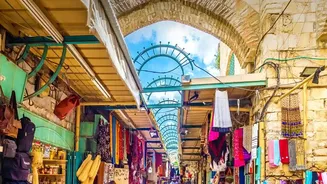
For a generation that grew up with the polished uniformity of global brands, the appeal of the local bazaar lies in its delightful lack of sameness. Unlike the predictable aisles of a department store, markets like Delhi’s Janpath or Mumbai’s Colaba Causeway
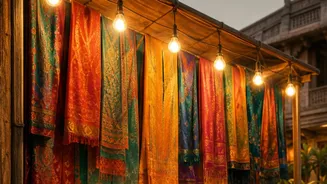
offer a treasure trove of possibilities. Here, style is not dictated by a corporate headquarters but is a fluid concept, open to interpretation. Shoppers can find unique, handcrafted goods, from jewellery to textiles, that carry a story. This move rejects the mass-produced in favour of items with personality and a connection to cultural roots. It’s a shift from buying a product to acquiring a piece with a narrative, a way for young people to express individuality in a globalised world.
The Experience is the Attraction
Shopping in a bazaar is not merely a transaction; it's a sensory and social experience that an app or a mall cannot replicate. It’s the art of conversation and negotiation, the colours and textures of handmade goods, and the aroma of street food. For many young shoppers, the entire experience is an event in itself—a day out with friends, a cultural exploration, and prime content for social media feeds. Platforms like Instagram and YouTube are filled with 'haul videos' and styling tips, transforming these decades-old markets into trendy digital destinations. This online buzz introduces the charm of bazaars to a wider audience, framing them not as old-fashioned but as vibrant cultural hubs.
Sustainability and Conscious Consumerism
As awareness around the environmental and ethical costs of fast fashion grows, younger generations are actively seeking more sustainable options. Traditional bazaars are the original hubs of circular fashion, long before 'thrifting' became a global trend. These markets are filled with second-hand clothing, export surplus items, and goods from local artisans, offering a greener alternative to mass-produced apparel. This aligns with the values of Gen Z and Millennials, who increasingly prioritise environmental responsibility in their purchasing decisions. By choosing to shop at a local bazaar, consumers feel they are making a more conscious choice, supporting small businesses and reducing their fashion footprint.
The Joy of Value and Variety
Beyond the cultural and ethical appeal, there is a strong practical driver: affordability. For students and young professionals on a budget, traditional bazaars offer unparalleled value for money. The ability to bargain makes the shopping experience interactive and empowering, allowing shoppers to feel they’ve secured a great deal. The sheer variety is another significant draw. In a single visit, one can find everything from ethnic wear and silver jewellery to quirky home décor and the latest tech accessories. This blend of variety and value makes bazaars a practical one-stop solution for a generation that is both style-conscious and price-sensitive, turning shopping from a chore into a delightful hunt for hidden gems.