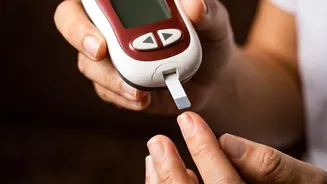








Feeling constantly tired or unusually thirsty? These common complaints might be more than just signs of a busy week. They could be subtle signals from your body about raised blood sugar levels, impacting everything from your energy to your hydration.
Understanding High Blood Sugar
High blood sugar, or hyperglycemia, occurs when there is too much glucose (sugar) in your bloodstream. Normally, the hormone insulin helps move glucose from your blood into your cells, where it's used for energy. However, if your body doesn't produce enough insulin or can't use it effectively, glucose builds up in the blood instead of fuelling your cells. This can happen to people with diabetes, but stress, illness, and even certain medications can also cause temporary spikes. While occasional high blood sugar might not be a major issue, persistently elevated levels can lead to significant health problems over time.
The Energy Drain: Why You Feel So Tired
One of the most common and frustrating symptoms of high blood sugar is a deep, persistent fatigue that rest doesn't seem to fix. This isn't just everyday tiredness; it's a pervasive sense of exhaustion. The reason is simple: even though your blood is rich in glucose, your cells are essentially starving. Without enough insulin to facilitate the transfer, your cells can't get the fuel they need to function properly. This cellular energy crisis leaves you feeling sluggish, weak, and drained, as your body is unable to efficiently convert the sugar in your blood into usable energy.
The Dehydration Cycle: Constant Thirst and Urination
If you find yourself constantly reaching for water and making frequent trips to the bathroom, high blood sugar could be the culprit. This creates a vicious cycle. When there's excess glucose in your blood, your kidneys work overtime to filter and absorb it. If they can't keep up, the extra sugar is flushed out of your body through urine. This process pulls large amounts of fluid from your tissues, leading to more frequent urination. As you lose fluids, your body becomes dehydrated, triggering a powerful thirst signal. This cycle of urination and thirst is a classic sign that your body is struggling to manage its glucose levels.
Other Subtle Signs to Watch For
Beyond fatigue and thirst, several other symptoms can indicate high blood sugar. Blurred vision is a common sign, as high glucose levels can pull fluid from the lenses of your eyes, affecting their ability to focus. You might also notice that cuts and sores are slow to heal, or you experience more frequent skin or urinary tract infections, as high sugar levels can impair circulation and immune function. Some people experience unexplained weight loss because their body starts breaking down muscle and fat for energy when it can't use glucose. Headaches and difficulty concentrating, sometimes described as 'brain fog', can also occur when energy delivery to the brain is disrupted.
When to Listen to Your Body
These symptoms are important messages from your body. While they can be caused by many different factors, their persistence—especially when occurring together—warrants attention. Experiencing unexplained fatigue, constant thirst, frequent urination, or blurred vision should prompt a conversation with a healthcare provider. Ignoring these signals can allow underlying issues to progress, potentially leading to more serious, longterm health complications affecting your nerves, eyes, kidneys, and heart. Early detection and management are key to maintaining your longterm health and wellbeing.