






The Old Advice and Its Flaws
The logic behind using tiny furniture in a small space seems sound at first. If the room is small, the furniture should be small too, right? This led to a trend of dollhouse-like sofas, miniature coffee tables, and slim, single-purpose chairs. The intention
was to leave more floor space visible, creating an illusion of size. However, this approach often backfires. A room filled with numerous small items can feel cluttered and visually chaotic. Instead of feeling open, it can feel busy and unsettled. Furthermore, tiny furniture often compromises on comfort and practicality. A two-seater that can barely fit one person comfortably or a coffee table too small to hold more than a book and a cup of tea ultimately fails the test of daily living.
Enter Double-Duty Design
The current shift in design philosophy moves the focus from scaling down to scaling smart. With urban homes in India becoming more compact and lifestyles more dynamic, functionality is paramount. This is where double-duty, or multi-functional, furniture shines. These are hardworking pieces designed to serve more than one purpose, allowing you to furnish a room with fewer items overall. This approach is not just about saving space; it's about making the space you have work harder for you. Current design trends for 2026 heavily emphasize smart, space-saving solutions like convertible, modular, and hidden-storage furniture.
Functionality That Transforms a Room
A single piece of multi-functional furniture can replace two or even three traditional items. Think of a storage ottoman that serves as a footrest, extra seating, and a place to hide away blankets or magazines. Consider a coffee table with a lift-top that transforms into a work desk or a dining surface. Sofa-cum-beds have evolved from clunky, uncomfortable contraptions to stylish, comfortable centrepieces perfect for hosting guests without needing a dedicated guest room. In the bedroom, a divan or a hydraulic bed offers massive under-mattress storage, eliminating the need for bulky, space-consuming chests of drawers. This consolidation of function is the key to unlocking a more streamlined and efficient home.
Creating a Better Sense of Scale
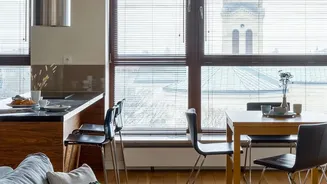
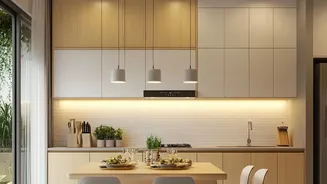
One of the most surprising benefits of using fewer, larger, multi-functional pieces is that it can actually make a room feel bigger. Interior designers often advise against pushing all furniture against the walls and recommend using appropriately scaled pieces. A single, well-proportioned sofa makes a stronger, calmer statement than a collection of small, mismatched seats. By not filling the room with lots of little things, you create a less cluttered visual field, which the brain interprets as more spacious. Furniture with exposed legs can also enhance this effect, as seeing the floor extend underneath the piece creates a feeling of openness. The goal is to achieve a balanced, restful environment, not just to cram as much as possible into a small footprint.
Smart Picks for the Modern Indian Home
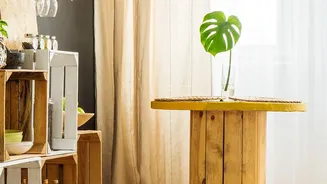
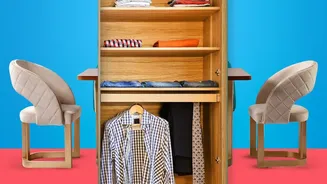
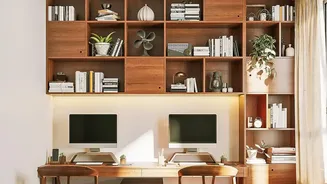
For Indian homes, where durability and practicality are key considerations, double-duty furniture is a natural fit. A sturdy wooden dining table that can extend to accommodate family gatherings is more practical than a tiny bistro set. A sleek, wall-mounted console that folds down to become a study desk is perfect for the new hybrid work culture. Nesting tables offer flexible surface space that can be tucked away when not in use. As designers focus on creating homes that are both beautiful and intensely livable, these intelligent pieces offer a solution that respects the constraints of a small space while elevating the experience of living within it.