

When you look up a route on your phone, you're likely using a global positioning system (GPS). But did you know India has its own? It’s called NavIC, and a crucial mission is underway to ensure its health and enhance its capabilities for all.
India’s Answer to GPS
NavIC, which
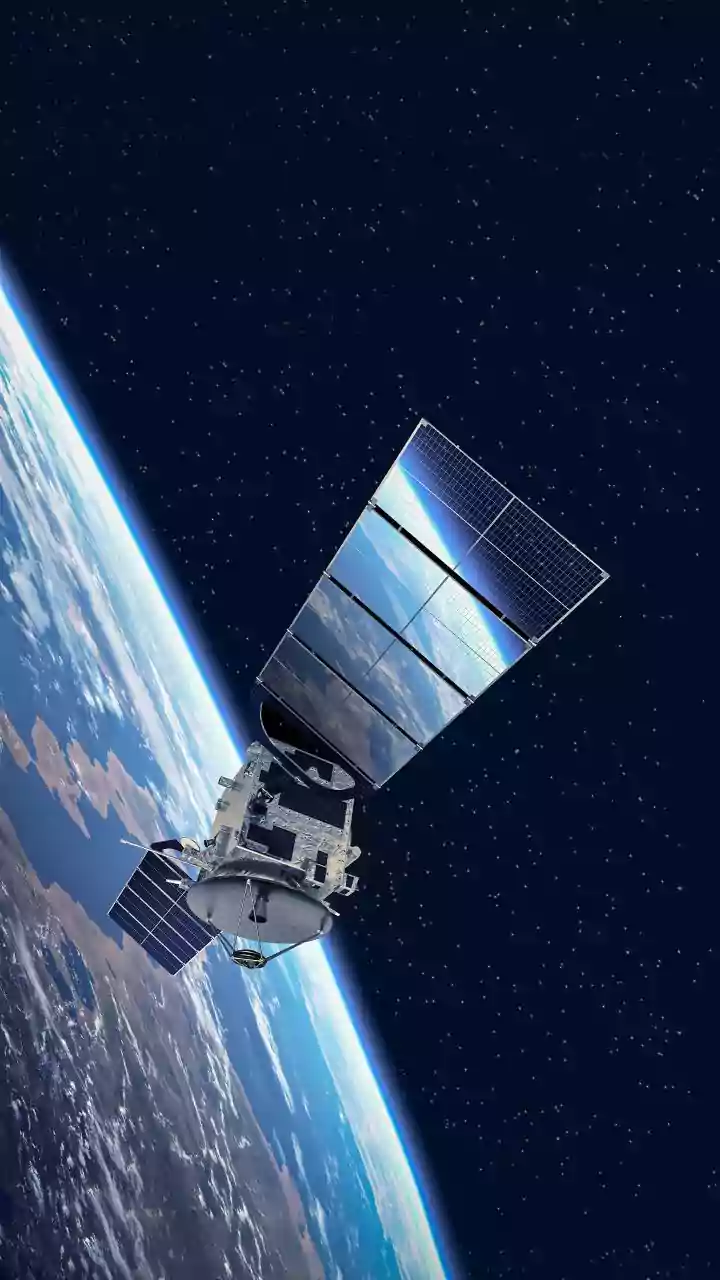
stands for Navigation with Indian Constellation, is ISRO's homegrown regional navigation satellite system. Its development was driven by a crucial need for strategic independence. During the 1999 Kargil War, India's access to foreign-operated GPS data was restricted, highlighting a major vulnerability. This experience pushed India to build a system it could rely on, one that is fully under its own control for both civilian and military needs. The system is designed to provide accurate positioning and timing services over India and a region extending about 1,500 kilometres beyond its borders. It offers a Standard Positioning Service (SPS) for all users and an encrypted Restricted Service (RS) for strategic applications like national security and defence operations.
Cracks in the Constellation
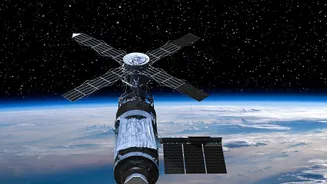
A satellite navigation system's accuracy depends on having a minimum of four healthy satellites visible to a receiver on the ground. This allows the receiver to calculate its latitude, longitude, altitude, and correct for any time errors. However, India's NavIC constellation has been facing significant challenges. Several of the first-generation satellites, known as the IRNSS series, suffered from premature failures of their imported rubidium atomic clocks. These clocks are the heart of a navigation satellite, providing the ultra-precise timekeeping needed to calculate location. A tiny error of even a millionth of a second can throw a position off by hundreds of metres. These clock failures, combined with some satellites simply aging past their 10-year operational life, meant the number of fully functional NavIC satellites dropped below the critical minimum of four. This has been described as a 'gap' in the system, degrading its ability to provide standalone navigation.
Enter NVS-03: A Timely Upgrade
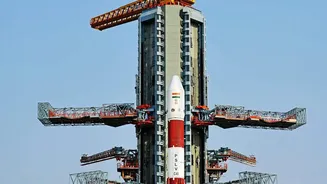
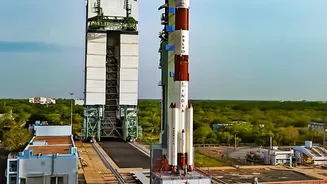
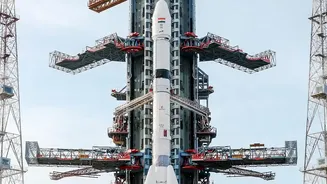
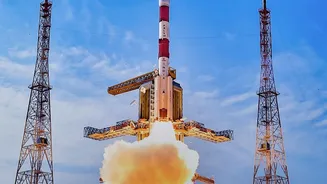
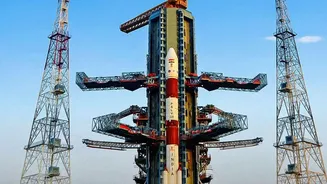
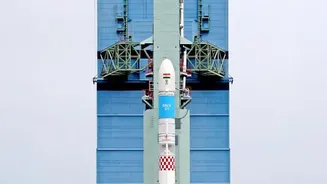
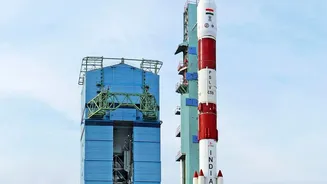
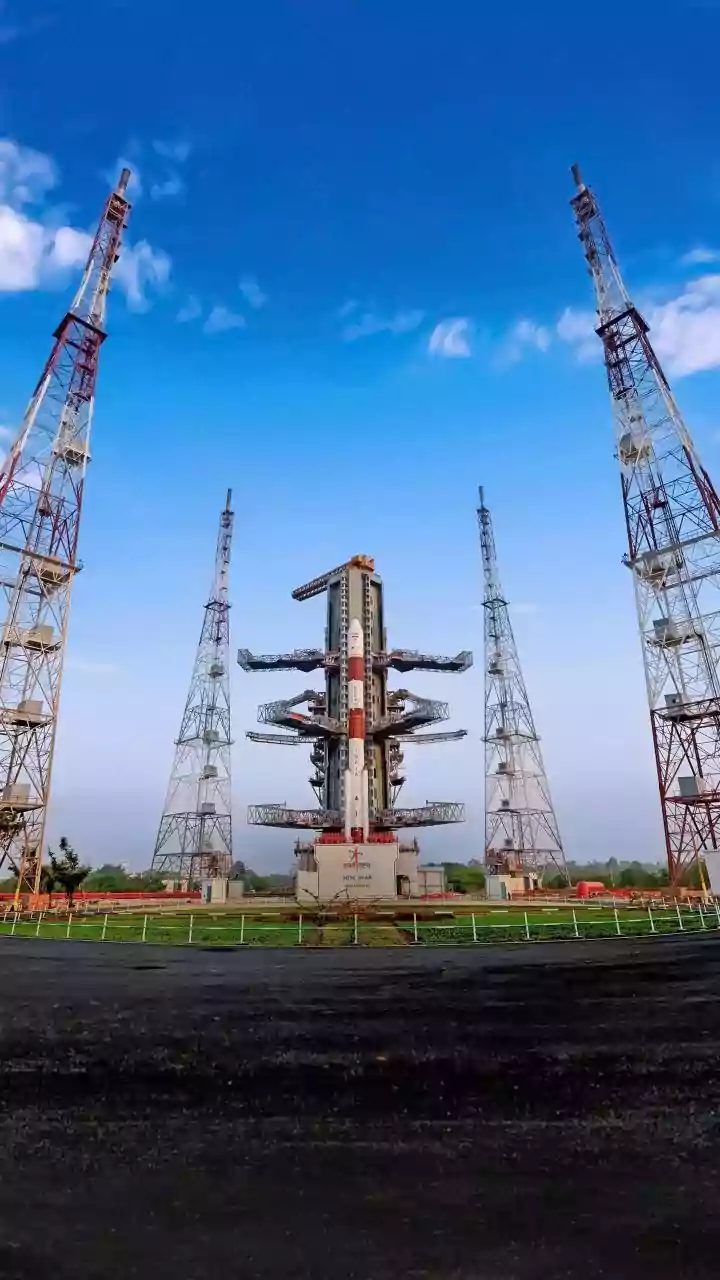
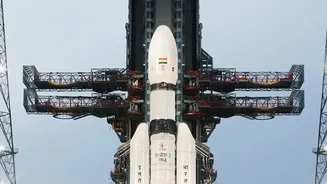
To address these gaps, ISRO is deploying a new generation of satellites, the NVS series. These are designed not just to replace the aging ones but to significantly augment the system. Following the successful launch of NVS-01 and a setback with NVS-02 which failed to reach its orbit, the recent launch of NVS-03 on October 30, 2026, was a critical step. This mission restored the NavIC constellation to the minimum requirement of four operational satellites, reviving its standalone positioning service. The NVS-03 satellite, weighing around 2,250 kg, has a longer planned mission life of 12 years, surpassing the 10-year lifespan of its predecessors. Critically, it carries both an indigenously developed rubidium atomic clock and procured ones, a major step towards self-reliance in this vital technology.
Broader Signals for a Wider Reach
One of the most significant upgrades in the NVS series, including NVS-03, is the introduction of a new L1 frequency band for civilian signals. This is the same band widely used by global systems like GPS, and its inclusion is a game changer. It makes NavIC interoperable with standard civilian GPS chipsets, meaning it can be more easily integrated into consumer devices like smartphones and vehicle navigation systems without major hardware redesigns. This move is expected to dramatically increase the civilian adoption of NavIC, which has been a challenge until now. By making NavIC more accessible, ISRO aims to solidify its position in the mass market and encourage innovation in location based services across India.
Why Self Reliance in the Sky Matters
A robust and independent NavIC is more than a technological achievement; it's a pillar of India's strategic autonomy. For the military, it ensures secure and uninterrupted access to navigation for troop movements, missile guidance, and naval operations, free from the risk of foreign controlled systems being denied or degraded during a conflict. For civilians, it underpins a vast array of critical infrastructure. Emergency services can respond faster during natural disasters, transport and logistics networks become more efficient, and even financial systems that rely on precise timing for transactions gain a layer of resilience. The NVS -03 launch and the continued strengthening of NavIC are crucial for ensuring these services remain reliable for a developing India.