





The Post-Run Reality
You’ve just crushed a long run, and while the endorphin high is real, so is the impending muscle soreness. This feeling, known as Delayed Onset Muscle Soreness (DOMS), typically peaks 24 to 72 hours after strenuous exercise. It's caused by microscopic
tears in your muscle fibres—a necessary part of the process that allows your body to repair and rebuild them stronger. The goal of any recovery strategy is to manage the resulting inflammation and discomfort, allowing you to get back to training without excessive downtime. For decades, elite athletes have sworn by one particularly chilling method: the ice bath.
The Cold, Hard Truth About Ice Baths
The logic behind an ice bath, or cold water immersion, is straightforward. Plunging into icy water causes your blood vessels to constrict, a process called vasoconstriction. This helps reduce swelling, inflammation, and the nerve signalling that causes pain, providing immediate relief for sore muscles. However, the headline-grabbing benefits come with significant risks, especially with prolonged exposure. Staying in an ice bath for too long can lead to nerve damage, skin issues, and even hypothermia if not done correctly. Furthermore, some research suggests that the intense cold, while blunting pain, might also blunt the very inflammatory response your muscles need to adapt and grow stronger over time. It’s an effective but blunt tool that carries a risk of overdoing it.
The Power of the Pump
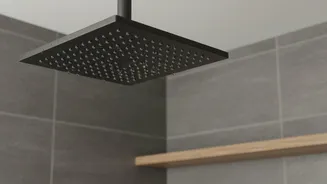
This is where contrast showers, a form of contrast water therapy, offer a more nuanced solution. The method involves alternating between hot and cold water in your shower. The hot water causes vasodilation, widening your blood vessels and increasing blood flow. The subsequent switch to cold water causes vasoconstriction, narrowing them. Repeating this cycle creates a “pumping” action within your circulatory system. This vascular pump is thought to be more effective at flushing out metabolic waste products, like lactate, from your tissues and delivering fresh, oxygenated blood to aid in repair. It actively moves fluid instead of just clamping down on inflammation.
A Safer, More Accessible Recovery
The key advantage of contrast showers is safety and accessibility. It avoids the intense, systemic shock of a prolonged ice bath. The periods of cold are brief and balanced by the warmth, reducing the risks of hypothermia or nerve damage. This makes it a much safer practice to incorporate into a regular routine without strict supervision. For many runners, the psychological barrier to a freezing bath is also significant; a contrast shower is a far more approachable habit. While ice baths are excellent at reducing immediate pain, the pumping action of contrast therapy may offer a more holistic recovery benefit by actively aiding the body's natural clearing and healing processes without completely shutting them down.
Your Contrast Shower Blueprint
Ready to try it? The process is simple and can be adapted to your tolerance. After your post-run cooldown and stretch, hop in the shower. 1. Start with your normal warm shower temperature for about three minutes to get your muscles relaxed and blood flowing. 2. Switch the water to as cold as you can comfortably tolerate for about one minute. Focus on directing the spray to your legs and glutes. 3. Switch back to hot water for another one to three minutes. 4. Alternate back to cold for one minute. Repeat this cycle three to five times, always making sure to end on a cold cycle to maximize the reduction in inflammation before you get out. Listen to your body and start with a less dramatic temperature difference if you're new to the practice.