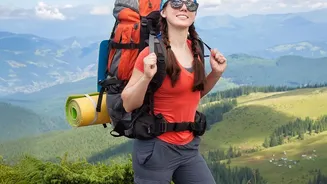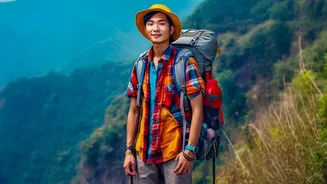


Clothing: Ditch Cotton, Embrace Layers
The golden rule for monsoon trekking is to avoid cotton entirely. Cotton absorbs moisture, gets heavy, and takes a long time to dry, which can lead to chafing and feeling cold. Instead, opt for synthetic, quick-drying fabrics like polyester or nylon.
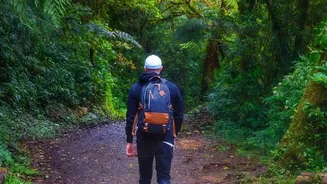
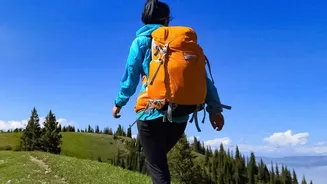
Pack two pairs of trekking pants and two to three quick-dry t-shirts for a short trek. Full-sleeved shirts and full-length pants are preferable to protect against insect bites and scratches. A fleece jacket or a light wool sweater serves as a crucial mid-layer for warmth, as temperatures can drop, especially after a downpour. The most critical item is a reliable, lightweight waterproof and breathable rain jacket, preferably with a hood that offers good coverage without obstructing your vision.
Waterproofing: Your First Line of Defence
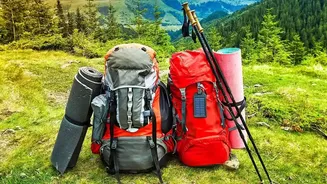
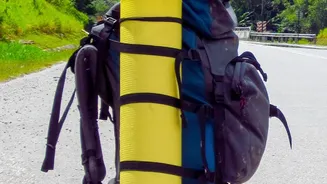
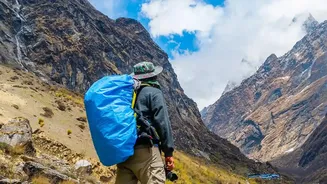
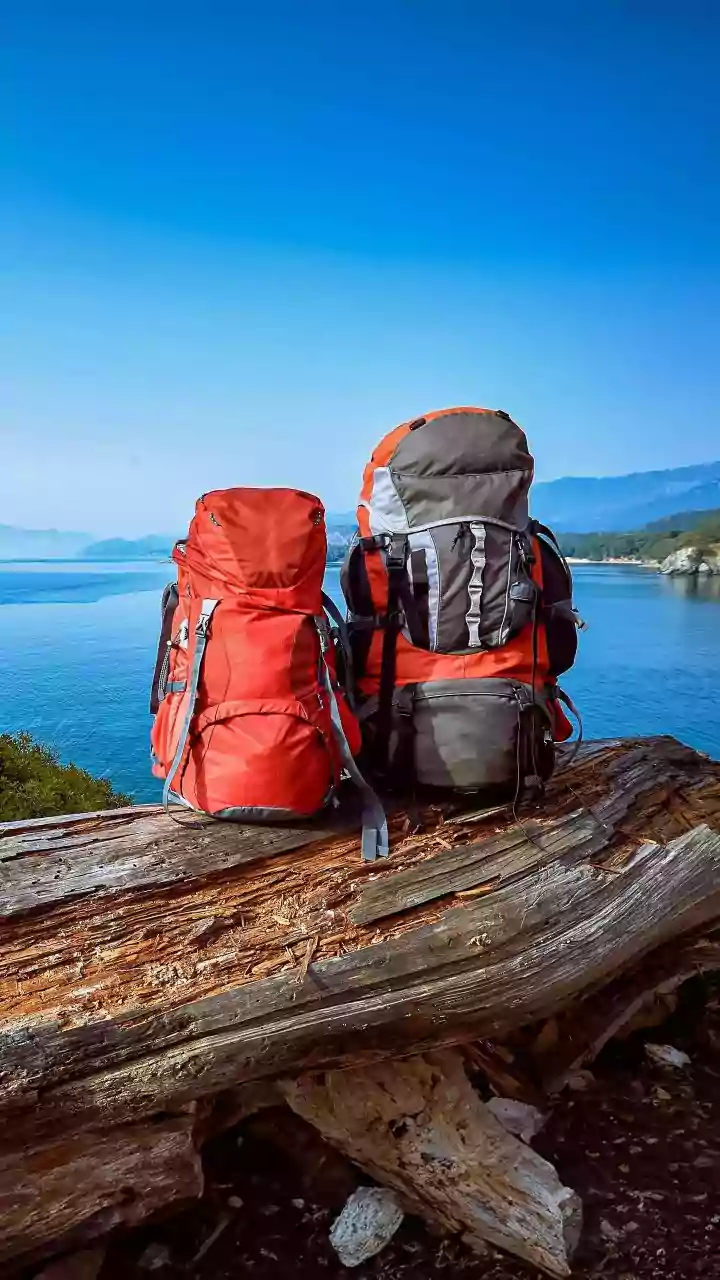
Staying dry is a multi-step process. Start with a good quality backpack, but remember that most are water-resistant, not fully waterproof. Therefore, a sturdy rain cover for your backpack is non-negotiable. For an extra layer of protection, line the inside of your backpack with a large plastic bag or a dedicated pack liner. Use smaller waterproof dry bags or ziplock bags to compartmentalise and protect critical items like electronics, a dry set of clothes, and your first-aid kit. This internal waterproofing ensures that even if your main pack gets damp, your essentials remain completely dry.
Footwear: Grip, and Protection
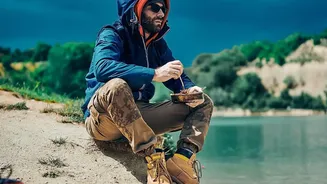
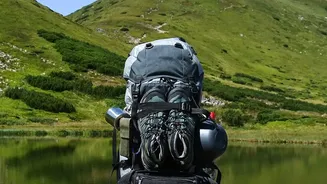
Your choice of footwear can make or break a monsoon trek. The trails will be muddy, slippery, and uneven. Look for trekking shoes with high ankle support and deep, aggressive lugs on the sole for excellent grip. While waterproof shoes might seem like the obvious choice, many experienced trekkers prefer water-resistant, quick-drying shoes that can drain water effectively once it gets in. This prevents the shoe from becoming a mini-bucket for your feet. Pair your shoes with waterproof or synthetic socks, as they keep your feet warmer even when wet and help prevent blisters. It's also wise to pack leech-proof socks if your trail runs through dense forests, particularly in the Western Ghats. Don't forget a pair of lightweight sandals or floaters for the campsite to give your feet a break from the heavy shoes.
Essential Gear and Safety Items
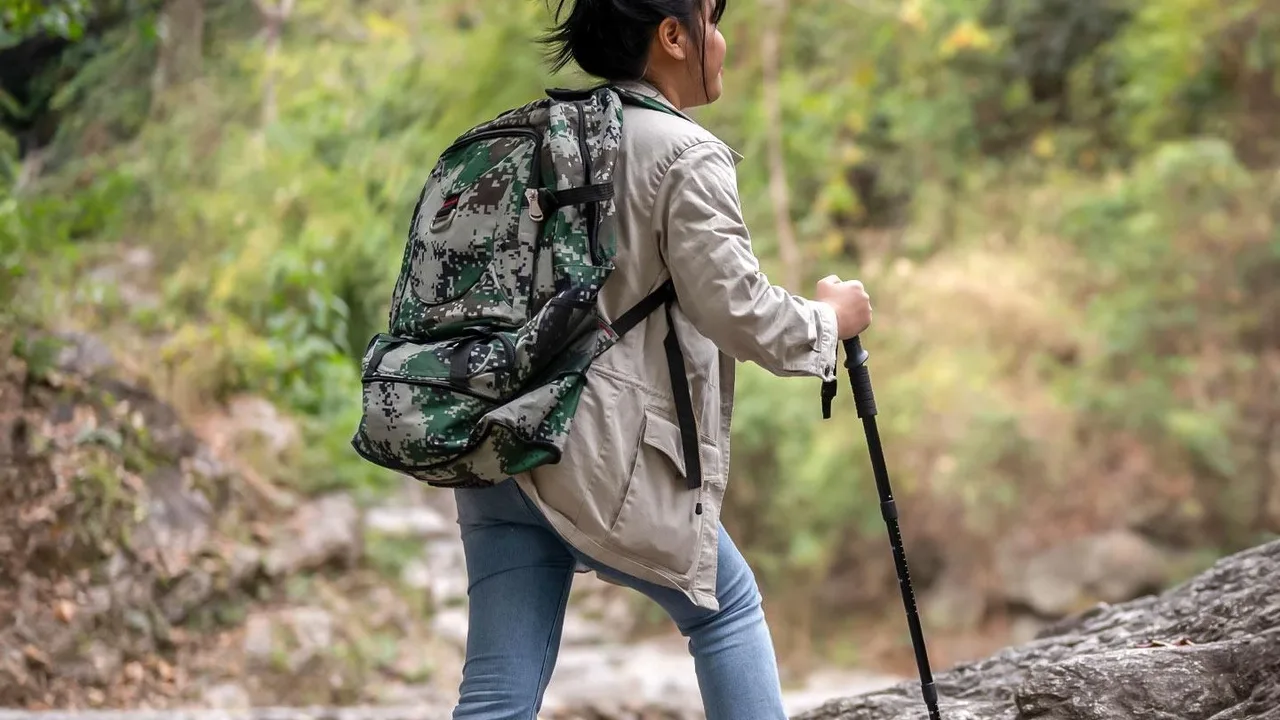
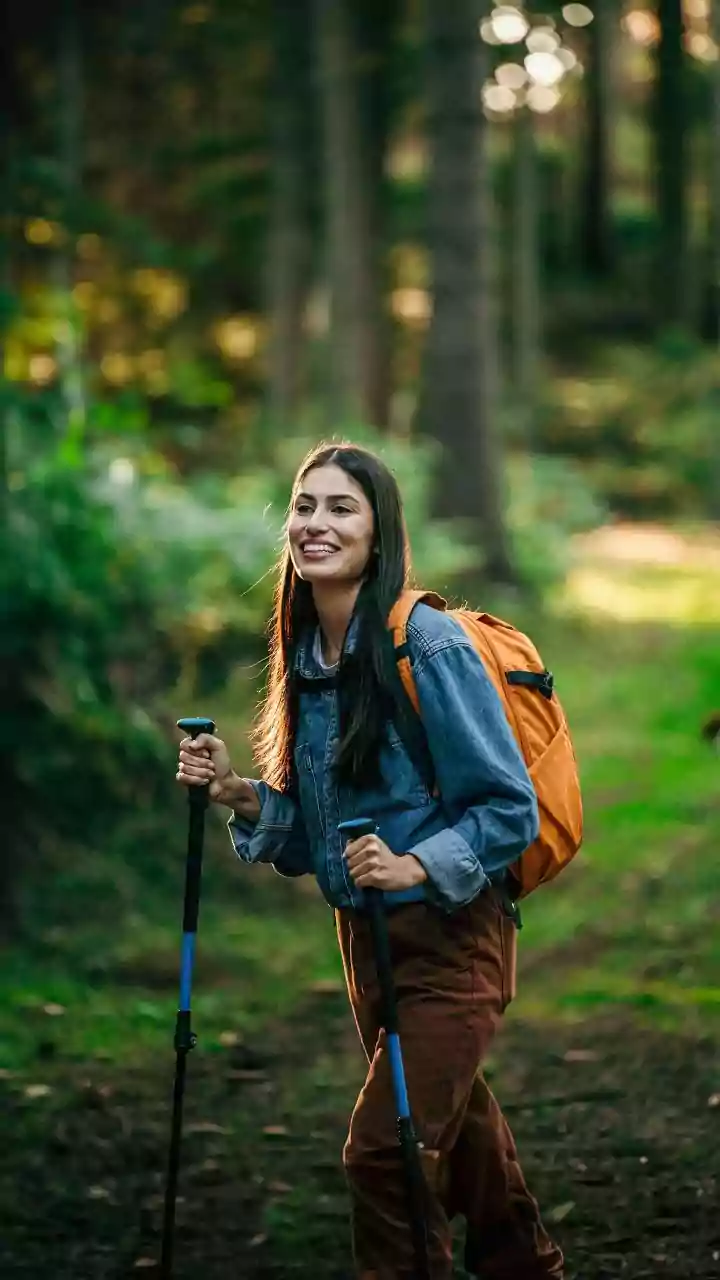
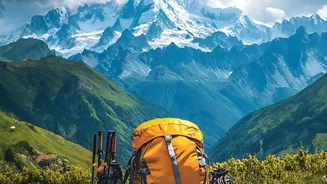
Trekking poles are highly recommended; they act like an extra pair of limbs, providing stability on slippery descents and reducing strain on your knees. A headlamp with extra batteries is crucial, as monsoon cloud cover can cause visibility to drop dramatically in the afternoons. A basic first-aid kit is a must. It should contain essentials like antiseptic wipes, bandages, blister tape (moleskin), pain relief medication, and any personal medicines. Also include salt or a sanitiser to deal with leeches, and a good insect repellent. A quick-dry towel is far more practical than a regular cotton one.
Food, Water, and Personal Items
While your main meals might be arranged, carrying high-energy snacks is essential to keep you going between meals. Pack items like energy bars, nuts, dried fruits, and chocolates for a quick fuel boost on the trail. Carry at least one water bottle or a hydration bladder. Even though it's not hot, staying hydrated is important. Always check if the water from natural sources is potable or carry a portable filter or purification tablets. Pack a small tube of sunscreen, as UV rays can be strong at altitude even on cloudy days, along with a cap to keep rain off your face. Lastly, carry your personal identification in a waterproof bag.