





Understanding the Tradition
Karkidakam, the last month in the Malayalam calendar (roughly mid-July to mid-August), is a time of heavy monsoon rains in Kerala. Ayurveda considers this a period when digestive strength and overall immunity are naturally lower. To counteract this, families
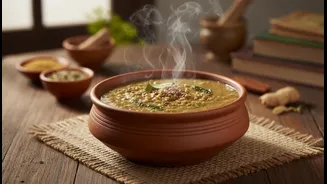
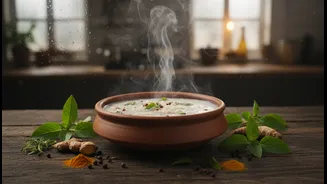
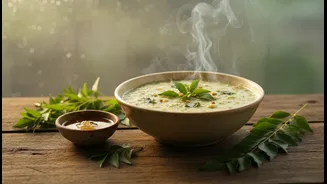
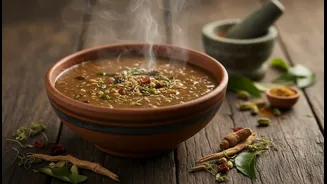
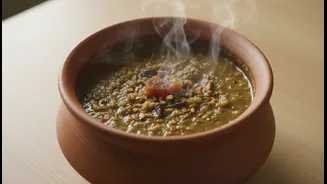
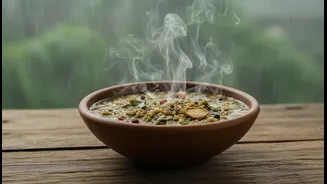
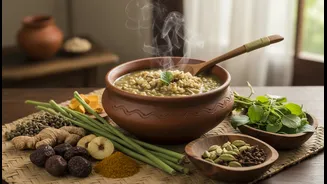
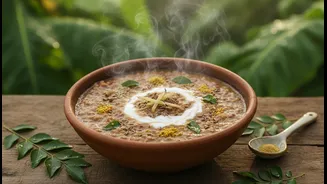
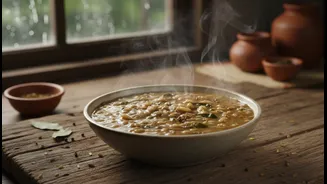
have traditionally prepared Karkidaka Kanji, also known as Oushadha Kanji or medicinal porridge. It's a carefully formulated gruel, typically made with Njavara rice, coconut milk, and a blend of specific herbs and spices like ginger, cumin, and fenugreek. The purpose is to support digestion, boost immunity, and provide nourishment when the body is considered most vulnerable. It is a core part of Karkidaka Chikitsa, the traditional Ayurvedic monsoon wellness regimen.
The Rise of Online Claims and Kits
Once a tradition passed down through households, Karkidaka Kanji has become a seasonal wellness trend. Social media feeds and WhatsApp groups are now flooded with everything from quick recipes and video tutorials to grand health promises and instant kanji kits. While this has made the tradition more accessible, it has also created a breeding ground for misinformation. Commercial interests often overshadow authentic practices, making it difficult to distinguish between genuine Ayurvedic wisdom and clever marketing. The challenge for consumers is to embrace the spirit of the tradition without falling for exaggerated claims or substandard products.
Verify the Source
Before you believe a claim or hit the share button, look at who is making it. Is the information coming from a qualified BAMS or MD (Ay) Ayurvedic doctor, or is it from a food blogger, a wellness influencer, or a company selling a product? While a family recipe shared with love is one thing, medical advice from an unverified source is another. Qualified practitioners will usually provide context and won't promise miracle cures. Be wary of accounts that use sensational language or simply list benefits without explaining the 'how' and 'why' from an Ayurvedic perspective.
Scrutinise the Ingredients
The efficacy of Karkidaka Kanji lies in its specific combination of ingredients. Traditional preparations often use a mix of herbs known as Dashamoola (a group of ten roots) and Dashapushpam (ten sacred flowers). When you see a recipe or a pre-packaged kit, check the ingredients list. Does it contain authentic components like Njavara rice (not just any red rice), and specified herbs? Be skeptical of products with vague terms like "special herbal mix" or "secret ingredients." True Ayurvedic preparations value transparency. If a product claims to be traditional, its ingredients should align with classical formulations.
Beware of 'Miracle Cure' Language
Karkidaka Kanji is a supportive wellness food, not a magic bullet. Its purpose is to aid digestion, boost immunity, and help the body through the challenging monsoon season. If you see claims that the kanji can cure chronic diseases, reverse serious conditions, or lead to dramatic weight loss, treat them as a major red flag. Ayurveda is a nuanced medical system that focuses on long-term balance, not quick fixes. Claims that sound too good to be true usually are. This kind of sensationalism is often a tactic to sell products rather than to share legitimate health information.
Consult a Professional
The most reliable way to approach Karkidaka Kanji is to do so with professional guidance. Self-medication, even with herbal preparations, can have side effects if not done correctly. An Ayurvedic doctor can assess your individual constitution (Prakriti) and any imbalances (Vikriti) to recommend a version of the kanji that is truly beneficial for you. This is especially important if you have pre-existing health conditions, are pregnant, or are taking other medications. A professional consultation elevates the practice from a generic trend to a personalized wellness ritual.