


Choose Your Footwear Wisely
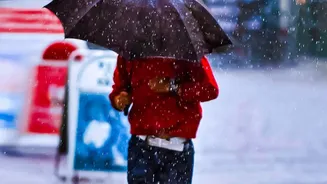
The first line of defence against monsoon foot problems is your choice of shoes. Leather and canvas are best avoided as they absorb water, take a long time to dry, and can become a breeding ground for bacteria. Instead, opt for footwear made from waterproof
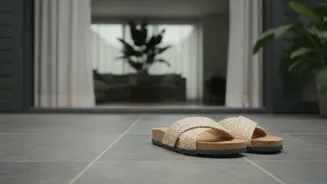
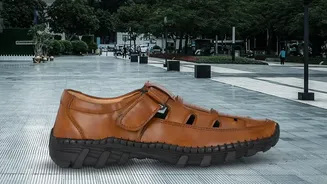
or water-resistant materials like rubber, PVC, or Crocs-style clogs. These materials don't soak up water and are easy to clean. Open-toed sandals and flip-flops can also be a good choice as they allow water to drain away and let your feet breathe. However, they do expose your feet to dirty water, making diligent cleaning even more critical. Whatever you choose, ensure it has a good anti-slip sole for a firm grip on wet, slippery surfaces.
A Daily Foot Care Ritual is Non-Negotiable
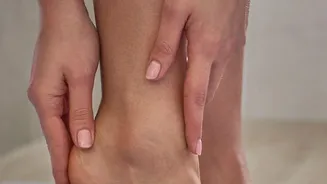
Good hygiene is crucial during the rainy season. The moment you get home, the first thing you should do is remove your wet shoes and socks. Wash your feet thoroughly with mild soap and warm water, paying special attention to the spaces between your toes where moisture and fungi love to hide. After washing, drying your feet completely is perhaps the most important step. Use a clean, dedicated towel and pat the skin dry, especially between the toes. To absorb any lingering moisture and prevent fungal growth, you can apply an antifungal talcum powder. This simple daily routine can significantly reduce your risk of developing common monsoon-related foot infections.
Preventing Common Monsoon Foot Ailments
The warm, humid conditions of the monsoon are a perfect breeding ground for fungi, leading to common infections like Athlete's Foot. Symptoms often include itching, burning sensations, and peeling or cracked skin, typically starting between the toes. Another common issue is smelly feet, caused by bacteria multiplying in damp footwear. The key to prevention is keeping your feet as dry as possible. Avoid wearing tight shoes that trap moisture and don't allow your skin to breathe. If you must wear socks, choose cotton or moisture-wicking fabrics and change them as soon as they get damp. Regularly trimming your toenails straight across also helps, as long nails can accumulate dirt and bacteria.
The Art of Drying Your Shoes
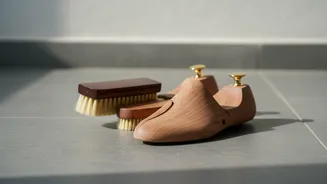
Never wear the same pair of damp shoes two days in a row. Alternating between at least two pairs of monsoon-friendly footwear gives each pair ample time to dry out completely. The most effective way to dry wet shoes is to first remove any insoles and laces, which can be dried separately. Then, stuff the shoes with crumpled newspaper. The paper will absorb a significant amount of moisture from the inside. Change the wet newspaper every few hours for the best results. To speed up the process, you can place the stuffed shoes in a well-ventilated area or in front of a fan. Avoid using direct high heat like a heater or hairdryer, as this can damage the shoe's material and glue. Once dry, sprinkling a little baking soda inside can help absorb any lingering odours.
Soothing Home Remedies
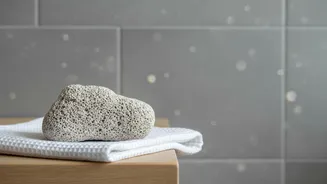
After a long day of commuting in the rain, your feet deserve some pampering. A simple foot soak can be incredibly soothing and beneficial. Soaking your feet for 10-15 minutes in warm water with Epsom salt or a few drops of an essential oil like tea tree oil can help relax tired muscles and provides antifungal benefits. Tea tree oil is known for its natural germicidal properties. Another simple remedy is a soak in a solution of equal parts vinegar and water, which creates an acidic environment that can inhibit fungal growth. For a weekly routine, you can gently exfoliate your feet with a pumice stone to remove dead skin cells, which can otherwise trap bacteria.