






Your Vehicle: The First Priority
Before embarking on a rainy-season adventure, a thorough vehicle check is non-negotiable. Your car’s tyres are its only contact with the road, making them critical for safety. [22] Ensure the tread depth is sufficient—at least 2mm is recommended—to channel
water effectively and prevent aquaplaning, a dangerous situation where your car surfs on a layer of water. [8, 10] Worn tyres drastically increase this risk. [22] Also, check the tyre pressure, including the spare, as incorrect pressure affects grip and braking. [22] Next, inspect your brakes. Stopping distances are longer on wet roads, so your braking system must be in top condition. [6, 10, 16] Listen for any squeaking or grinding noises, and ensure the brake fluid is at the correct level and not contaminated. [10, 22] Finally, visibility is paramount. Check that all your lights—headlights, tail lights, brake lights, and indicators—are working correctly. [7, 22] Replace worn-out wiper blades that leave streaks or make noise, and top up your windshield washer fluid. [4, 7, 22] A clear view can make all the difference in a downpour. [9]
Pack a Monsoon-Ready Kit
Beyond your usual luggage, a monsoon-specific kit is essential for comfort and safety. Pack lightweight, quick-drying clothes made from synthetic fabrics instead of heavy materials like denim, which stay wet for a long time. [11, 12] A reliable waterproof jacket or poncho is a must-have. [11, 12] For footwear, choose waterproof sandals or anti-skid shoes with good grip; soggy trainers are a recipe for discomfort. [11, 12] Protect your electronics and important documents from water damage by using plastic zip-lock bags or waterproof dry bags. [11] It's also wise to pack an emergency kit containing a first-aid box with basic medicines for cold, fever, and stomach issues, as well as antiseptic wipes and plasters. [11, 24] Add a powerful torch, a fully charged power bank, and some non-perishable snacks and water, in case you get stuck in traffic or face unexpected delays. [6, 24]
On the Road: Drive Defensively
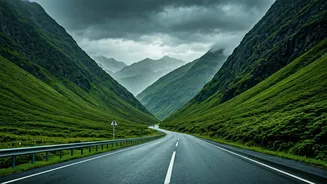
Driving in the monsoon requires a shift in technique. The most important rule is to slow down. Reducing your speed gives you more time to react to hazards and helps prevent skidding on slippery surfaces. [4] Maintain a greater distance from the vehicle in front of you, as braking distances can be two to three times longer on wet roads. [9, 10, 16] Visibility is often poor, so turn on your low-beam headlights to ensure other drivers can see you. [4, 8, 9] Avoid using high beams, which reflect off raindrops and can impair vision for you and oncoming traffic. [8, 9] Be extremely cautious of waterlogged roads. If you can't gauge the depth of a puddle, it’s best to avoid it. Driving through deep water can cause your car to stall, and restarting an engine that has taken in water can lead to severe damage. [8] Also, be mindful that road markings like zebra crossings become very slippery when wet. [8]
Choosing Your Route and Destination
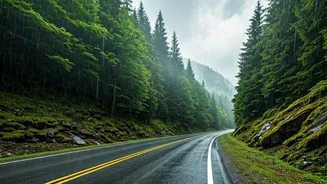
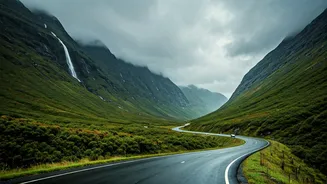
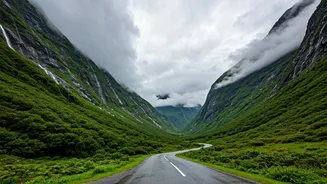
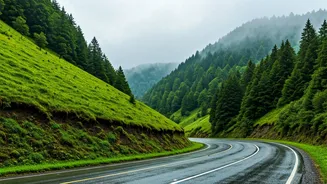
While the journey is the highlight, a well-chosen destination enhances the experience. Some routes are iconic during the monsoon for their scenic beauty. The drive from Mumbai to Lonavala, for instance, is a classic, with the Western Ghats transforming into a green paradise. [5, 15] Similarly, the route from Bangalore to Coorg, known as the 'Scotland of India', offers misty coffee plantations and lush forests. [2, 3, 17] The East Coast Road from Chennai to Pondicherry provides dramatic coastal views with crashing waves. [2, 5] However, it's crucial to be aware of potential risks. Hilly areas like those on the way to Manali or in parts of Munnar can be prone to landslides, especially after heavy rain. [2, 15] Always check local weather forecasts and road advisories before and during your trip. Stick to main highways where possible and avoid relying on GPS shortcuts through unknown, smaller roads, which may be in poor condition. [15] Driving during daylight hours is also recommended as visibility drops significantly after dark. [2, 15]