
The Science of Surface Area
The most common mistake when reducing a recipe is using the original pan size. It seems harmless, but it dramatically changes the physics of your dish. When you put half the batter into a pan meant for a full batch, you're spreading it thin. This drastically
increases the surface area relative to the volume. More surface area means faster evaporation. For a sauce, this might mean it reduces too quickly and scorches. For baked goods like cakes or brownies, the moisture escapes too fast, leading to a dry, overcooked product instead of a moist, tender one. The food simply cooks much faster than the original recipe intended because it's a thinner layer.
How to Choose the Right Pan
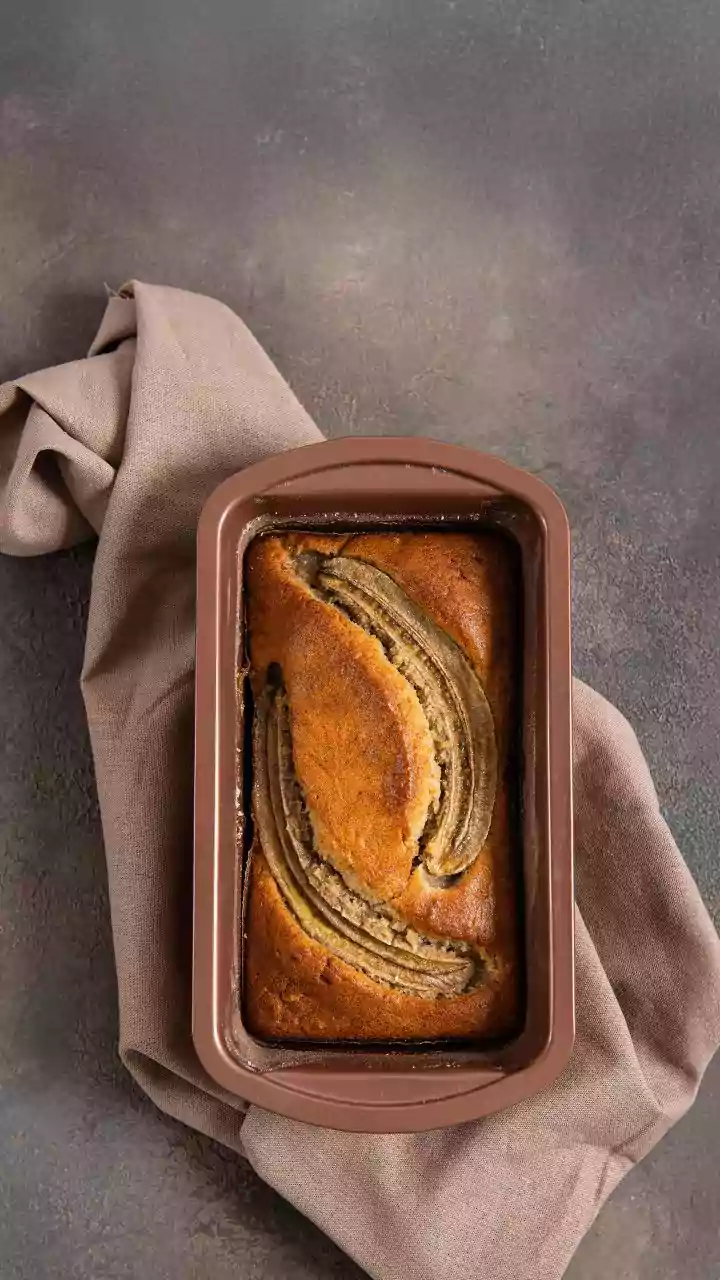
To get it right, you need to match the pan to the new volume of your recipe. The goal is to maintain the same depth of food as the original recipe intended. For example, if a recipe calls for a 9x13 inch pan (which holds about 14-16 cups of batter), halving it means you need a pan that holds 7-8 cups. An 8x8 inch square pan or a 9-inch round pan is a perfect substitute. An easy way to check a pan's volume if you're unsure is to fill it with water, one cup at a time, to see how much it holds. This simple check ensures your batter won't be too shallow or too deep, the latter of which can cause the opposite problem: burnt edges and a raw center.
Adjusting Cooking Time and Temperature
Even with the right pan, you can't just set the original timer and walk away. A smaller volume of food will almost always cook faster. There's no single magic formula, so you need to rely on your senses. A good rule of thumb for baked goods is to start checking for doneness at about half to two-thirds of the original baking time. If a cake normally takes 40 minutes, start checking it around the 25-minute mark. You can always bake something for longer, but you can never un-bake it. For most recipes, the oven temperature should remain the same. The only exception is if you're using a glass or ceramic pan instead of metal, in which case you should lower the oven temperature by about 25°F, as these materials retain heat differently.
Baking vs. Stovetop Considerations
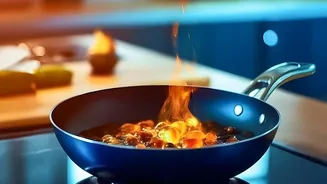
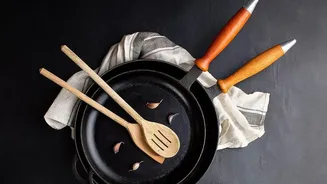
The rules change slightly depending on what you're making. For baking, depth is everything. A brownie recipe needs a certain depth to stay fudgy. Using too large a pan results in a thin, dry brownie that's more like a cracker. For stovetop cooking, like making a sauce, the main concern is controlling evaporation. Using a wide, shallow pan for a small amount of liquid will cause it to reduce and burn in a flash. For reductions, a taller, narrower pot is often better because it slows evaporation and makes it easier to judge how much the liquid has decreased. Overcrowding a small skillet when searing can also be a problem; instead of browning, your food will steam.
When in Doubt, Do the Math
If you're stuck without a perfectly-sized alternative pan, you can use a bit of math to find a conversion factor. Calculate the area of the pan the recipe calls for (length x width for rectangles, or πr² for circles) and divide it by the area of the pan you want to use. For example, a 9x13 inch pan has an area of 117 square inches. A 9x9 inch pan has an area of 81 square inches. You would need to multiply your ingredients by a factor of roughly 0.7 (81 divided by 117) to scale it down properly. This method takes a moment but can save you from a disappointing result.