


A Lifeline for Purvanchal
The New Delhi-Gorakhpur corridor is one of the most significant and high-demand routes in the Indian Railways network. It connects the national capital with the heart of Eastern Uttar Pradesh, or Purvanchal, serving a dense population that relies heavily
on trains for work, education, and family visits. Gorakhpur Junction itself is a major hub, serving as the headquarters of the North Eastern Railway and a gateway to important cultural and religious sites like the Gorakhnath Temple and Buddhist pilgrimage destinations such as Kushinagar. The route is indispensable for the seasonal migration of labour, students moving to and from Delhi's educational institutions, and countless families staying connected across hundreds of kilometres. Its importance is reflected in the sheer volume of daily commuters and the number of services dedicated to this line.
The Strain of High Demand
Such immense popularity comes with significant challenges. Many of India's key railway corridors, including the one linking Delhi to Gorakhpur, are saturated, operating at or even beyond their intended capacity. This congestion leads to a cascade of problems familiar to many passengers: frequent delays, reduced average speeds, and a constant struggle to get confirmed tickets. The ageing infrastructure on parts of the network adds another layer of complexity, requiring constant maintenance and upgrades that can cause temporary disruptions. For instance, pre-non-interlocking and non-interlocking work in the Gorakhpur section can lead to cancellations and diversions, affecting thousands of travel plans. These issues underscore the urgent need for a strategic approach to manage and expand the network.
The Blueprint for a Better Journey
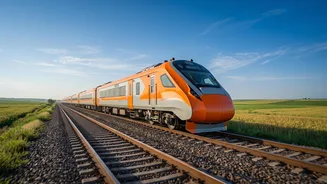
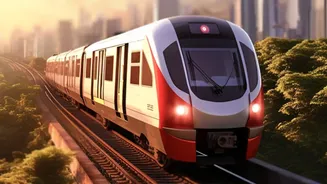
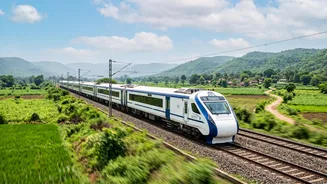
This is where railway planning becomes critical. It is a multi-faceted process that goes far beyond simply adding more trains. Key initiatives involve track doubling or multi-tracking, which allows more trains to run simultaneously without getting delayed. Electrification of routes reduces reliance on diesel, cuts operational costs, and is more environmentally friendly. Modern signalling systems, like the indigenously developed 'Kavach' automatic train protection system, are crucial for enhancing safety and increasing line capacity by allowing trains to run closer together securely. The introduction of new train sets, such as the Vande Bharat and Amrit Bharat Express, is another pillar of modern planning. These trains offer faster, more comfortable, and more reliable travel options, directly addressing passenger demands on high-density routes like Delhi-Gorakhpur.
More Than Just Speed and Comfort
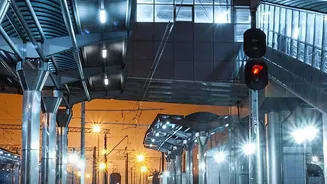
Effective rail planning delivers benefits that extend far beyond the tracks. By improving connectivity, it acts as a powerful catalyst for regional economic growth. Easier and faster movement of people encourages local trade, boosts tourism, and creates new business opportunities along the corridor. For a region like Purvanchal, better links to the national capital can attract investment and create jobs, potentially reducing the economic pressure that drives migration. Modern station redevelopment projects, like the one underway at Gorakhpur, aim to transform stations into multi-modal transport hubs with airport-like amenities, further improving the passenger experience and stimulating the local economy. These upgraded stations are designed to handle future passenger growth, integrating with other forms of transport like metro and bus services.
The Future of the Corridor
The New Delhi-Gorakhpur line is a living example of Indian Railways' broader vision. The recent regularisation of a weekly Amrit Bharat Express on this route, which specifically caters to long-distance travel for the common person with non-AC coaches, shows a commitment to inclusive growth. This service, starting August 27, 2026, will provide a direct, budget-friendly option for many. Looking ahead, the National Rail Plan aims to build infrastructure to handle traffic demands projected for 2050. This involves creating new lines, dedicated freight corridors to separate goods and passenger traffic, and consistently upgrading existing networks. For the millions who depend on the Delhi-Gorakhpur connection, these long-term planning efforts promise a future of faster, safer, and more reliable journeys.