





The Philosophy of Fasting Foods
Fasting in India, or 'vrat', is more than just abstaining from food; it's a practice aimed at cleansing the body and calming the mind. The dietary rules are designed to support this process. Foods are chosen based on Ayurvedic principles, favouring 'sattvic'
items—those that are pure, light, and easy to digest. This is especially important during seasonal changes, like the ones marking Chaitra and Sharad Navratri, when our immunity can be lower and digestion weaker. The goal is to provide the body with enough energy to function without overloading the digestive system, allowing it to rest and rejuvenate.
The Energy-Boosting Grains
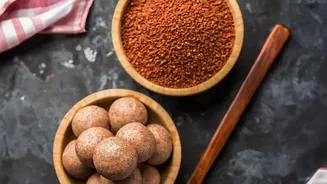
Since regular grains like wheat and rice are often avoided, a category of pseudo-grains steps in. Ingredients like Sabudana (tapioca pearls), Kuttu (buckwheat flour), Singhara (water chestnut flour), and Rajgira (amaranth flour) are staples. Sabudana, being almost pure starch, is a fantastic source of quick energy, which is crucial for combating fatigue during a fast. Kuttu and Rajgira are nutritional powerhouses; they are gluten-free, high in protein, and packed with essential minerals like magnesium and iron. Singhara atta is known for being cooling and easy on the stomach. These alternatives are not just fillers; they are nutrient-dense choices that keep you satiated and energised.
The Significance of Sendha Namak
One of the most significant swaps in a fasting kitchen is replacing regular table salt with Sendha Namak, or rock salt. According to Ayurveda, Sendha Namak is the purest form of salt, free from chemical processing and additives that table salt often contains. It's considered 'sattvic' and has a cooling effect on the body, unlike table salt which is believed to be heating. More importantly, Sendha Namak is loaded with minerals like potassium and magnesium. These minerals help maintain the body's electrolyte balance, preventing dehydration and muscle cramps, which can be common issues during fasting.
The Role of Vegetables, Fruits, and Dairy
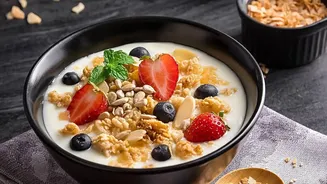
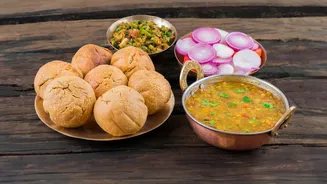
The fasting diet heavily relies on a colourful array of fruits and specific vegetables. Potatoes, sweet potatoes, pumpkin, and bottle gourd are popular choices. They provide carbohydrates for energy, fibre for digestion, and a host of essential vitamins. Fruits offer natural sugars for a quick energy lift and help with hydration. Dairy products like milk, yogurt (dahi), and paneer are also central to the fasting plate. They provide much-needed protein and healthy fats, ensuring a sense of fullness and sustained energy release. This combination of produce and dairy creates a surprisingly balanced and nourishing diet.
Nuts and Seeds: The Healthy Fats
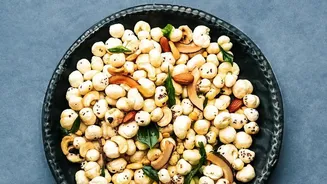
To round out the nutritional profile of fasting meals, nuts and seeds like almonds, walnuts, and makhana (fox nuts) are widely used. These are excellent sources of healthy fats, protein, and fibre. A handful of nuts can provide a sustained energy boost and prevent the energy crashes associated with high-carb meals. Makhana, in particular, is a fasting favourite. It's incredibly light, easy to digest, and rich in protein and antioxidants, making it an ideal snack to keep hunger at bay without feeling heavy.