






The New Travel Ritual
Not long ago, planning a trip across the city—whether for work, a social gathering, or an important appointment—involved a simple check of the time and maybe a glance at Google Maps for traffic. The weather was a passive character in this story, something
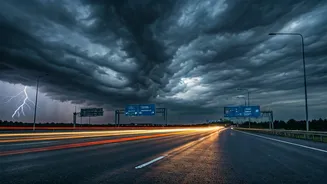
you reacted to by grabbing an umbrella on your way out. Today, that has been completely upended. For a growing number of urban Indians, the first step in planning any movement is a proactive check of weather alerts. Before booking a cab, before stepping out of the office, and even before confirming evening plans, a new ritual has taken hold: consulting the digital oracle for predictions of downpours, waterlogging, and thunderstorms. This isn't just about avoiding a soaking; it’s a sophisticated risk-management strategy for navigating cities that can grind to a halt under the strain of a sharp monsoon shower.
The Tech Behind the Decision
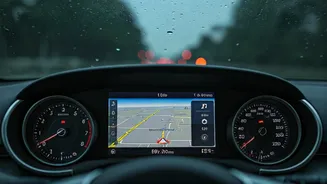
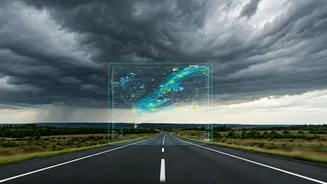
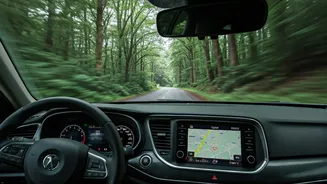
This behavioural shift is powered by a confluence of accessible technology. At the forefront are hyperlocal weather apps and integrated alerts within our smartphone operating systems. Government bodies like the India Meteorological Department (IMD) have enhanced their digital outreach with apps like ‘Mausam’ and ‘Damini’, providing specific, district-level warnings about lightning and intense rainfall. Alongside these are private players like Skymet and AccuWeather, which offer granular, minute-by-minute forecasts. But the ecosystem is richer than just weather apps. Real-time traffic data from Google Maps and Waze plays a crucial role. When a heavy rain alert is issued, users can immediately see its potential impact, as roads marked in red and orange signify traffic snarls caused by waterlogging. Ride-hailing apps themselves become a data source; a sudden surge in pricing or a lack of available cabs is a clear indicator that the rain has already started to disrupt transport networks, prompting many to cancel or postpone their journeys altogether.
More Than Just an Inconvenience
The implications of this pre-emptive planning go far beyond personal convenience. It is reshaping urban economies and work cultures. Employers are becoming more accustomed to employees citing a ‘red alert’ for rain as a valid reason to work from home, a flexibility hardened during the pandemic. Small businesses, particularly in food delivery and local logistics, must now factor weather-related disruptions into their daily operations, sometimes temporarily halting services for the safety of their riders. For commuters, the financial calculation has changed. The choice is no longer just between public transport and a cab. It’s between travelling now at a normal price, waiting an hour and paying a 3x surge price, or cancelling the trip and saving both money and the stress of being stranded. This data-driven decision-making turns every citizen into a personal logistics manager, constantly weighing risk, cost, and time.
A Data-Driven Reality
This reliance on alerts signals a deeper truth about our relationship with our urban environment. As cities grapple with ageing infrastructure unable to cope with increasingly erratic and intense weather patterns, citizens are turning to data for the resilience the system cannot yet provide. The alerts are a workaround, a tool to navigate the symptoms of a larger problem. However, this dependence also raises questions about data equity and accuracy. Access to a smartphone and a reliable internet connection becomes a prerequisite for safety and efficient travel. Furthermore, the accuracy of these alerts is paramount; a false alarm can cause unnecessary disruption, while a missed warning can have serious consequences. As this trend solidifies, the pressure on both government and private weather forecasters to provide precise, reliable, and timely information will only intensify.