





For many with asthma, the idea of using breathing exercises for relief is appealing. But what does the science say about their effectiveness? We explore the evidence behind popular techniques to see what role they can play in managing the condition.
Why Breathing Patterns Matter in Asthma
Asthma
is a chronic condition where the airways become inflamed and narrow, making it difficult to breathe. This can lead to wheezing, coughing, and shortness of breath. For some people, dysfunctional breathing patterns, such as breathing too quickly or using the chest muscles instead of the diaphragm, can make these symptoms worse. The theory behind many breathing exercises is that by retraining these patterns, a person can gain better control over their symptoms, reduce anxiety associated with breathlessness, and improve their overall quality of life. Many people with asthma are interested in non-pharmacological ways to supplement their prescribed medication, leading to a rise in the popularity of various breathing techniques.
Diaphragmatic and Papworth Methods
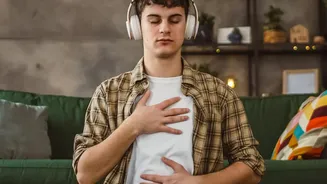
Diaphragmatic breathing, also known as 'belly breathing', is one of the most fundamental techniques. It focuses on strengthening the diaphragm, the large muscle at the base of the lungs, to encourage slower, deeper breaths. The goal is to make breathing more efficient and less strenuous. The Papworth method, developed in the 1960s, integrates diaphragmatic breathing with relaxation techniques and education. It teaches patients to breathe slowly and gently through the nose, tailoring their breathing pattern to their activity level. Research has shown that the Papworth method can significantly reduce respiratory symptoms and anxiety, leading to an improved quality of life. However, studies also note that while symptoms improve, these exercises typically do not change the underlying measures of lung function, like the amount of air a person can forcefully exhale.
The Buteyko Breathing Technique
The Buteyko method is based on the premise that many people with asthma chronically hyperventilate, or 'over-breathe'. This technique involves exercises designed to teach you how to breathe more slowly and shallowly, exclusively through your nose. The aim is to normalise the levels of carbon dioxide in the blood, which proponents believe helps to relax the airways. A number of studies and systematic reviews have looked into the Buteyko method. The evidence suggests it can be effective in reducing asthma symptoms and, notably, decreasing the need for reliever inhaler medication. However, similar to other breathing techniques, it doesn't appear to cause significant long-term improvements in core lung function measurements.
Yoga and Pranayama
Yogic breathing, or pranayama, involves various techniques for controlling the breath. These practices have been used for centuries and often combine controlled breathing with physical postures and meditation. For people with asthma, the focus is often on slow, controlled breathing which can promote relaxation and reduce stress, a common asthma trigger. Several studies have investigated the role of yoga in asthma management. The results are somewhat mixed, but many point towards benefits in improving quality of life and reducing symptoms. Some research has shown improvements in certain lung function measures, like peak expiratory flow rate, with sustained practice. However, there isn't enough consistent data to recommend it as a standard treatment on its own.
The Overall Verdict
So, what does the available evidence actually show? A major Cochrane review, which analyses evidence from multiple studies, concluded that breathing exercises can be a beneficial addition to standard asthma care. The most consistent finding across different techniques is an improvement in quality of life and a reduction in symptoms like hyperventilation. Some studies also show a decrease in the need for reliever medications. However, it's crucial to understand that these exercises are not a cure for asthma, nor are they a substitute for prescribed medication. They primarily help manage the manifestation of symptoms rather than changing the underlying inflammation in the airways. The consensus is that they are a safe, complementary therapy that can empower patients to take a more active role in managing their condition.