






The Science of a Perfect Dosa Batter
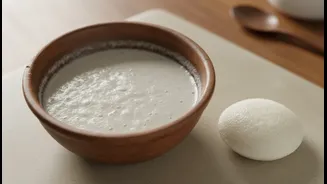
A great dosa—crisp, golden, and gently tangy—is born from a beautifully fermented batter. The process relies on a symphony of naturally occurring microorganisms. Wild yeasts and friendly bacteria, specifically lactic acid bacteria, are present on the
rice, urad dal, and even in the air. When you soak and grind these ingredients into a paste, you create the perfect playground for these microbes. They get to work consuming the starches and sugars in the batter, producing two key byproducts: carbon dioxide and lactic acid.. The carbon dioxide creates tiny gas bubbles that make the batter rise and give the cooked dosa its light, porous texture.. The lactic acid provides that characteristic, subtle sourness that defines a good dosa's flavor profile and also makes it more digestible..
The Monsoon Effect: Heat and Humidity in Overdrive
While fermentation is desirable, the monsoon season puts this delicate process into overdrive. The key culprits are increased ambient temperature and high humidity.. Microorganisms thrive in warm, moist conditions. An optimal temperature range for dosa batter fermentation is generally between 25–32°C.. During the monsoon, ambient temperatures often sit comfortably within this range, if not higher. This warmth significantly accelerates the activity of the yeast and bacteria.. What might take 10-12 hours in a cooler, drier climate can happen in as little as 6-8 hours during the monsoon.. If left for the usual overnight timeline, the batter doesn't just ferment; it over-ferments. The bacteria produce an excess of lactic acid, leading to an intensely sour, almost astringent taste that renders the batter unusable for classic dosas..
Signs of an Over-Fermented Batter
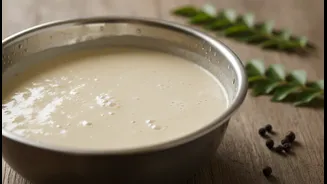
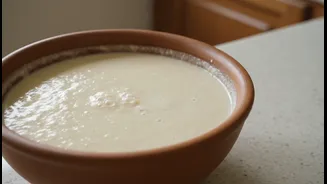
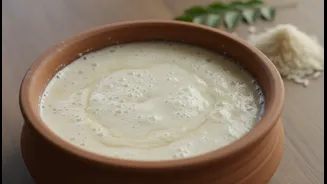
Before you even heat the tawa, your senses can tell you if the batter has crossed the line from tangy to too sour. The first sign is an overly sharp, vinegary smell, a far cry from the pleasant, yogurt-like aroma of a perfectly fermented batter.. Visually, you might see excessively large bubbles or even a complete separation of water from the solids.. When you stir it, the batter may feel thin and watery, having lost the thick, creamy consistency needed to spread evenly on the pan. A small taste test will confirm it: an unpleasantly sharp sourness that puckers your mouth. If you notice any mould or a pinkish or greyish tint, the batter is spoiled and must be discarded..
Tips for Perfect Monsoon Dosas
Controlling fermentation during the monsoon is about managing time and temperature. First, drastically reduce the fermentation time. Start checking your batter after 5-6 hours instead of leaving it overnight.. As soon as it has risen and has small, uniform bubbles, refrigerate it immediately to halt the fermentation process.. Using cool or room-temperature filtered water (not warm water) for grinding can also prevent the batter from getting a head start on fermentation from the heat of the grinder.. Some cooks suggest adding salt only after fermentation, as salt can slow down bacterial activity. However, in very hot and humid weather, a pinch of non-iodized salt before fermentation can sometimes help control the process from becoming too rapid.. Finally, consider reducing the quantity of urad dal slightly, as it is a key fermenting agent..
Don't Throw It Out: Rescuing Sour Batter
If you do end up with a slightly over-fermented batter, don't immediately discard it. While it might not make for a perfect, crisp dosa, its tangy flavor is ideal for other dishes. It can be used to make excellent uttapams, where the sourness is balanced by toppings like onions, tomatoes, and chillies.. You can also use it to make paniyaram (appe) or mix it with some rice flour or semolina to thicken it and reduce the sourness.. Another trick is to dilute the sour batter by mixing it with a small portion of freshly made, unfermented batter.. This can mellow the flavour enough to be palatable for making dosas, though they may not be as perfect as a fresh batch.