




Before You Go: A Festival Primer
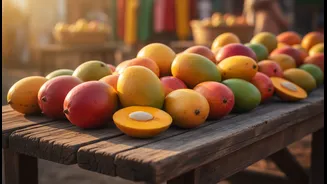
Mango festivals, held across the country from Delhi to Lucknow and Pinjore, are vibrant, crowded, and utterly delightful affairs. To make the most of your visit, a little preparation helps. Wear comfortable clothing and shoes, as you will be doing a lot of walking.
Carry water to stay hydrated, especially during the summer heat. While many stalls might offer digital payments, having some cash on hand is always a good idea for smaller vendors. Most importantly, arrive with an empty stomach and an open mind, ready to explore the vast world of mangoes beyond what you find at your local market.
The Art of Tasting: A Sensory Guide
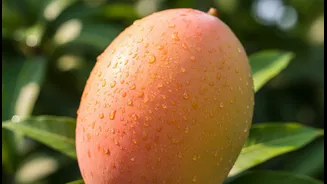
To truly compare varieties, you need to taste like a connoisseur. Don't just rush into eating. First, look at the mango. Observe its colour, shape, and size. Next, hold it and gently press; a ripe mango should give slightly, like a peach or avocado. Then, bring it to your nose and inhale its aroma, which can range from fruity to floral. Finally, taste it. Let the pulp sit on your tongue. Is it sweet, tangy, or a mix of both? Is the texture fibrous or smooth and creamy? By consciously engaging all your senses, you can identify the unique characteristics of each variety. Don't be afraid to try everything, from fresh slices to juices and pickles.
Know Your Mangoes: From Alphonso to Zardalu
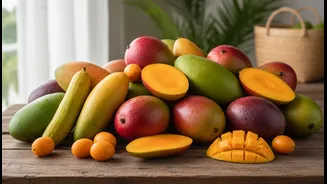
India is home to hundreds of mango varieties, with many having Geographical Indication (GI) tags that certify their specific origin and quality. Festivals are the perfect place to sample these regional treasures. You'll likely find the famous Alphonso from Maharashtra, known for its saffron-coloured, creamy pulp and intense sweetness. Don't miss the Langra from Uttar Pradesh, with its slight tang, or the Dasheri, which is so juicy many prefer to just suck the pulp out. From West Bengal, look for the premium Laxman Bhog, while Gujarat offers the Gir Kesar, whose bright pulp is perfect for aamras. Bihar's Zardalu is celebrated for its exceptional fragrance. Each variety tells a story of its land, climate, and centuries of cultivation.
Talk to the Grower: Unearthing the Roots
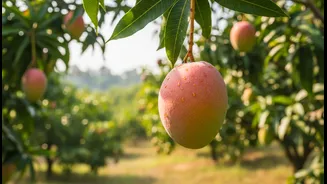
One of the most rewarding aspects of a mango festival is the opportunity to meet the farmers. Strike up a conversation with the growers at their stalls. Ask them about their orchards, some of which may be over a hundred years old. Inquire about their farming practices—are they using traditional methods or modern innovations like drip irrigation? Many farmers have incredible stories about preserving heritage varieties, battling unpredictable weather, and the challenges of getting their fruit to market. Speaking with them transforms a simple fruit tasting into a deeper appreciation for the agricultural heritage and hard work behind every single mango. Their passion is infectious and provides a direct connection to the fruit's journey from the branch to your hand.
More Than a Fruit: The Cultural Connection
In India, the mango is not just a fruit; it's woven into the very fabric of culture, religion, and art. For centuries, it has been a symbol of love, prosperity, and joy. Mango leaves are considered auspicious and are often strung over doorways during festivals and weddings to bring good fortune. The fruit holds a special place in Hindu and Buddhist mythology, with legends of gods and divine blessings. The iconic paisley pattern, a staple in Indian design, is believed to be a stylized depiction of a mango. By understanding this rich history, you'll see that the celebration of the mango at these festivals is a continuation of a thousands-of-years-old love affair.