






Why Your Diet Matters More in Monsoon
The rainy season creates an environment where bacteria and viruses can thrive. High humidity can slow down our digestive system, making us more susceptible to stomach issues. According to both traditional Ayurvedic wisdom and modern science, our 'digestive
fire' or metabolic rate is weaker during this time. This makes it crucial to choose foods that are light, easy to digest, and help bolster our body's natural defences. Contaminated water and food are also bigger risks, so opting for freshly prepared, hygienic meals is non-negotiable.
Embrace Warm, Cooked, and Light Meals
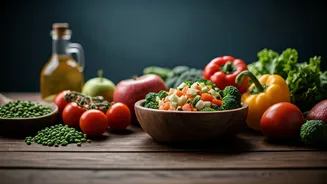
One of the golden rules for a monsoon diet is to favour warm, freshly cooked meals over cold or raw foods. Warm soups, broths, and stews are excellent choices as they are not only comforting but also easy on the digestive system and help you stay hydrated. Incorporate light grains like aged rice, barley, and wheat. Moong dal is particularly recommended for being easily digestible. Heavy foods, especially fried and oily snacks, should be limited as they can lead to indigestion, bloating, and make you feel sluggish. Instead of raw salads, which can carry germs, opt for steamed or grilled vegetables.
Power Up with Immunity-Boosting Spices and Herbs
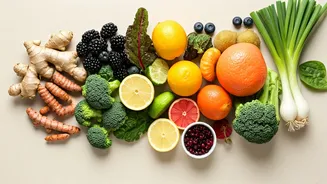
Your kitchen's spice rack is a powerful arsenal for monsoon wellness. Spices like turmeric, ginger, garlic, and black pepper are packed with anti-inflammatory, antibacterial, and antiviral properties. Turmeric contains curcumin, a compound known for its immune-boosting effects, while ginger can soothe a sore throat and aid digestion. Garlic is another powerhouse that helps the body fight infections. Incorporating these spices generously into your daily cooking—in dals, vegetable preparations, and herbal teas—can significantly enhance your immunity.
Be Smart About Fruits and Vegetables
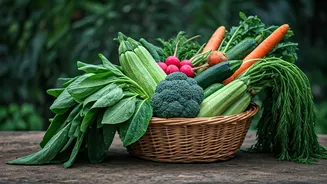
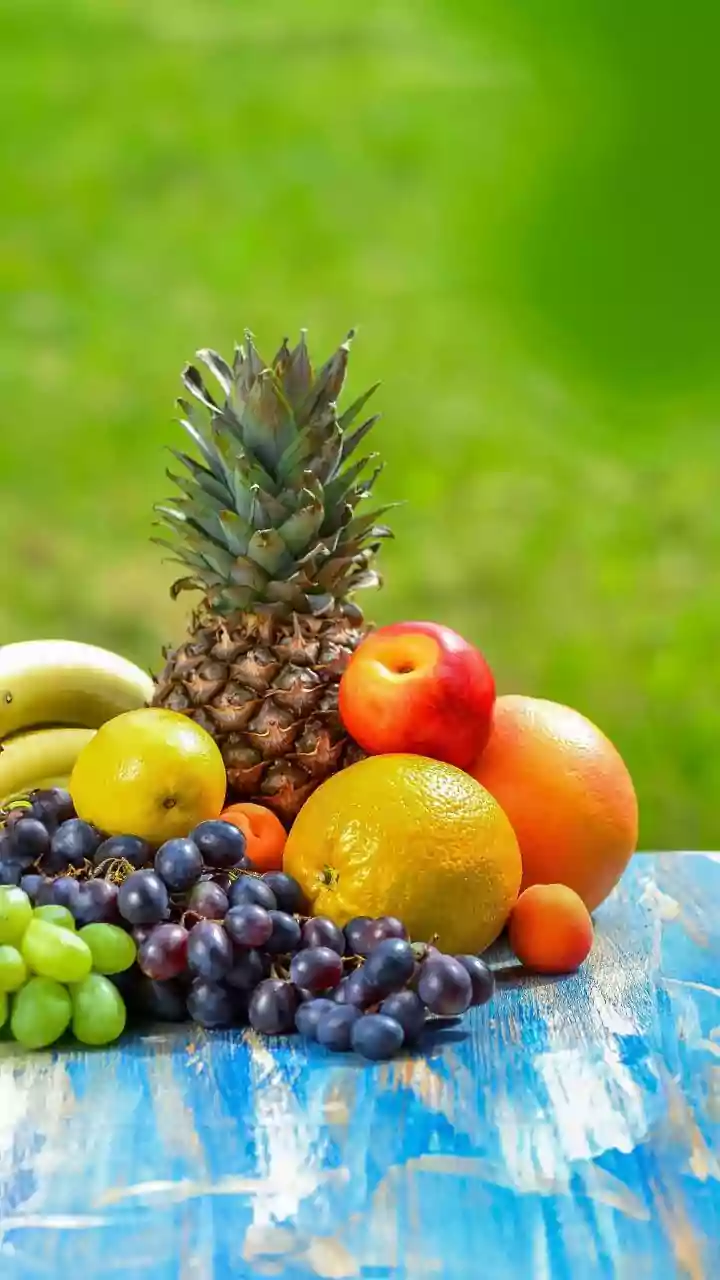
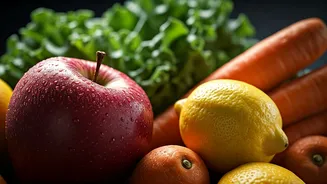
While fruits and vegetables are essential, some caution is advised during the monsoon. Always wash all produce thoroughly in clean or boiled water. It is wise to limit leafy green vegetables, as the dirt and moisture they hold can be a breeding ground for germs. If you do consume them, ensure they are blanched or cooked well. Opt for seasonal fruits like apples, pomegranates, pears, and plums. Citrus fruits such as oranges and lemons are rich in Vitamin C, which is vital for producing infection-fighting white blood cells. Avoid pre-cut fruits from street vendors as they are prone to contamination.
Foods and Drinks to Limit or Avoid
To stay healthy, it's just as important to know what to avoid. Street food, including items like chaat and fried snacks, poses a high risk of water-borne diseases and should be avoided. Seafood is also best limited during this time, as the monsoon is the breeding season for fish, and the risk of contamination is higher. It's also a good idea to cut back on dairy products or opt for probiotic-rich choices like yogurt and buttermilk, which support gut health. Cold and carbonated beverages can weaken the digestive process and should be replaced with warm herbal teas or boiled water.