



The Stage is Set
The three-match series was deadlocked at 1-1 after two high-scoring draws on flat pitches in Lahore and Faisalabad. The National Stadium in Karachi, however, offered a green-tinged surface that promised something for the bowlers. Indian captain Rahul
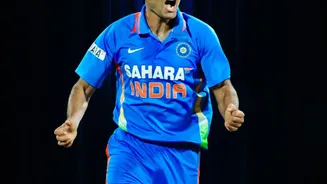
Dravid made a bold call, winning the toss and choosing to field first, a decision that bucked conventional wisdom in the subcontinent. He handed the new ball to his 21-year-old left-arm seamer, Irfan Pathan, a bowler known for his prodigious swing and likened in his early days to the great Wasim Akram. The pressure was immense, the rivalry legendary, and the series on the line.
The Sighters: Balls 1-3
Pathan began his run-up. The first three deliveries of the over served as a perfect, albeit deceptive, opening act. Bowling to the left-handed opener Salman Butt, Pathan settled into his rhythm. The first few balls were probing outswingers, delivered with control. They pitched on a good length and shaped away from the batsman, forcing Butt to be cautious. Two were left alone, one was defended tentatively. There was no sign of the carnage that was about to unfold. For a moment, it looked like a standard, cagey opening to a crucial Test match.
First Blood: Salman Butt (0.4 overs)
The fourth ball was a work of art. Having set him up with deliveries leaving the bat, Pathan pitched this one slightly fuller. It was another outswinger, tempting the batsman. Salman Butt, caught between playing and leaving, pushed at the ball. The late swing found the outside edge, and the ball flew low and fast towards the slips. Waiting there was the captain himself, Rahul Dravid, who took a sharp catch just inches from the turf. Pakistan were 0/1. The Indian team erupted, sensing a crucial early breakthrough.
Lightning Strikes Twice: Younis Khan (0.5 overs)
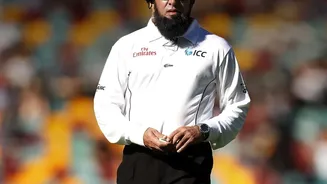
In walked Younis Khan, Pakistan's captain and one of their most formidable batsmen. The change from a left-hander to a right-hander required an immediate adjustment from Pathan. He responded magnificently. The fifth delivery was the polar opposite of the one before it: a devastating, late inswinger. It pitched on a perfect line and curled back in sharply. Younis, playing for the outswing he might have expected, was caught on the crease. The ball beat his bat and struck him plumb on the pads. The appeal was instant and confident, and umpire Simon Taufel’s finger went up without hesitation. Two balls, two wickets. The stadium was stunned into silence.
History is Made: Mohammad Yousuf (0.6 overs)
The hat-trick ball. The new batsman was Mohammad Yousuf, a player in the form of his life. The pressure was almost unbearable. Pathan, with the hopes of a nation on his shoulders, took a deep breath. He knew Yousuf would be wary of the inswinger. He decided to bowl his best version of it anyway. The final ball of the over was the best of the lot. It was a big, booming inswinger that started wide of the off-stump, but curled back in viciously through the air. Yousuf was beaten all ends up, the ball rocketing through the gap between his bat and pad to shatter the stumps. History was made. Irfan Pathan had taken a hat-trick in the first over of a Test match, a feat never achieved before and yet to be repeated.