






A Hunger for Healthy Convenience
The Indian Quick Service Restaurant (QSR) landscape is undergoing a massive transformation. Valued at tens of billions of dollars, the market is expanding rapidly, driven by rising urban incomes, busy lifestyles, and the unstoppable convenience of food
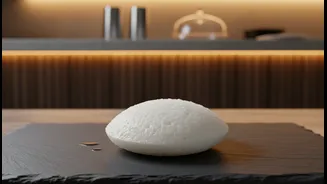
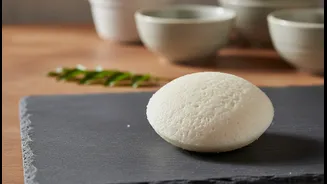
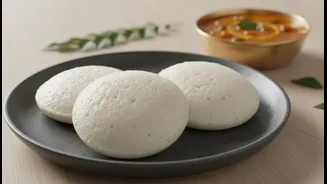
delivery apps. For years, this space was dominated by international giants offering pizzas and burgers. Today, a new consumer demand is reshaping the industry: a quest for healthier, more familiar flavours. As health consciousness grows, particularly among younger demographics, customers are actively seeking nutritious, low-calorie options that don't compromise on taste. This shift has created the perfect opening for a homegrown hero. Naturally steamed, gluten-free, and easy on the stomach, the idli fits the bill perfectly as a wholesome alternative to fried fast food. It represents a powerful convergence of tradition, health, and convenience that modern Indian consumers are craving.
The Rise of the Idli Chains
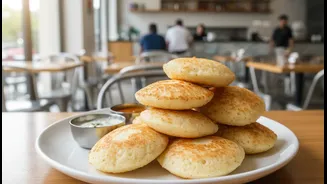
This isn't just a theoretical trend; it's happening on the ground. A new wave of entrepreneurs is building scalable brands around this very concept. Take Naadbramha Idli, for instance. What began as a humble handcart in Pune has blossomed into a formidable franchise with over 300 outlets across seven states, proving the model's viability. Then there are brands like Idli Point and IDC Kitchen (which stands for Idli, Dosa, Coffee), which are establishing themselves with a focus on hygiene, standardization, and affordability. These chains are professionalizing a traditionally unorganized sector. They offer a clean, reliable, and quick experience that appeals to office-goers, families, and students. By creating a consistent brand identity, they are turning the local idli joint into a modern, replicable QSR format that can compete for consumer attention and loyalty.
Innovating a Timeless Classic
Serving fresh idlis at scale presents a unique operational challenge. The traditional process involves hours of soaking, grinding, and fermenting batter, which doesn't align with the 'quick service' model. This is where innovation comes in. To ensure consistency and speed, many new-age idli chains rely on central kitchens to prepare high-quality batter that is then distributed to outlets. This hub-and-spoke model guarantees that the taste and texture remain the same across all locations. Furthermore, technological advancements are playing a crucial role. Automated, continuous idli-making machines, some capable of steaming over a thousand idlis per hour, are eliminating production bottlenecks. These machines ensure hygiene by minimizing human touch and deliver perfectly cooked idlis every time, solving the core challenge of serving this traditional food in a fast-paced environment.
More Than Just a Breakfast Item
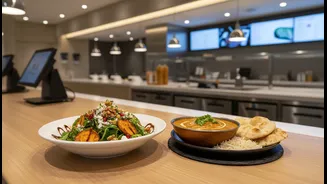
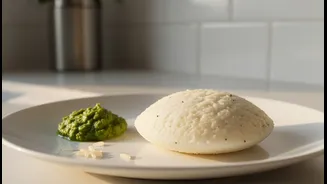
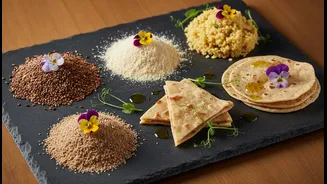
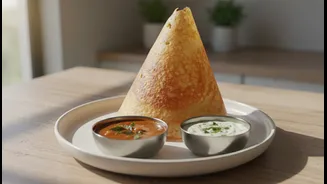
The modern idli QSR is also redefining when and how the dish is eaten. While traditionally a breakfast food, these new establishments are positioning it as an all-day snack or a light meal. The menu is expanding far beyond the simple steamed rice cake. Customers can now find a diverse range of options designed to tempt every palate. You can find ghee podi idlis tossed in spicy gunpowder, nutrient-packed versions made from ragi or oats, and even stuffed idlis with vegetable fillings. This menu diversification is key to attracting a wider audience and increasing sales throughout the day. By pairing idlis with various chutneys, sambar, and even non-traditional sides, brands like We Idliwale in Pune are creating a more modern, casual dining experience, sometimes with rock music in the background—a far cry from the traditional Udupi restaurant.