





A Delayed and Deficient Monsoon's Final Act
The 2026 southwest monsoon has been erratic, marked by a significant deficit influenced by developing El Niño conditions. The India Meteorological Department (IMD) noted that overall rainfall has been below normal for the season. This September spell
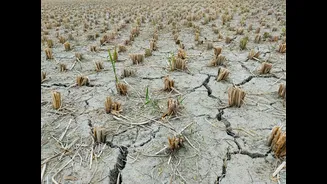
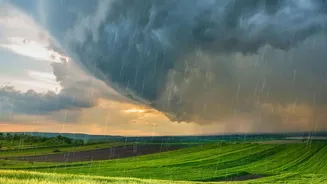
comes just as the monsoon was expected to begin its withdrawal from northwest India around September 19. While regions like Delhi are expecting drier weather, states in eastern and southern India are bracing for more rain. This late-stage rainfall, occurring after a season of uneven distribution, complicates the agricultural landscape significantly. The season has seen prolonged dry spells followed by intense downpours, which stresses crops even if cumulative rainfall numbers appear healthier.
The Bad News: Kharif Crops at Risk
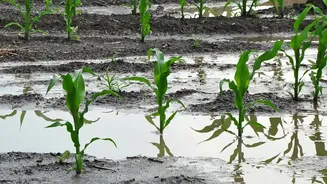
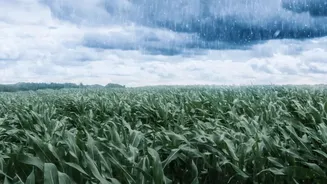
For farmers with standing Kharif (monsoon) crops, this September rain is a source of major anxiety. Crops that were planted late due to the monsoon's weak start, like cotton, soybean, and corn, are now at a critical growth stage where they need moisture. However, for crops that are mature and ready for harvest, the rain is disastrous. Heavy downpours can lead to waterlogging in fields, damaging mature paddy (rice), pulses, and soybeans. This not only causes direct yield loss but also leads to higher moisture content in the harvested grain, which fetches a lower price in the market and is prone to spoilage. Several experts have flagged that crops like cotton, bajra, maize, and tur are particularly vulnerable to the impact of this uneven rainfall pattern.
The Good News: A Silver Lining for Rabi Crops
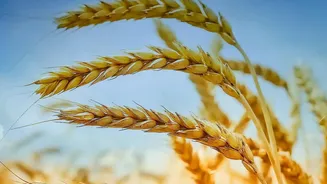
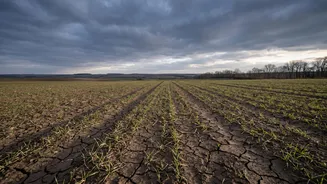
On the other side of the coin, this late rain is a welcome boon for the upcoming Rabi (winter) season. The monsoon's performance directly impacts the moisture available in the soil for winter crops like wheat, chickpeas (chana), and rapeseed-mustard, which are planted starting in October. A dry end to the monsoon, which was the prevailing concern after a deficit in August, would have made it difficult for seeds to germinate and hampered early growth. This fresh spell of rain will recharge soil moisture and replenish reservoirs, giving farmers a much better foundation for the crucial Rabi sowing season. This is especially important as the Rabi season accounts for nearly half of India's total foodgrain production.
What This Means for the Farmer and the Consumer
This weather pattern creates a complex situation for farmers. Those who lose their Kharif harvest face immediate financial distress. The unevenness of the rain means that while one district might benefit, a neighbouring one could be devastated. This spatial imbalance is a hallmark of the 2026 monsoon. For consumers, the impact will likely be felt in the vegetable and pulse markets first. Damage to standing crops can lead to supply disruptions and a short-term spike in prices. Concerns over food inflation, which has already been on the rise, are mounting due to the potential impact on yields. The government has already taken some pre-emptive measures, like allowing duty-free imports of certain pulses, to manage potential shortfalls and control costs.