





A New Travel Playbook
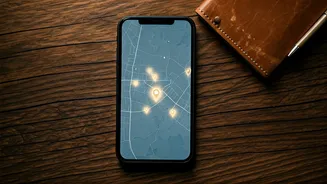
Imagine a Google Map dotted with pins, each representing a homestay. But instead of generic information, each pin contains a note from a fellow traveller: “Great Wi-Fi, aunty’s chai is a must-try, mention my name for a 15% discount.” This isn't a futuristic
concept; it’s a grassroots movement happening right now in private digital communities. Solo trippers, tired of inflated prices and commission-heavy booking platforms, are taking matters into their own hands. They are creating and constantly updating collaborative documents—from shared maps to spreadsheets—that serve as a live directory of budget-friendly, traveller-vetted accommodation. This trend bypasses the commercial travel industry, relying instead on trust and shared experience within closed networks.
How It Actually Works
The mechanics are surprisingly simple and built on existing, free-to-use technology. The process usually starts in a dedicated Facebook group, Reddit community, or a WhatsApp/Telegram group for travellers. A member might create a shareable Google My Maps list for a specific region, like Himachal Pradesh or the coasts of Goa. When a traveller discovers a fantastic homestay that offers a good deal, they add it to the map with crucial details: the host’s contact number, a price range, photos, and the all-important tip for securing a discount. The 'discount' might be an informal deal offered by the host for direct bookings to avoid platform fees, or a special rate given to members of that specific travel community. The map becomes a living document, with outdated information removed and new gems added daily by a dispersed team of nomadic contributors.
More Than Just Discounts
While cost-saving is the primary driver, the appeal of this crowdsourced model runs deeper. For solo travellers, especially women, safety is paramount. A recommendation on a community map is often more trustworthy than an anonymous online review because it comes from a peer—someone with shared travel values. These annotations often include practical safety tips, like “well-lit area” or “host is very respectful of solo female guests.” Furthermore, this method champions a more authentic travel experience. It steers travellers away from standardised hotels and towards genuine homestays where they can connect with local culture. By booking directly, more money goes into the host’s pocket, fostering a healthier, more sustainable form of tourism that benefits local economies directly.
The Digital Hubs of the Movement
This trend thrives in niche corners of the internet. Facebook groups like 'The Himalayan Travel Community' or regional backpacking forums are fertile ground for these initiatives. On Reddit, subreddits such as r/Indiatravel and r/solotravel often have threads where users share links to collaborative spreadsheets or maps. The most valuable resources, however, are often found in more private circles like invite-only WhatsApp and Telegram groups. Gaining access to these often requires being an active and trusted member of a larger, public community first. The exclusivity ensures that the information remains high-quality and the users are genuine travellers, not marketers or spammers. It’s a digital-age version of word-of-mouth, scaled for a generation that lives online.
The Perks and the Pitfalls
The upside is clear: access to unique, affordable stays that you’d never find on a commercial platform, all vouched for by a community you trust. However, this approach isn’t without its risks. Since these maps are informal, there’s no central body to verify information or mediate disputes. A discount that was available last week might be gone today. A contact number might be outdated. Unlike booking through a major platform, there’s no customer service to call if things go wrong—you don’t get the same protections regarding cancellations or refunds. It requires a bit more effort and a willingness to double-check information. Travellers must do their own due diligence, contacting the host directly to confirm details before making any payment.