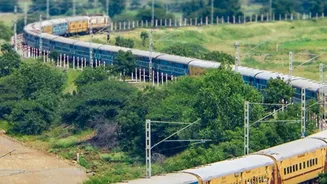









Why Are So Many Trains Being Changed?
This wave of disruption is not random; it's the result of two major, overlapping factors: monsoon preparedness and large-scale infrastructure upgrades. Across the country, various railway zones are undertaking critical pre-monsoon and monsoon-related
work to ensure safety. This includes cleaning culverts, strengthening embankments, and raising track levels in flood-prone areas. For instance, heavy rainfall has already led to landslides and waterlogging in regions like the Mumbai-Pune ghat section, forcing immediate cancellations and diversions. Concurrently, Indian Railways is in the midst of a massive modernization drive. This involves significant engineering work such as track doubling, installation of new signal systems, and yard remodeling. Projects like the commissioning of a new rail line in Uttar Pradesh or doubling work in the Jamnagar section require planned 'traffic blocks', leading to the temporary cancellation or diversion of numerous services.
Which Routes and Zones Are Most Affected?
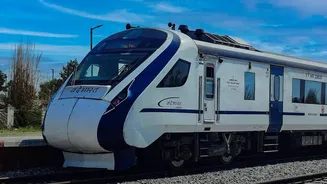
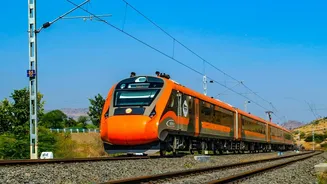
While disruptions are widespread, some zones and routes are experiencing more changes than others. Recent announcements show significant impacts across Western Railway, Southern Railway, Northern Railway, and South Central Railway. In early July, work in Uttar Pradesh and the Bilaspur division affected services connecting to Gorakhpur, Lucknow, and Bandra Terminus. More recently, heavy rains and subsequent waterlogging have caused major disruptions in South Gujarat and on the busy Mumbai-Ahmedabad corridor, impacting premium services like the Vande Bharat and Shatabdi Express. In the north, ongoing track maintenance work in the Kashmir valley has led to the extended cancellation of several train services on the Banihal-Baramulla section until mid-August. These examples highlight the dynamic nature of the changes, which can affect both long-distance express trains and local passenger services.
Your Essential Guide to Checking Train Status
Given the fluid situation, simply relying on your original ticket information is no longer enough. Adopting a habit of proactive checking is key. The most reliable tool at your disposal is the National Train Enquiry System (NTES). This is Indian Railways' official platform and provides real-time information. You can access NTES through its official website (enquiry.indianrail.gov.in) or by downloading the NTES mobile app. The 'Spot Your Train' feature allows you to see the train's current location, any delays, and its expected arrival time at your station. Other useful features include lists of cancelled, rescheduled, and diverted trains. For those without consistent internet access, the universal railway helpline number, 139, provides similar information via an Interactive Voice Response System (IVRS) available in multiple languages. Several popular third-party apps like 'Where is My Train', RailYatri, and Ixigo also provide live tracking, sometimes with user-friendly features like offline tracking and destination alarms.
Best Practices for Hassle-Free Travel
To minimize travel stress this month, follow a simple checklist. First, check your train’s status a day before your journey. Second, and most importantly, check it again a few hours before you plan to leave for the station. Last-minute changes are common, and a final check can save you a wasted trip. If you find your train is cancelled, the refund process is straightforward. For e-tickets booked via IRCTC, the refund is typically processed automatically back to the source account. For counter tickets, you will need to file a Ticket Deposit Receipt (TDR) online or at a counter to claim your refund. Always keep an eye on the official social media handles and press releases from your specific railway zone, as they often provide the most localized and timely updates about disruptions in their area.