




A Natural Nutrient Boost for Your Plants
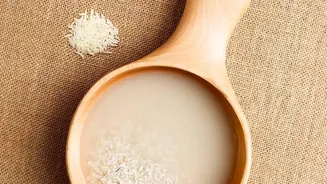
The milky liquid left over from washing rice is more than just starchy water. It’s a mild, natural fertilizer containing small amounts of nitrogen, phosphorus, and potassium (NPK)—the three primary macronutrients essential for plant health. It also contains
trace minerals and B vitamins, which support robust root development and leafy growth. The starch itself acts as food for beneficial microbes in the soil. These microorganisms help break down organic matter, improving soil structure and making nutrients more easily available to the plant's roots. Essentially, you're not just watering your plant; you're feeding the entire ecosystem in the pot.
How to Collect and Use Fresh Rice Water
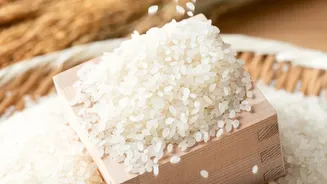
Using fresh rice water is the quickest and most straightforward method. The next time you make rice, simply follow these steps. First, place your uncooked, unseasoned rice in a bowl and cover it with water. Gently swirl the grains with your fingers for about a minute until the water turns cloudy. Strain this liquid into a clean jar or watering can, and your natural plant supplement is ready. It is crucial to only use water from rinsing plain, uncooked rice. Water used to boil rice can also be used if it is unsalted, but it will be more concentrated in starch and should be diluted with an equal part of plain water. Most importantly, never use water that contains salt, oil, or any other seasonings, as these additives can seriously harm your plants.
The Power of Fermentation
For an even more potent plant tonic, you can ferment your rice water. Fermentation increases the bioavailability of nutrients and cultivates beneficial bacteria, like lactobacilli, which can help suppress pathogens and improve soil health. To ferment, collect your rinse water in a glass jar, leaving some space at the top. Cover it loosely with a cloth—this allows gases to escape while keeping dust out. Let the jar sit at room temperature away from direct sunlight for two to five days. You'll know it's ready when it develops a slightly sour smell. This fermented liquid is more concentrated, so it's important to dilute it before use. A general guideline is to mix one part fermented rice water with five to ten parts fresh water.
Best Practices for Watering
While beneficial, rice water should not completely replace your regular watering routine. Think of it as a weekly or bi-weekly supplement during the growing season. Overuse can lead to a starchy buildup on the soil surface, which may attract pests like fungus gnats or lead to mold. Apply the water directly to the soil at the base of the plant, avoiding the leaves to prevent potential fungal issues. Plants that particularly enjoy this treat include many common houseplants like pothos, peace lilies, and spider plants, as well as vegetables like tomatoes and peppers. It's also great for leafy greens and flowering plants like roses.
What to Watch Out For
This kitchen hack is fantastic, but it's not a cure-all and comes with a few caveats. Rice water is a mild supplement, not a complete fertilizer, so it won't replace the need for a balanced fertilizer for heavy-feeding plants. Always allow the soil to dry out between waterings to prevent root rot, especially when using starchy water. If you notice any white mold on the soil surface or an unpleasant odor, it's a sign you're using it too frequently or the soil is staying too damp. Finally, some sources note that rice can absorb arsenic from the environment, so while occasional use is fine, relying on it too heavily for edible plants could lead to a buildup of trace elements in the soil over time.