




Footwear: Your Most Critical Choice
The single most important gear decision for a monsoon trek is your footwear. The volcanic basalt rock common in the Sahyadris becomes incredibly slippery when wet and mossy. Normal running shoes or sneakers are dangerous as they lack the necessary traction.
Invest in proper trekking shoes with deep, aggressive rubber lugs for maximum grip. While fully waterproof boots sound ideal, many experienced trekkers advise against them for prolonged, heavy rain. Water inevitably gets in over the collar, and the waterproof membrane then traps it, leading to waterlogged feet. A better option can be non-waterproof, quick-drying trail shoes paired with synthetic or wool socks. Avoid cotton socks at all costs, as they retain moisture and cause painful blisters.
The Art of Staying Dry
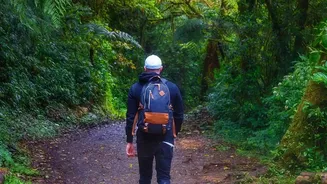
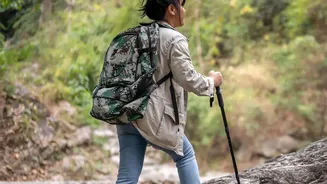
During the monsoon, you should operate under the assumption that everything will get wet. The goal is to manage water, not just resist it. Start with a quality backpack (20-40 litres for a day or overnight trek) equipped with a heavy-duty rain cover. However, a cover alone isn't enough. Inside your pack, use dry bags or multiple layers of plastic bags to compartmentalize and protect your most critical items: electronics, a change of clothes, and your first-aid kit. A reliable poncho or a waterproof rain jacket is non-negotiable to protect yourself from hours of continuous rain and wind.
Dressing in Layers for Humidity and Rain
Layering is key to comfort. Your base layer should be a synthetic, quick-drying t-shirt that wicks moisture away from your skin. Over this, you can add an insulating layer like a fleece if trekking at higher altitudes, though for most humid, low-elevation Ghats treks, this may be too warm. Your outermost layer is your waterproof jacket or poncho. Opt for quick-dry trekking pants. Avoid wearing jeans or any cotton clothing, as it absorbs a massive amount of water, becomes heavy, and fails to insulate, increasing your risk of hypothermia even in mild conditions.
Navigating Safety and Common Nuisances
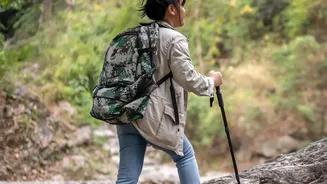
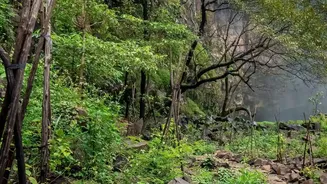
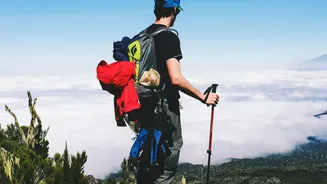
Monsoon trails introduce specific risks. Slippery paths, poor visibility due to fog, and swollen streams are common. Always carry a basic first-aid kit, a whistle, and a waterproof headlamp, even on day treks. Trekking poles can provide crucial stability on treacherous descents. Leeches are a common feature of the forest floor during this season. To protect yourself, wear anti-leech socks or tuck your pants into long socks. Carrying a small pouch of salt or a sanitiser spray can help in removing any that latch on. Always check weather forecasts and be aware of trails that are prone to flash floods or landslides; some routes are often restricted by local authorities for safety reasons.
Trekking with Respect: The Eco Rules
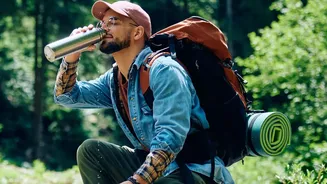
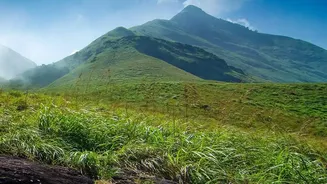
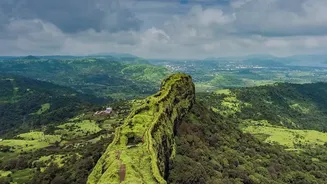
The Western Ghats are a UNESCO World Heritage site and a global biodiversity hotspot, making responsible trekking paramount. The primary rule is 'Leave No Trace'. This means you must pack out everything you pack in, including all food wrappers and waste. Avoid using single-use plastics; carry a reusable water bottle instead of buying bottled water. Stick to the marked trails to prevent soil erosion and disturbance to the fragile ecosystem. Do not pollute water sources like streams and waterfalls. Hiring a local guide not only provides a safer and richer experience but also supports the local economy in a sustainable way.