

Poha is a national treasure—a quick, comforting, and wholesome meal loved across India. But if your poha routine is stuck on repeat, it’s time to explore how different regions transform this simple ingredient into a stunning variety of dishes.
The Classic: Kanda Batata Poha
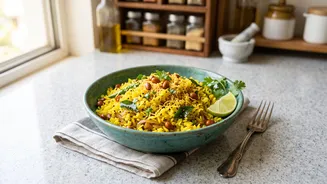
This is the
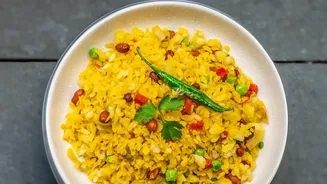
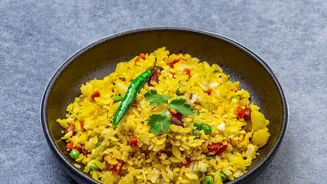
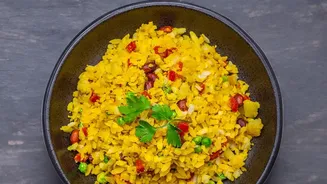
version many of us know and love, a staple in Maharashtrian households. 'Kanda' means onion and 'batata' means potato, and these form the hearty base of the dish. The flattened rice is lightly rinsed and then tossed in a tempering of mustard seeds, curry leaves, and green chillies, along with sautéed onions and diced potatoes. Roasted peanuts are almost always non-negotiable, adding a delightful crunch and protein boost. Finished with a squeeze of lemon and fresh coriander, Kanda Batata Poha is the ultimate comfort food—simple, savoury, and deeply satisfying. It's the reliable, go-to breakfast that sets a delicious standard.
The Street Food Star: Indori Poha
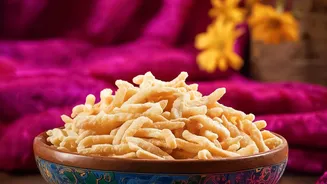
Travel to Madhya Pradesh, and you'll find a version of poha that is a celebrity in its own right. Indori Poha is famous for its unique texture and flavour profile. The preparation itself is gentler; the poha is steamed, not fried, which results in incredibly soft and fluffy flakes. What truly sets it apart is the symphony of toppings and a distinctive taste that comes from fennel seeds (saunf) in the tempering and a special 'jeeravan masala' sprinkled on top. It’s generously garnished with crunchy sev, chopped onions, and vibrant pomegranate seeds, and is often served with a sweet jalebi on the side for a perfect sweet-and-savoury combination.
The Spicy Kick: Nagpuri Tarri Poha
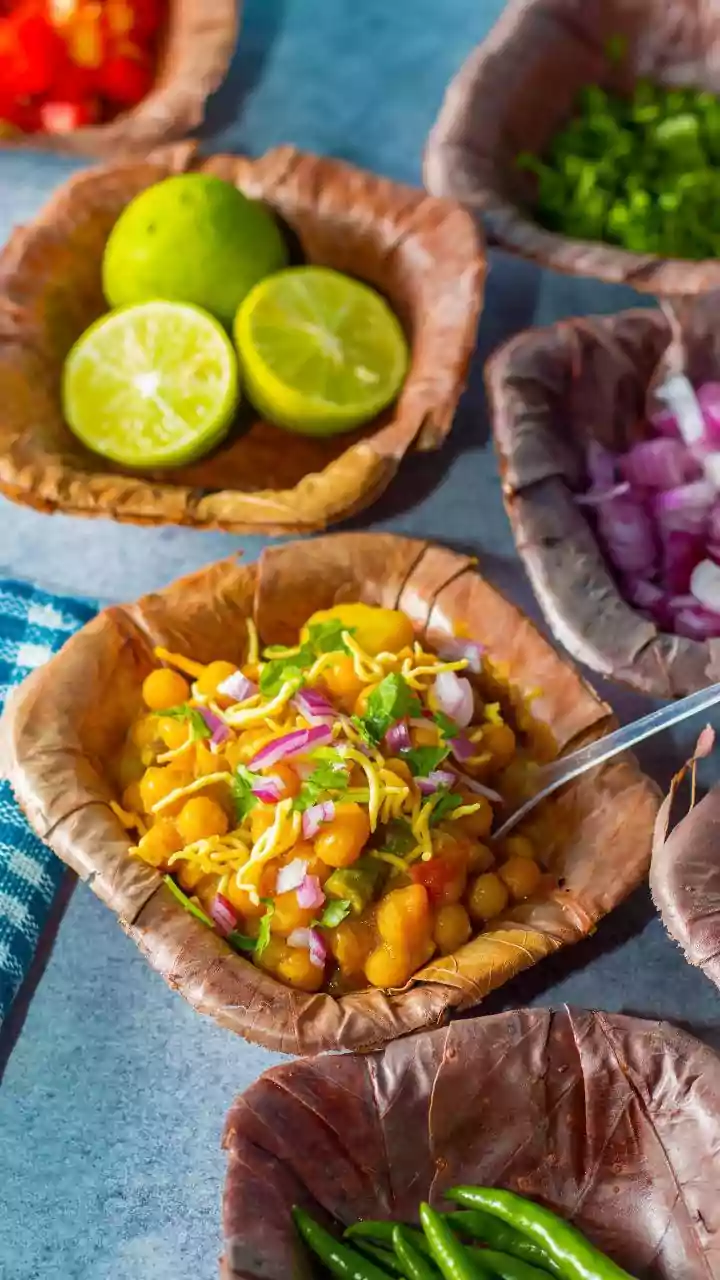
Nagpur offers a poha experience that is fiery and bold. Here, the humble poha serves as a base for a spicy, flavour-packed gravy called 'tarri'. The poha itself is usually a simple kanda poha. The magic happens when it’s generously drenched in tarri, a thin but potent curry typically made from black chickpeas (kala chana) and a host of aromatic spices. This dish is a beautiful contrast in textures and tastes—the soft, mild poha soaking up the hot, tangy gravy. Topped with raw onions and sev for crunch, Tarri Poha is a soulful meal that delivers a memorable spicy kick, making it a beloved street food, especially in the wee hours of the morning.
The No-Cook Wonder: Dadpe Pohe
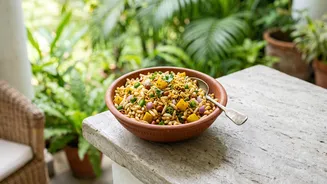
From the Konkan coast of Maharashtra comes a variation that is perfect for hot days or when you don't want to turn on the stove. 'Dadpe' means 'to press', and this uncooked version involves mixing thin poha flakes with finely chopped onion, fresh grated coconut, lemon juice, and salt. This mixture is pressed and set aside, allowing the poha to soften by absorbing moisture from the other ingredients. A hot tempering of oil, mustard seeds, asafoetida, and curry leaves is poured over the top just before serving, which slightly wilts the ingredients and releases their aroma. The result is a refreshing, light, and tangy dish that is quick, easy, and requires minimal cooking.
The Tangy Twist: Gojju Avalakki
Down south in Karnataka, flattened rice, or 'avalakki', gets a completely different treatment. Gojju Avalakki, also known as Huli Avalakki, is a flavour explosion of tangy, spicy, and sweet notes. The 'gojju' is a special paste made from tamarind, jaggery, and a unique spice powder, often similar to sambar or rasam powder. The flattened rice is first mixed with this flavourful paste and then a tempering of mustard seeds, lentils, peanuts, and curry leaves is added. Unlike other poha dishes that are typically served hot, Gojju Avalakki is often enjoyed at room temperature, making it a convenient option for breakfast or a travel snack. It’s a dish that proves how wonderfully poha can adapt to the bold flavours of South Indian cuisine.