







The Monsoon Makes Its Entrance
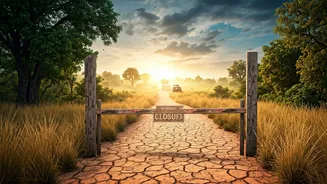
The primary reason for the annual closure is the arrival of the monsoon season. From roughly July to September, heavy and persistent rains sweep across much of India, transforming the dry, dusty tracks of the national parks into treacherous rivers of mud.
These conditions make safari tourism not just difficult, but genuinely dangerous for both visitors and forest staff. Vehicles can easily get stuck, and the risk of being stranded in a remote area of the forest is high. The downpours can also cause seasonal streams and rivers to swell unpredictably, washing away dirt roads, knocking down culverts, and making large swathes of the reserves completely inaccessible. For safety reasons alone, closing the parks to tourist vehicles becomes a necessity.
A Time for Privacy and New Life
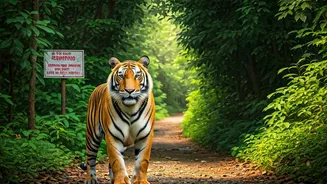
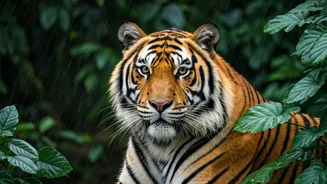
The monsoon is a period of abundance and renewal in the jungle, and for many species, it’s the most important time of year for breeding. The closure of parks provides a much-needed period of peace and quiet, allowing animals to mate and raise their young without the stress of human intrusion. Tigers, along with many other animals, need an undisturbed environment for successful breeding and to rear their offspring. Constant vehicle traffic, noise, and the presence of humans can cause significant distress to a mother tiger trying to protect her vulnerable cubs, potentially leading her to abandon them. By shutting the gates to tourism, park authorities ensure that the natural cycle of life can proceed undisturbed, which is vital for the long-term health and stability of the wildlife populations.
An Essential Reboot for the Forest
The temporary shutdown isn't just a break for the animals; it's also a critical time for the forest ecosystem itself to regenerate. The monsoon rains nourish the soil and replenish water bodies, allowing for a lush growth of vegetation. Without the constant pressure of tourist vehicles and foot traffic, the delicate habitat can recover and flourish. This period is also used by park authorities to carry out essential maintenance work that is impossible during the busy tourist season. Staff can repair damaged roads, bridges, and fences, improve anti-poaching watchtowers, and clear away any waste. This ensures that when the parks reopen, they are safe, accessible, and in the best possible condition to offer a high-quality experience for visitors.
Heightened Vigilance Against Poachers
While the monsoon provides a shield from tourism, it can also present an opportunity for poachers, who may try to take advantage of the difficult conditions that hamper forest patrols. The lush vegetation provides more cover, and the rains can wash away tracks, making illegal activities harder to detect. Recognising this threat, forest departments use the closure period to intensify their anti-poaching surveillance. With tourism duties on hold, more staff can be dedicated to 'Operation Monsoon,' conducting rigorous patrols and enhancing vigilance in vulnerable areas to protect the wildlife, especially tigers.
When Can You Visit Again?
Most tiger reserves in Central and North India typically close their core zones from late June or July 1st and reopen around October 1st, though some may wait until mid-October or even November. The exact dates vary depending on the state and the local weather conditions. However, it’s worth noting that not everything is completely shut. Many reserves keep their buffer zones open for tourism, offering a different, though sometimes equally rewarding, safari experience. Some parks in South India, like those in Karnataka, may not close at all, as their terrain is less affected by the monsoon. When the core zones do reopen post-monsoon, visitors are greeted by a rejuvenated, breathtakingly green landscape teeming with life, making the wait entirely worthwhile.