







Why The Rain Raises The Risk
The monsoon season creates a perfect storm for germs. The high humidity and moisture in the air allow harmful bacteria like E. coli, Salmonella, and Listeria to thrive and multiply rapidly on food. This problem is made worse by waterlogging and drainage
issues, which can cause sewage to contaminate public water supplies used by many food vendors. Food that is left out in the open, even for a short time, spoils much faster than in other seasons, turning a tempting snack into a potential source of food poisoning or other waterborne diseases like typhoid, cholera, and jaundice.
The Street Food Gamble
That irresistible plate of pani puri or bhel puri might be the riskiest bet you take all season. Street food vendors often use tap water for chutneys and the 'pani' in pani puri, which is rarely boiled or filtered and has a high chance of being contaminated. Pre-cut fruits and raw salads are another major hazard. Often left uncovered, they are exposed to dust, flies, and bacteria that multiply quickly in the damp air. The very cutting boards and knives used can be breeding grounds for germs, making it easy for cross-contamination to occur.
Fried Favourites, Safer Bites
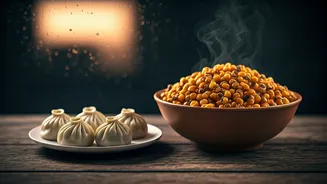
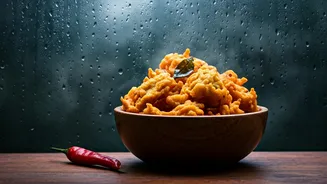
You don't have to give up on pakoras and samosas entirely. The safest way to indulge is to make them at home where you can control the hygiene, the quality of ingredients, and the freshness of the oil. If you must buy from a vendor, choose one who maintains visible hygiene standards and cooks the food fresh in front of you. Eating snacks that are served steaming hot is crucial, as high temperatures kill most active bacteria. Avoid items that have been sitting in a display case, no matter how tempting they look, and be wary of reused cooking oil, which can cause digestive issues.
Beware of Raw and Leafy Greens
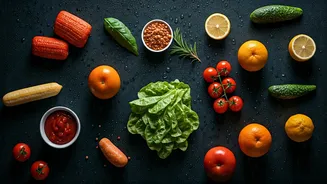
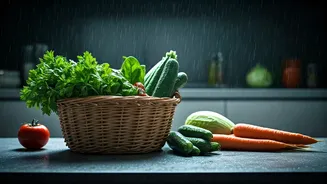
Health experts advise against consuming raw foods, especially leafy green vegetables like spinach and cabbage, during the monsoon. The moisture and grime they carry can be difficult to wash off completely, and they can harbour germs and even worm infestations. Even a simple salad can become risky. If you are craving a salad, it is much safer to steam or lightly cook the vegetables first. This helps kill any lingering pathogens and also makes them easier to digest, as our digestive systems tend to be more sensitive during this season.
Smart Swaps for Home Comforts
Instead of gambling with street-side juices, which may use contaminated water and ice, prepare fresh juices at home. Roasted corn on the cob (bhutta) is a fantastic and relatively safe street snack, provided it is roasted well over coals and served hot. Warm, comforting meals like soups, stews, and khichdi are excellent choices that are both nourishing and easy on the stomach. For your fried-food cravings, consider healthier cooking methods like air-frying or baking your pakoras at home. This gives you the same satisfying crunch without the added risks of street-side preparation.