






The Numbers Tell a Story
Recent data from the Singapore Tourism Board (STB) paints a clear picture of India's growing importance. In the first half of 2026, Singapore welcomed over 600,000 visitors from India. More impressively, tourism receipts from the Indian market reached
S$374 million in the first quarter of 2026 alone, an 8% year-on-year increase. This represents the highest growth in tourism spending among all of Singapore's source markets for that period. This financial metric is crucial; it shows that not only are more Indians visiting, but they are also spending more per trip. In 2025, India was already Singapore's fifth-largest source of international arrivals, with 1.2 million visitors, demonstrating a strong foundation for this new phase of growth. The focus for STB has now clearly shifted from just counting arrivals to encouraging higher-value travel, longer stays, and repeat visits.
Beyond the Merlion and Marina Bay
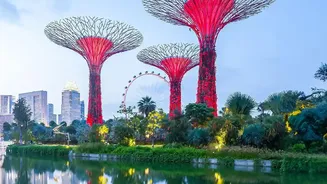
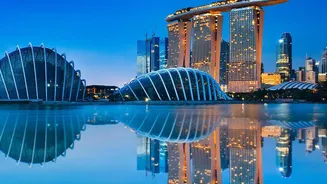
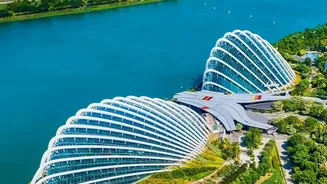
The headline-grabbing numbers are a result of a fundamental change in traveler preferences. Indian tourists, particularly younger and more affluent demographics, are looking beyond the traditional checklist of attractions. They are seeking unique, shareable experiences that go deeper into Singapore's culture and lifestyle. The STB is actively promoting new attractions to cater to this demand, such as the Rainforest Wild Adventure and Exploria at Mandai Wildlife Reserve, the transformed Singapore Oceanarium, and the immersive IMBA Theatre at Gardens by the Bay. Cruise tourism is another major focus, with the year-round deployment of the Disney Adventure from March 2026 and Royal Caribbean's Navigator of the Seas homeporting in Singapore. These offerings are designed to attract multi-generational families and groups looking for all-inclusive holiday options. The strategy is to present Singapore as a destination that is constantly evolving and always has something new to offer, even for seasoned visitors.
A Deliberate and Targeted Strategy
This boom is not accidental. It is the result of a deliberate, multi-pronged strategy by the Singapore Tourism Board. The STB has launched several initiatives aimed squarely at the Indian market. A key partnership is a pan-India campaign with MakeMyTrip, running from July to November 2026, which promotes holiday packages of four nights or more. This campaign also specifically targets high-value customers through MakeMyTrip BLACK and an association with HSBC Premier members. To engage younger travellers, STB's global "We Don't Wait For Fun" campaign is active in India, positioning Singapore as a hub for nightlife, live entertainment, music, and food. Collaborations with Indian musicians like DIVINE and digital content partnerships with publications such as Vogue India are making the city-state more culturally relevant to Millennials and Gen Z. Furthermore, an always-on digital initiative called 'Friends of Singapore 2.0' uses Indian influencers to continuously showcase fresh experiences.
The Evolving Indian Traveller
Singapore's success is a case study in understanding the modern Indian international tourist. Post-pandemic travel trends show a clear move towards experiential and meaningful journeys. Indian travellers are increasingly sophisticated, seeking authenticity and unique cultural engagement over standardised tours. This trend is visible not just in leisure travel but also in the MICE (Meetings, Incentives, Conferences, and Exhibitions) sector. Singapore has successfully hosted large corporate groups from major Indian companies like Google India and ICICI Lombard. MICE visitors are particularly valuable as they typically spend more than leisure tourists. By catering to this desire for quality and novelty—whether through curated business events, immersive art installations, or niche culinary tours—Singapore has positioned itself as an ideal destination for this new wave of discerning Indian travellers who are willing to pay a premium for memorable experiences.