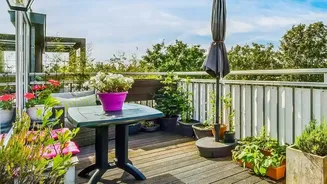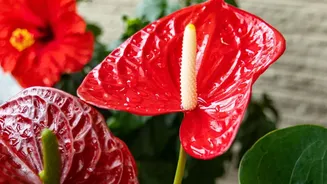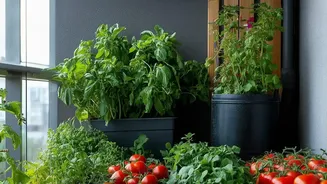




First, Understand Your Light
Before you buy a single plant, the most critical step is to assess your balcony's sunlight. Plants have different needs, and the right plant in the wrong spot will struggle. Spend a day observing your balcony. Note when direct sunlight first hits the space
and for how long. An easy way is to check every hour or two. South-facing balconies in India typically get the most sun, making them ideal for sun-loving flowers and vegetables. East-facing spots get gentler morning sun, perfect for many herbs and leafy greens. West-facing balconies get intense afternoon heat, while north-facing ones receive the least direct light, suiting shade-tolerant plants like ferns and money plants. Knowing your light pattern is the foundation of a successful garden.
Choose the Right Plants
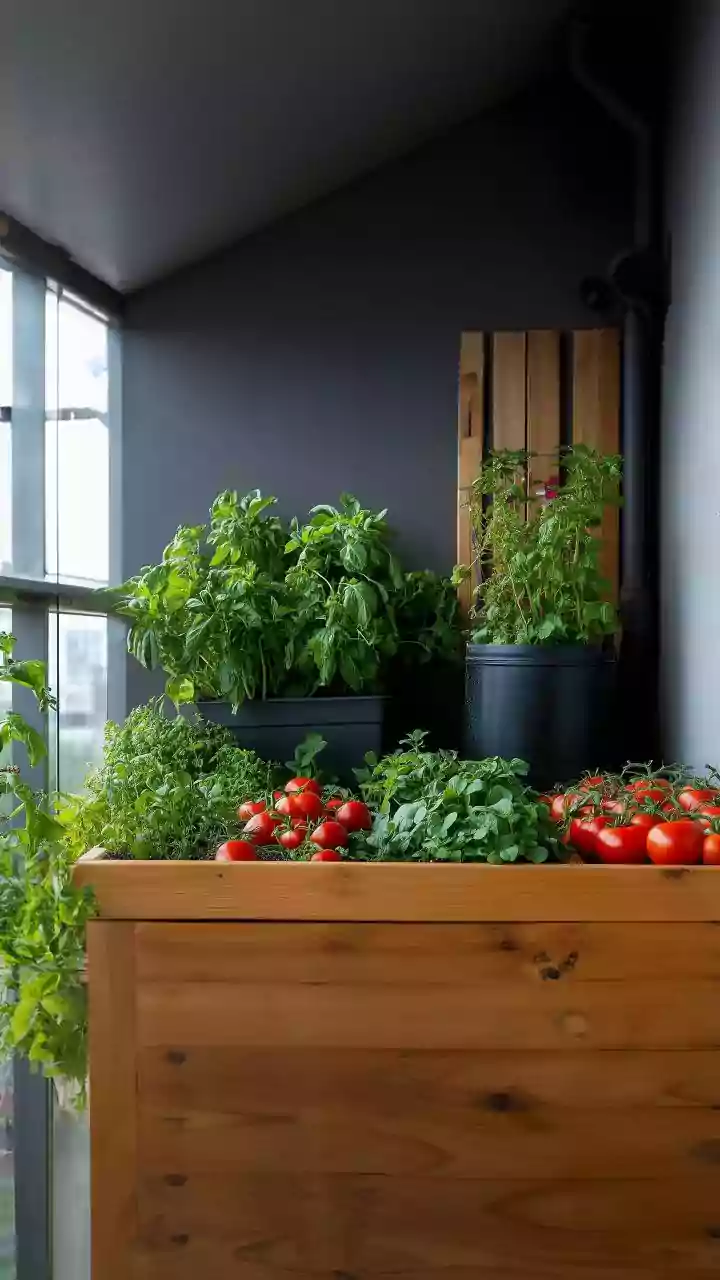
Once you know your light conditions, you can choose plants that will thrive. For sunny, hot balconies, consider hardy bloomers like bougainvillea, hibiscus, marigold, and portulaca (moss rose). These are well-adapted to Indian climates and can handle the heat. For balconies with partial or indirect light, options like the spider plant, snake plant, areca palm, and peace lily are excellent choices. Herbs are also fantastic for apartment gardens. Tulsi (holy basil), mint, and curry leaves are practical, relatively low-maintenance, and do well in containers with adequate sun. Starting with a few hardy, low-maintenance plants is a great way to build confidence.
Potting and Soil Essentials
Container gardening has its own rules. Never use regular garden soil in pots; it's too heavy and compacts easily, leading to poor drainage and suffocated roots. Always use a high-quality, well-draining potting mix specifically designed for containers. This ensures your plants' roots get the air and moisture they need. The pot itself is just as important. Ensure every pot has drainage holes at the bottom to let excess water escape. Without proper drainage, water can stagnate and cause root rot, one of the most common reasons container plants fail. When it comes to size, choose a pot that accommodates the plant's mature size to avoid restricting root growth.
Watering Without the Guesswork
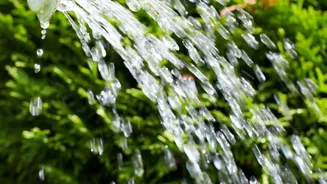
Balcony plants tend to dry out faster than those in the ground due to wind and direct heat on the pots. However, overwatering is just as dangerous as underwatering. The best rule is to check the soil before you water. Stick your finger about an inch or two into the soil. If it feels dry, it's time to water. If it's still moist, wait another day. When you do water, do so thoroughly until you see water running out of the drainage holes. This ensures the entire root ball is hydrated. On very hot or windy days, you might need to water daily or even twice a day. Watering early in the morning is ideal, as it allows the plant to absorb moisture before the heat of the day causes evaporation.
Feeding and Basic Upkeep
Plants in pots have limited access to nutrients, so they rely on you for food. After a couple of months, the nutrients in the potting mix will be depleted. Plan to feed your plants with a suitable fertilizer according to the package directions. Over-fertilizing can be harmful, so it's better to be cautious. You can use natural options like vermicompost or a balanced liquid fertilizer every few weeks during the growing season. Pruning dead or yellowing leaves will encourage healthy new growth and keep your plants looking tidy. Also, keep an eye out for common pests. A simple spray of neem oil solution can often take care of minor pest problems organically.