







The Hidden Costs of 'Fast Furniture'
Much like fast fashion, 'fast furniture' offers trendy designs at low prices, encouraging a culture of constant replacement. These pieces are often made from low-quality materials like particleboard and MDF, held together by cheap adhesives, making them
difficult to repair or even survive a single move. This disposability has a staggering environmental impact. Every year, millions of tons of furniture end up in landfills, where they take up enormous space and often cannot be recycled due to their mixed-material composition. The production process itself contributes to deforestation and requires significant energy and water, while global shipping adds to carbon emissions. This model creates a wasteful cycle of buying, using for a short time, and discarding, forcing us to ask if the initial low price is worth the long-term environmental and financial cost.
The Enduring Value of Built-to-Last
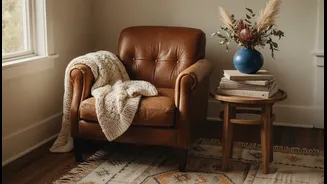
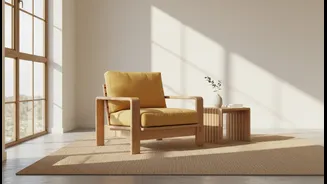
In contrast, repairable furniture is built on a foundation of quality and longevity. Crafted from solid wood, durable metals, and high-quality textiles, these pieces are designed to withstand the test of time. Think of the solid teakwood chairs passed down through generations or a sturdy dining table that has hosted decades of family meals. This philosophy represents an investment, not just a purchase. When we own items designed for longevity, our relationship with them changes. We are more likely to care for, maintain, and repair them, fostering a sense of psychological ownership and attachment. This connection deepens over time, transforming a simple object into a part of our personal history. In a world of temporary trends, choosing furniture built to last is a statement of permanence and a commitment to quality over quantity.
Adaptability Is the Ultimate Feature
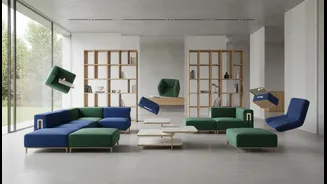
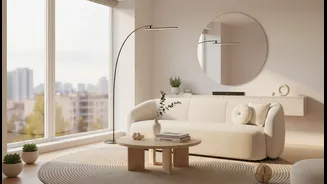
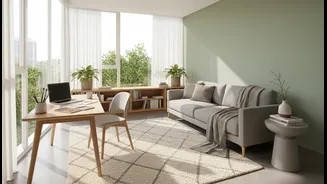
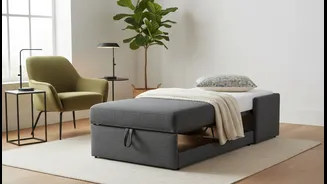
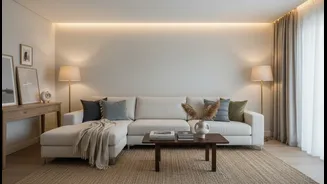
The true genius of repairable and modular furniture lies in its adaptability. Life is not static; we move homes, our families grow, and our tastes evolve. Modular systems, with their reconfigurable components, are designed to change with us. A sofa can expand from a two-seater to a large sectional, a shelving unit can be rearranged to fit a new space, and a damaged cushion can be replaced without discarding the entire piece. This flexibility makes it a far more practical and sustainable solution than trend-led items that become obsolete when our circumstances change. Instead of being a problem to solve during a move, this kind of furniture becomes part of the solution, easily disassembled and reconfigured for a new chapter in life. This adaptability ensures that the furniture remains useful and valuable for years, if not decades.
Making the Shift: A Conscious Choice
Transitioning away from disposable culture requires a shift in mindset. In India, while the circular economy for furniture is still in its early stages, there is growing momentum. When shopping, look beyond the price tag. Inquire about the materials and construction. Opt for solid wood over particleboard and look for designs that can be easily disassembled for repair. Exploring local artisans, second-hand markets, and brands that prioritise sustainability can uncover unique, high-quality pieces with a story. Supporting businesses that offer take-back programs or use recycled materials helps promote a circular economy where waste is seen as a resource. By asking the right questions and prioritising durability, consumers can drive demand for better, more responsible design, proving that the most stylish choice is one that is built to last.