



From Checklist to Connection
For years, the ideal vacation was often a frantic race against time—a blur of airports, landmarks, and ticking off a bucket list. The goal was to see as much as possible, as quickly as possible. But a significant shift is underway. Travellers are trading
this high-stress, quantity-over-quality model for something more intentional. Slow travel, as it’s known, is less about the speed of movement and more about the depth of experience. It means spending more time in a single location, swapping a packed itinerary for a flexible schedule, and immersing oneself in the local culture and environment. Instead of seeing five cities in ten days, it’s about truly living in one.
An Antidote to Modern Burnout
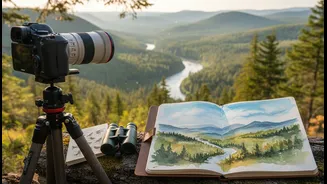
This trend is a direct response to the pressures of modern life. The constant digital noise, work demands, and the feeling of being perpetually busy have left many people feeling exhausted even after a vacation. Slow holidays, particularly those in nature, offer a genuine escape. They provide an opportunity for a digital detox, where the constant stream of notifications is replaced by the sounds of a forest or the rhythm of the waves. Studies and wellness experts point out that being in natural settings helps lower stress hormones, improves mood, and allows for a mental reset that a fast-paced city break often can't provide. It’s about seeking restoration, not just recreation.
Nature as the New Luxury
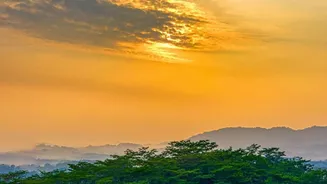
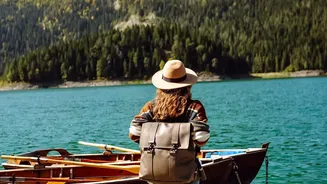
As experiences become increasingly curated and digitised, the authenticity of the natural world is emerging as the ultimate luxury. The post-pandemic era has amplified this, with a surge in demand for outdoor activities and less-crowded destinations. Travellers are seeking out serene landscapes, fresh air, and open spaces, from quiet Himalayan homestays to tranquil backwater retreats in Kerala. This isn't just about escaping crowds; it’s about reconnecting with something real. The focus shifts from manufactured attractions to genuine experiences—a long walk in the woods, a meal made from local produce, or simply watching a sunset without distraction.
A More Sustainable Way to Explore
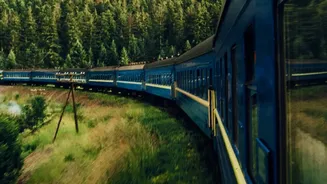
Beyond personal well-being, slow travel also carries significant environmental and economic benefits. By staying in one place longer and reducing the frequency of flights, travellers can significantly lower their carbon footprint. This approach often involves using local transport, like trains or bicycles, and supporting small, locally-owned businesses rather than large international chains. This means that tourist spending has a more direct and positive impact on the local community, helping to preserve the culture and environment that make a destination unique. It transforms tourism from a purely extractive industry into a more respectful and regenerative exchange.
What Slow Travel Looks Like
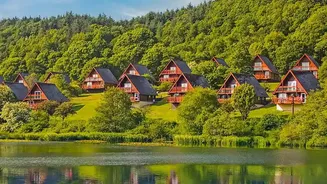
In practice, a slow holiday could mean renting a cottage in the Nilgiris for a week instead of hopping between major South Indian cities. It could be exploring the villages of Uttarakhand on foot or spending a fortnight at a single Goan beach, getting to know the local vendors and rhythms of daily life. It’s about giving yourself permission to sleep in, to read a book all afternoon, or to have a long, unhurried conversation with a new acquaintance. Travel companies in India are increasingly catering to this demand, offering curated 'digital detox' retreats and 'unplugged vacations' in remote, scenic locations with limited network connectivity. The focus is on mindfulness, personal growth, and finding joy in the journey itself, not just the destination.