
The Two Types of Dietary Iron
Iron is a vital mineral responsible for transporting oxygen in your blood and supporting energy levels. But not all dietary iron is created equal. There are two forms: heme and non-heme iron. Heme iron, found in animal products like meat, poultry, and fish,
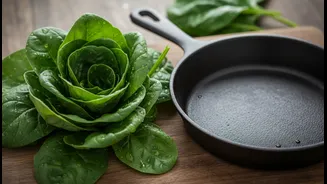
is easily absorbed by the body. Its absorption rate is relatively high, estimated to be between 15% and 35%. In contrast, non-heme iron comes from plant-based sources like lentils, beans, spinach, tofu, and fortified grains. While abundant, this type of iron is significantly harder for our bodies to absorb, with an absorption rate ranging from just 2% to 20%. This difference is crucial, especially for vegetarians, vegans, or anyone who relies heavily on plants for their iron intake.
Vitamin C to the Rescue
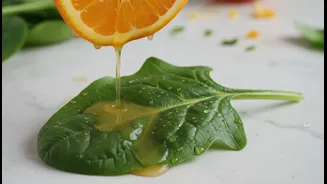
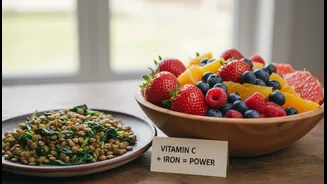
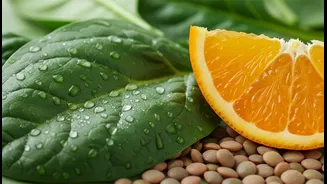
This is where vitamin C, or ascorbic acid, plays a starring role. Vitamin C is a powerful enhancer of non-heme iron absorption. Most non-heme iron is in a chemical form (ferric, Fe3+) that our gut struggles to take in. Vitamin C acts as a catalyst, converting this iron into a different form (ferrous, Fe2+) that is much more bioavailable and easier for the intestinal cells to absorb. Think of it as Vitamin C unlocking the iron from the plant food and making it ready for your body to use. Studies have shown that consuming vitamin C at the same time as a non-heme iron source can significantly boost absorption, potentially reversing the effects of substances that normally block it.
Smart Pairings for Your Plate
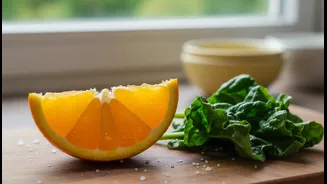
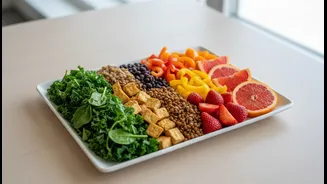
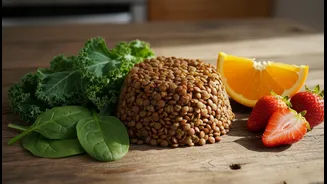
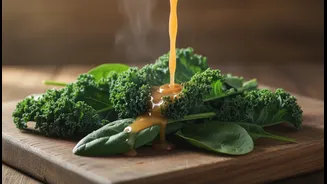
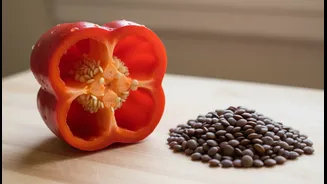
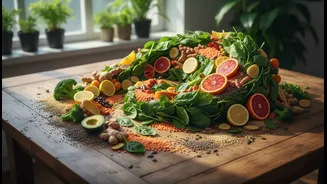
Putting this science into practice is simple and delicious. The key is to consume iron-rich plant foods and vitamin C-rich foods in the same meal. Good sources of plant-based iron include lentils, chickpeas, beans, tofu, spinach, and fortified cereals. Excellent sources of vitamin C include citrus fruits (oranges, lemons), bell peppers, broccoli, strawberries, tomatoes, and leafy greens.
Here are some easy meal ideas:
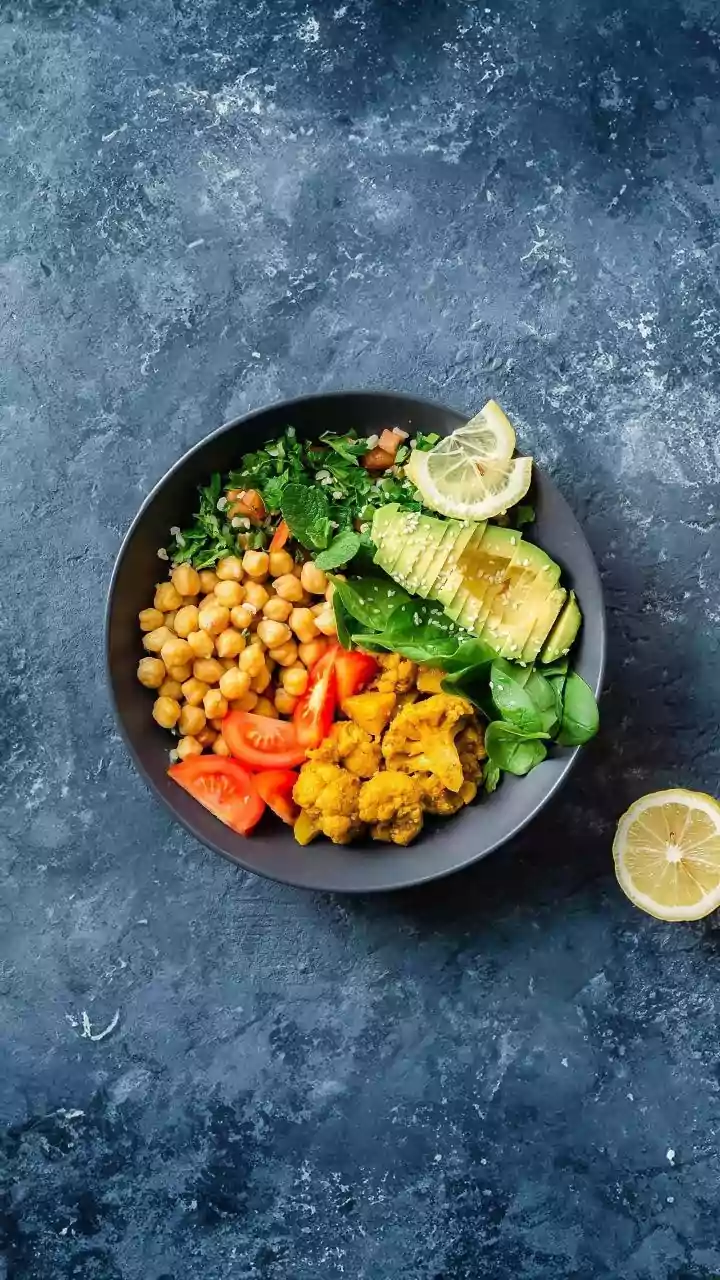
- Squeeze lemon juice over a bowl of dal or lentil soup.
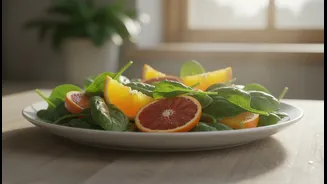
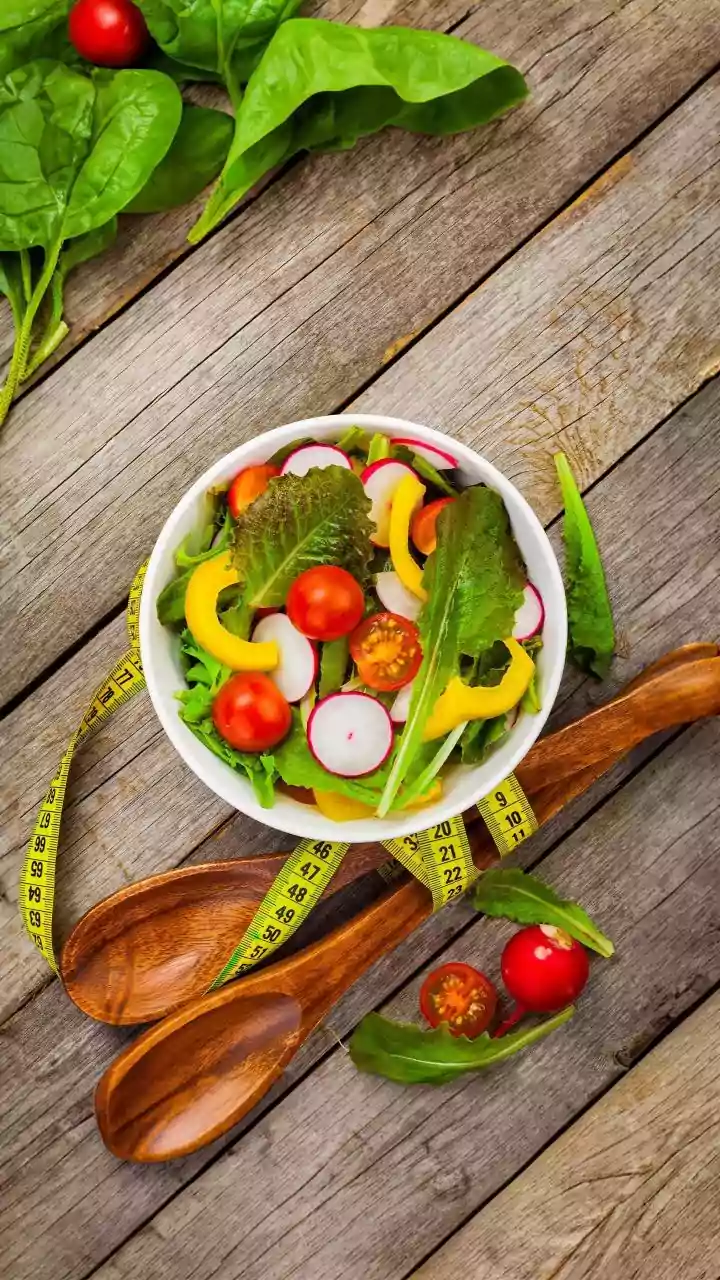
- Add fresh tomatoes and bell peppers to a spinach salad.
- Enjoy a chickpea curry paired with a side of broccoli.
- Snack on hummus with slices of red bell pepper.
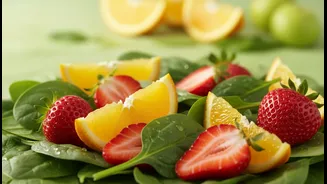
- Blend strawberries or a small orange into a smoothie with spinach.
- Top your iron-fortified breakfast cereal with a handful of fresh berries.
What to Avoid During Iron-Rich Meals
Just as some foods enhance iron absorption, others can inhibit it. Compounds called phytates, found in whole grains and legumes, and polyphenols (including tannins) in tea and coffee can significantly reduce non-heme iron absorption. Calcium from dairy products can also interfere with the absorption of both heme and non-heme iron. This doesn't mean you must eliminate these foods. Instead, strategic timing can make a big difference. Try to avoid drinking coffee, tea, or milk with your main, iron-rich meals. Experts suggest waiting at least an hour or two after an iron-focused meal before enjoying your cup of tea or coffee to maximize absorption.