




From the Pantry to the Plate
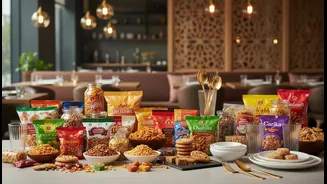
The international journey for many Indian food companies began with exporting packaged goods. Brands like Haldiram's, Bikanervala, and MTR Foods painstakingly built a global presence by stocking the shelves of supermarkets and ethnic grocery stores in countries
with a significant Indian diaspora, such as the US, UK, and UAE. This retail-first strategy was a resounding success, creating brand recognition and earning consumer trust far from home. Having conquered the global pantry, these brands are now embarking on a more ambitious second act: moving from packaged goods to plated meals. They are leveraging decades of brand loyalty to transition into the highly competitive restaurant industry, betting that a customer who loves their snacks will also visit for dinner.
The Haldiram's Blueprint for Global Dining
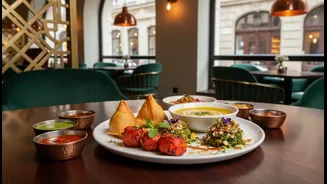
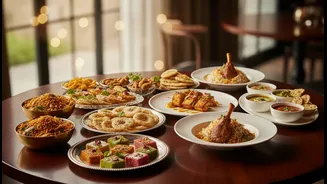
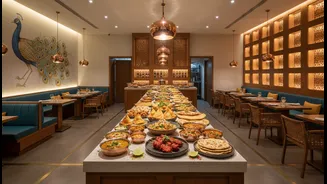
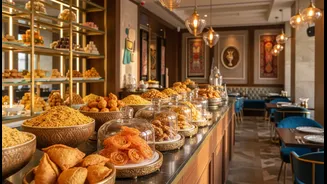
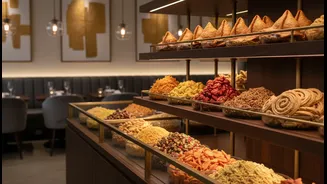
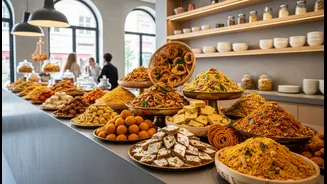
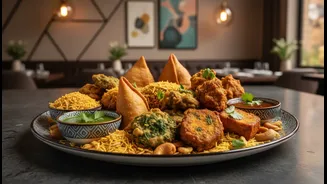
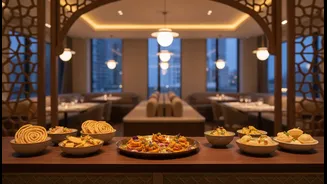
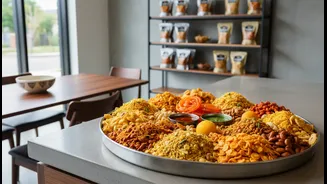
Haldiram's, which started as a small shop in Bikaner in 1937, is a prime example of this hybrid strategy in action. After establishing a powerful retail footprint in over 80 countries, the company is now making a significant push into casual dining abroad. In June 2026, it opened a 120-seat restaurant in London's Leicester Square, drawing long queues and generating considerable excitement. This follows the establishment of outlets in Dubai. The London restaurant offers an extensive menu that goes beyond the brand's famous snacks, featuring popular street food and meals like choley bhature and pao bhaji. The move is backed by significant investment, including from Singapore's state fund Temasek, aimed at accelerating this international growth. The company is already eyeing further expansion across the UK and into European markets like Germany and France.
A Taste of Home for the Diaspora
A key driver of this expansion is the deep connection these brands have with the Indian diaspora. For many Indians living abroad, names like Haldiram's and Bikanervala are synonymous with festivals, family gatherings, and the comforting taste of home. The opening of a restaurant is more than just a new dining option; it's the arrival of a cultural landmark. Bikanervala, another legacy brand with a presence in the US, Canada, New Zealand, and the UAE, is also gearing up for a major expansion into the UK. These restaurants often become community hubs, serving a dual purpose: they cater to the nostalgic cravings of the diaspora while also introducing authentic Indian cuisine to a broader international audience.
A Virtuous Cycle of Growth
The strategy of combining retail with restaurants creates a powerful, self-reinforcing business model. The ubiquitous presence of packaged snacks in supermarkets acts as constant, low-cost advertising for the restaurants, building brand recognition in a customer's own home. In turn, the restaurants serve as experiential marketing hubs. They allow new customers to discover the brand's flavours in a curated setting and act as testing grounds for new products that could eventually be launched in packaged form. This synergy builds a loyal customer base that engages with the brand both at home and when dining out. For brands like Haldiram's, which operates hundreds of restaurants in India, this is a proven playbook now being deployed on a global stage.
The Future of Indian Food is Global
While legacy brands are leading the charge, the field is open for others. Bikaji, which has invested heavily in its US subsidiary to strengthen local manufacturing and distribution, is seen as a prime candidate to follow a similar path from retail to restaurants. The global fascination with Indian cuisine continues to grow, creating a fertile ground for expansion. However, the path is not without challenges, including navigating complex food safety regulations, managing international supply chains, and adapting to local tastes without sacrificing authenticity. Success requires a delicate balance of operational efficiency and cultural awareness. As these brands continue their global march, they are doing more than just selling food; they are exporting a rich culinary heritage and reshaping the world's perception of Indian cuisine.