






From Novelty to Normality
The initial workation trend was born out of a desire to escape the monotony of working from home during the pandemic, often involving a week-long trip to a scenic spot. Today, that concept has evolved significantly. Professionals are no longer just taking
their laptops on a brief holiday; they are relocating for weeks or even months at a time. Instead of one long annual leave, the new pattern involves multiple, shorter getaways built around a work schedule. This shift is driven by normalised remote and hybrid work policies, especially in the tech and creative sectors, which have given professionals unprecedented location independence. The result is a deeper, more immersive experience where the line between working, living, and travelling blurs into a new routine.
The Rise of the Long-Stay Hotspot
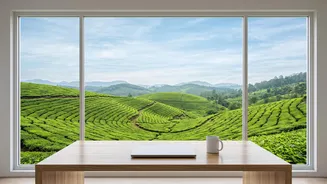
Certain destinations have become magnets for this new tribe of long-stay remote workers. Goa remains a classic choice, with its vibrant café culture, reliable internet in areas like Anjuna and Assagao, and a strong digital nomad community. However, the mountains are equally popular. Hill stations in Himachal Pradesh and Uttarakhand, like Old Manali and Rishikesh, offer a slower pace, cleaner air, and a much lower cost of living, making them ideal for extended stays. Beyond these usual suspects, quieter places like Coorg, Wayanad, and even India's first official 'Digital Nomad Village' in Yakten, Sikkim, are gaining traction. These locations are banking on peace and natural beauty, powered by increasingly reliable fibre internet connections.
How the Industry is Adapting
The hospitality industry is quickly adapting to cater to this growing demographic. It's no longer enough to just offer a room with a view. Hotels, homestays, and hostels are now providing amenities specifically for remote workers: high-speed Wi-Fi with power backup, ergonomic chairs, and dedicated workspaces are becoming standard. Many have moved beyond basic infrastructure to foster a sense of community. Co-working zones within hotels, weekly rate packages for long stays, and organised social events help combat the isolation that can come with remote work. In places like Sikkim's Yakten village, the model is built around homestays, allowing workers to live with local families, creating a rich cultural exchange alongside a productive work environment.
More Than a Passing Trend
The evolution of workations from a temporary fix to a sustained lifestyle choice has significant implications. For remote workers, it offers a powerful antidote to urban burnout and a chance for better work-life integration. For local economies in tourist-dependent areas, it promises a more stable, year-round income, reducing reliance on the traditional peak and off-peak seasons. This shift is supported by tangible data, with one survey finding that 33% of travellers prefer working from natural settings. As the infrastructure in these destinations continues to improve—from internet connectivity to accessible, long-stay accommodation—this trend is solidifying its place as a permanent feature of modern professional life in India.