





The Great Talent Reversal
The long-established narrative of talent migrating from small towns to big cities is starting to reverse. The pandemic-induced shift to remote and hybrid work was a catalyst, allowing professionals to reconsider their priorities. Many are now choosing
to stay in or return to their hometowns, drawn by a better quality of life, lower living costs, and the ability to be closer to family. This isn't just a lifestyle choice; it's a strategic career move for many. Companies are taking notice. A September 2026 report from Genius HRTech revealed that 69% of organisations have increased their hiring from Tier-2 and Tier-3 cities by over 30% in the last two years. This is no longer an experiment but a core strategy, with 55% of employers expecting these cities to become their primary source of new hires within the next three years.
More Than Just Cost Savings
While cost efficiency is a major driver—with savings of up to 30% on salaries and 40-50% on operational overheads—the move beyond metros is about more than the bottom line. Companies are discovering that smaller cities offer access to a largely untapped, skilled, and motivated talent pool. A significant 64% of employers now believe that these emerging hubs possess industry-ready talent for most functions. Furthermore, businesses report stronger employee loyalty and lower attrition rates, which are often 15-25% lower than in major metros. This creates a more stable workforce and a win-win situation: companies gain a competitive edge with a resilient, distributed team, and employees get access to high-quality jobs without the pressures of metro life.
Meet the New Contenders
A new league of cities is rising to challenge the dominance of traditional hubs. Places like Pune, Jaipur, Indore, Coimbatore, and Kochi are increasingly part of the conversation. LinkedIn's 2026 'Cities on the Rise' list highlighted Visakhapatnam, Ludhiana, and Surat as leading the charge. These cities are no longer just feeder markets; they are becoming strategic talent hubs in their own right. The growth is sector-specific. Global Capability Centers (GCCs) are flocking to Jaipur and Coimbatore. The IT sector is booming in cities like Visakhapatnam and Vadodara, which saw a 95% rise in tech jobs. Meanwhile, manufacturing and engineering are expected to be the biggest drivers of demand in these locations over the next few years.
Infrastructure and Investment Paving the Way
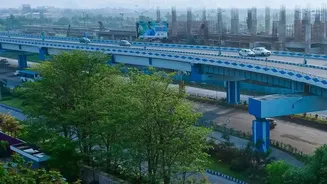
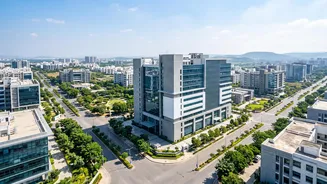
This transformation is being fuelled by significant improvements in infrastructure. Better digital connectivity, the expansion of airports, and the development of tech parks and co-working spaces are making it easier for companies to operate from anywhere. Government initiatives at both the central and state levels are also playing a crucial role, providing incentives to nurture local tech clusters and attract investment. Companies are responding with a 'plus-one' strategy: maintaining their headquarters in a major metro while opening new offices in emerging cities to diversify their footprint and tap into new markets. This approach allows them to build resilience and access a wider range of skills across the country.
The Road Ahead
The trend is not without its challenges. A majority of employers—60% according to one survey—cite inadequate infrastructure and connectivity as the biggest hurdles to further expansion. As these cities grow, they will face increased pressure on housing, transportation, and public services. For the momentum to be sustainable, continued investment in both physical and digital infrastructure is critical. Furthermore, while the talent is available, there will be an ongoing need for specialised upskilling programs to ensure the local workforce can meet the evolving demands of industries like AI, cybersecurity, and advanced manufacturing. Integrating new teams into the corporate culture also presents a hurdle that companies must navigate carefully.