



A Monsoon Immunity Booster
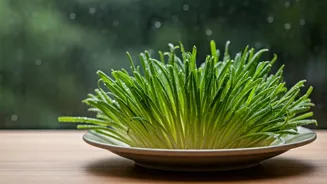
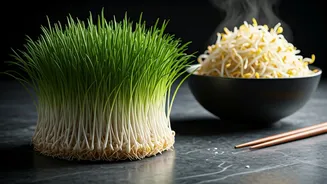
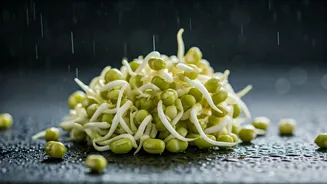
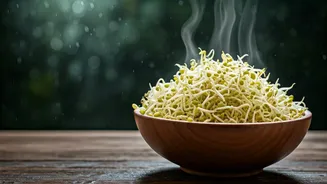
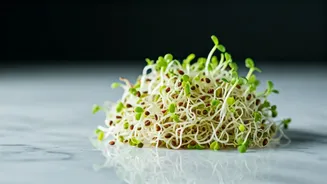
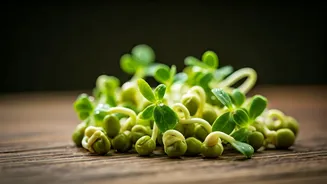
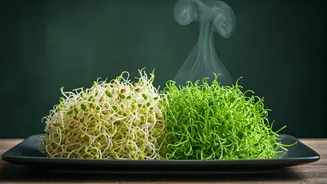
When the skies open up, our immune systems often take a hit. This is where sprouts come in. These tiny powerhouses are essentially germinated seeds of legumes and grains like moong, moth beans, chickpeas, or alfalfa. The process of sprouting dramatically
increases their nutritional value. They become packed with vitamins C and A, antioxidants, and essential minerals like iron and zinc—all of which are crucial for a strong immune response. Furthermore, sprouting activates enzymes that make the nutrients easier for your body to absorb. This means you get more health benefits from a cup of sprouts than you would from the same amount of unsprouted dal. They are light on the stomach and aid digestion, countering the digestive sluggishness that many experience during the damp, humid monsoon months.
The Humidity Hurdle: Sprouting Safely
While sprouts are incredibly healthy, they come with a monsoon-specific challenge: safety. The same warm, humid conditions that help seeds sprout are also a perfect breeding ground for harmful bacteria like E. coli and Salmonella. Improperly handled sprouts can become slimy, develop a foul odour, and pose a real risk of foodborne illness. This is why the 'better sprouts' in your healthy meal must be 'safer sprouts.' Commercial sprouts are often grown in large batches where contamination can spread easily. By making them at home, you have complete control over the hygiene and process, significantly reducing the risk. The key is to ensure your sprouting environment is clean, well-ventilated, and that the sprouts are rinsed frequently to wash away any potential bacterial growth.
Your Guide to Perfect Homemade Sprouts
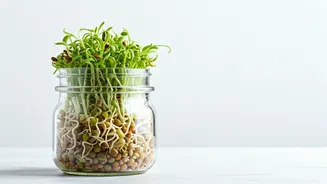
Making crisp, fresh, and safe sprouts at home is simple if you follow a few basic steps. 1. **Select & Clean:** Start with good-quality, whole beans or seeds meant for sprouting. Discard any broken or discoloured ones. Wash them thoroughly under running water to remove any dirt or impurities. 2. **Soak:** Place the cleaned seeds in a large bowl and cover them with at least double the volume of clean, drinking water. Let them soak for 8-12 hours, or overnight, depending on the seed. Moong beans, for example, soak faster than chickpeas. 3. **Drain & Air:** After soaking, drain all the water completely. Transfer the seeds to a muslin cloth, a sprout maker, or a colander. The goal is to keep them moist but not waterlogged. Air circulation is key. 4. **Rinse Regularly:** This is the most critical step for safety. Rinse the sprouting seeds with fresh water at least twice a day (morning and evening). This washes away metabolic waste and prevents bacterial growth. Drain thoroughly after each rinse. 5. **Harvest & Store:** Your sprouts should be ready in 1-3 days, when the tails are about a centimetre long. Give them a final rinse, drain well, and store them in a covered container in the refrigerator for up to three days.
Common Sprouting Mistakes to Avoid
A bad batch of sprouts is often due to a few common errors. First, avoid using old or poor-quality seeds, as they may not germinate well and are more prone to spoilage. Second, don't skip the rinsing schedule. Forgetting to rinse your sprouts, especially in a humid climate, is the fastest way to a slimy, smelly mess. Third, ensure proper drainage. If your sprouts are sitting in a puddle of water, they will rot instead of sprout. Finally, don't pack them into an airtight container while they are still sprouting. They need to breathe. Only move them to a closed container once they are ready and you are storing them in the fridge.
Beyond the Basic Sprout Salad
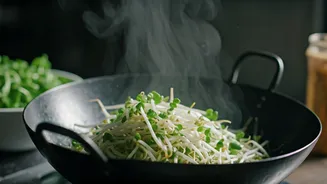
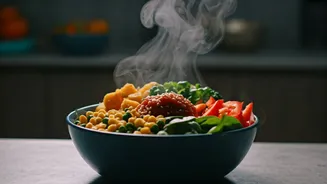
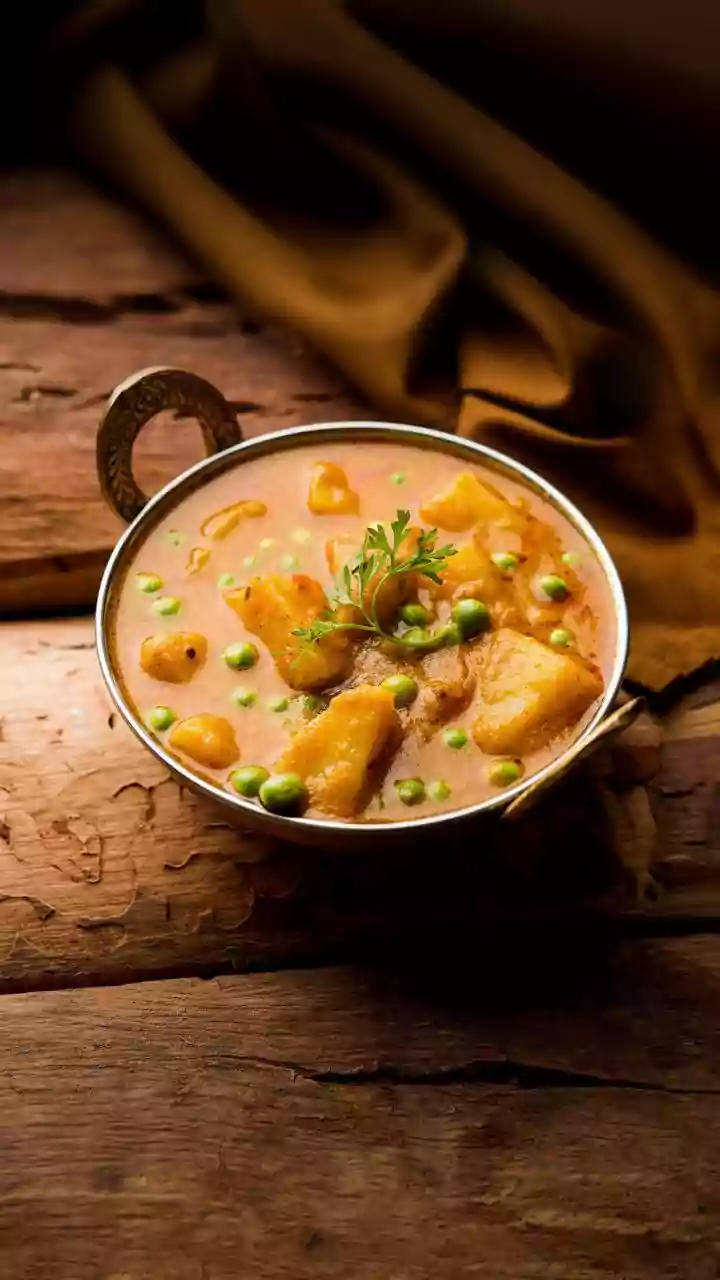
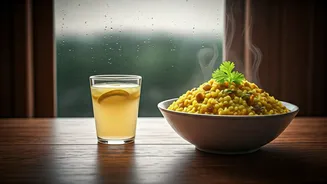
Monsoon is the time for warm, comforting food, so move beyond cold sprout salads. Try a warm sprout chaat by lightly steaming the sprouts and tossing them with chopped onions, tomatoes, chaat masala, and a squeeze of lemon. You can also make a nutrient-packed 'usal' or 'misal,' a lightly spiced curry from Maharashtra made with moth bean sprouts that is perfect with pav. Another simple trick is to add a handful of sprouts to your morning poha, upma, or vegetable stir-fry in the last few minutes of cooking. This adds a delightful crunch and a powerful nutritional punch to your meal without much effort, making it easy to keep your health on track while enjoying the season.