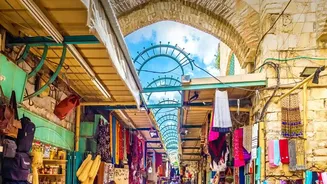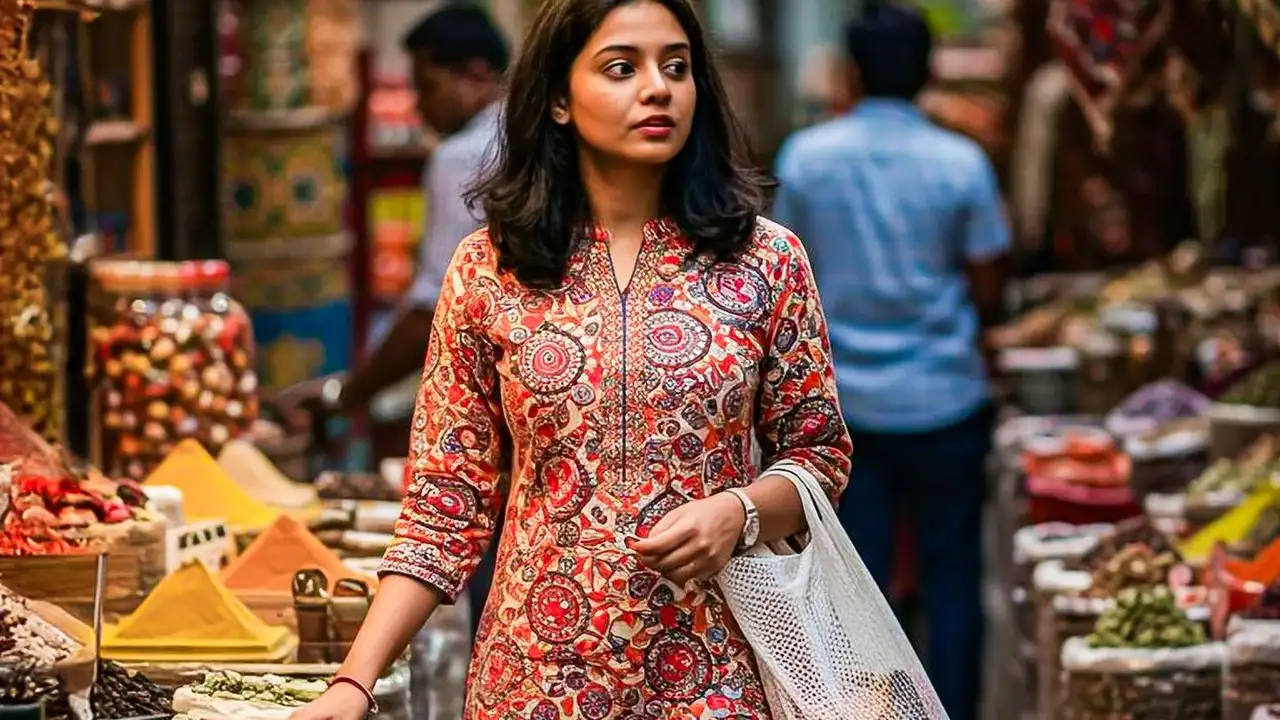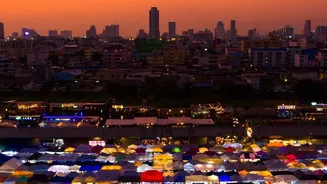







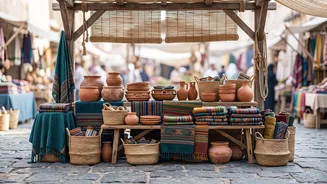

In India’s bustling metros, a quiet but significant shift is happening. Despite the gleaming presence of modern shopping malls, city dwellers are increasingly turning to the timeless charm of local bazaars for their everyday needs. Why now?
The Irresistible Pull of Freshness and Variety
For daily essentials
like fruits, vegetables, and groceries, local markets hold an undeniable advantage. Unlike the pre-packaged and standardized offerings at hypermarkets, bazaars offer a direct line to fresh, seasonal produce. Shoppers can physically inspect items, choosing the exact quantity and quality they desire. This hands-on approach builds a sense of trust and control that a sterile mall environment cannot replicate. Beyond groceries, local markets are treasure troves of unique, non-branded goods, from handcrafted decor to small-batch spices and regional specialties that reflect the local culture. This variety stands in stark contrast to the often homogenous brand landscape found in most shopping malls across the country.
An Equation of Affordability and Value
Price remains a powerful motivator for the Indian consumer. Local bazaars are widely perceived as more affordable, offering better value for money, especially on everyday items. The ability to bargain, a deeply ingrained part of Indian shopping culture, is a key differentiator. This interactive negotiation process not only leads to better prices but also provides a sense of satisfaction and a personal connection that fixed-price tags in malls deny. With lower overheads and a direct-to-consumer model, vendors in unorganized retail can often provide goods at a lower cost, a critical factor for households managing their budgets, even as overall spending per shopping trip increases.
Shopping as an Experience and a Connection
While malls position themselves as 'experiences' with food courts and cinemas, they often provide a predictable, air-conditioned sameness. Local markets, in contrast, offer a rich, multi-sensory experience. They are vibrant, chaotic, and filled with the sounds of chatter, the aroma of street food, and a kaleidoscope of colours. This atmosphere turns a routine shopping trip into a cultural immersion. Furthermore, the human element is central to the bazaar's appeal. Shoppers often build long-term relationships with specific vendors, fostering a sense of community and mutual trust. Your neighbourhood vegetable seller knows your preferences, and the local kirana store owner might offer credit—a level of personalization and familiarity that large, transactional retail chains cannot match.
Redefining Modern Convenience
Malls may seem like the pinnacle of convenience, but for quick, everyday purchases, they can be surprisingly inefficient. A trip to a mall often involves navigating traffic, searching for parking, and walking long distances within the complex just to buy a few items. Local markets, on the other hand, are typically located within residential neighbourhoods, offering unparalleled proximity. This 'hyperlocal' advantage makes them the go-to option for daily top-ups and immediate needs. The structure of unorganized retail, with its flexible hours and focus on essentials, is designed for quick, frequent visits, aligning perfectly with the rhythm of daily urban life. While malls are destinations for planned, longer outings, bazaars serve the immediate needs of the community.
The Rise of Conscious Consumerism
There's also a growing trend towards supporting local economies. A significant portion of Indian consumers now consciously prefer to buy from homegrown and small businesses. This sentiment is driven by a desire for authenticity and a wish to contribute to the local community. Shopping at a bazaar directly supports small-scale entrepreneurs, farmers, and artisans, keeping money circulating within the local economy. This alignment with values of sustainability and community support adds a layer of purpose to shopping that resonates strongly with many modern consumers, who see their spending as a way to make a positive impact.