


The Promise of Rice Water
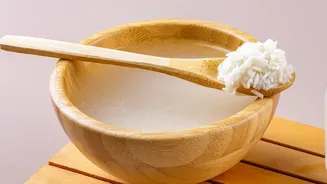
Reusing the cloudy water from rinsing rice is an appealing idea for any gardener. It feels sustainable and makes use of something that would otherwise go down the drain. This liquid isn't just water; it’s infused with starch and small amounts of nutrients
that are beneficial for plants, including nitrogen, phosphorus, and potassium—the building blocks found in many commercial fertilizers. These elements support leafy growth, root development, and overall plant health. The starch in the water also serves as food for beneficial microbes in the soil. These microorganisms help improve soil structure and make nutrients more available to the plant's roots, creating a healthier environment for growth.
An Unintended Invitation for Pests
Despite its benefits, using rice water carelessly can lead to a frustrating problem, especially with indoor plants. The very component that feeds good microbes—starch—can also attract pests when it builds up on the soil's surface. If you pour unstrained or overly concentrated rice water into your pots, you may be creating a perfect breeding ground for fungus gnats, whose larvae feed on decaying organic matter in damp topsoil. The excess starch can also lead to a crust forming on the soil, which might trap moisture and lead to mould growth, further encouraging pests. Some gardeners report that frequent use of starchy water attracts ants and other unwanted insects.
The Simple Fix: Straining
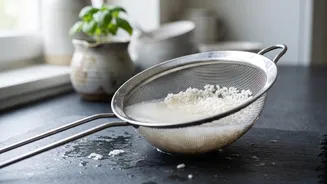
The headline's claim holds true: preventing these pest issues is remarkably simple. The key is to separate the liquid from any solid particles. After rinsing your uncooked rice, don't just pour the water directly into your plants. Instead, pass the cloudy liquid through a fine-mesh sieve, cheesecloth, or even a coffee filter to remove any leftover grain fragments or heavy starch deposits. This step ensures you're left with a nutrient-infused liquid without the solid organic matter that pests are drawn to. By straining the water, you minimize the risk of creating a starchy, pest-attracting layer on top of your plant’s soil, allowing you to reap the benefits without the buggy drawback.
How to Use Rice Water Correctly
For happy, pest-free plants, follow a few best practices. First, always use the water from rinsing uncooked rice. Never use water that has been salted, oiled, or seasoned in any way, as salt can damage plant roots. The water from your first or second rinse is ideal. After straining, many experts recommend diluting the rice water, especially if it's very cloudy. A ratio of 1:1 with plain water is a safe starting point. Apply the diluted, strained water directly to the soil, avoiding the leaves to prevent potential mould issues. Be mindful of frequency; using rice water no more than once every two to four weeks during the growing season is a good rule of thumb. Overdoing it, even with strained water, can still lead to problems.
Fermented vs. Fresh: What's the Difference?
You may have also heard about fermented rice water. This is simply rice water that has been left to sit, loosely covered, for a few days until it develops a sour smell. The fermentation process can increase the concentration of beneficial bacteria and make the nutrients more readily available to plants. Some studies have shown that fermented rice water can significantly boost plant growth. However, it also becomes more acidic, which benefits acid-loving plants like tomatoes or ferns but might not be ideal for others. It also has a strong odour and still carries a risk of attracting pests if overused. For the average houseplant owner, using fresh, strained, and diluted rice water is often the simplest and safest approach.