



The Problem Starts in the Mouth
The most common health issue affecting adult dogs and cats is periodontal disease. It's an infection of the tissues holding the teeth in place, and it begins with plaque—a soft film of bacteria that forms daily. If not removed, this plaque hardens into
tartar, a stubborn, yellow-brown crust that irritates the gums. This initial stage, known as gingivitis, causes the gums to become red, swollen, and prone to bleeding. While gingivitis is reversible, if left unchecked, it progresses to periodontitis, a more severe and irreversible condition where the infection damages the bone and ligaments supporting the teeth. Most of this damage happens silently below the gumline, long before you might notice obvious signs like loose teeth.
How Oral Bacteria Reach the Heart
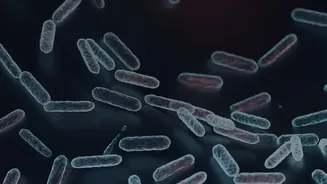
So, how does a problem in the mouth affect a vital organ like the heart? The pathway is the bloodstream. Inflamed and bleeding gums create a direct entry point for oral bacteria. Every time your pet chews on food or a toy, tiny amounts of bacteria can slip into circulation. A healthy immune system can handle occasional invaders, but a mouth with chronic periodontal disease sends a constant stream of bacteria throughout the body. These bacteria, particularly species like Streptococcus and Staphylococcus, can travel to the heart and attach to the inner lining or valves. This can trigger a serious condition called infective endocarditis, an infection and inflammation of the heart valves that can lead to heart murmurs, fever, and even heart failure.
The Power of Chronic Inflammation
Beyond direct infection, chronic periodontal disease places a broader strain on the body. The persistent oral infection keeps the body in a constant state of low-grade inflammation. This systemic inflammation can stress the entire cardiovascular system over time, potentially worsening existing heart conditions or contributing to new ones. Studies in dogs have shown a significant association between the severity of gum disease and the risk of developing cardiovascular problems. While researchers note that an association isn't definitive proof of causation, the evidence is strong enough to warrant taking pet dental health very seriously as a key factor in reducing cardiac risk.
Signs of Dental Trouble
Pets are masters at hiding pain, so owners need to be vigilant. The most common and earliest sign of dental disease is persistent bad breath (halitosis). Other warning signs include yellow or brown tartar buildup, red or bleeding gums, and changes in eating habits. You might notice your pet dropping food, chewing on only one side of their mouth, or showing reluctance to eat hard kibble. Pawing at the face or visible facial swelling can also indicate a painful dental issue. If you spot any of these signs, it's time for a veterinary check-up.
Prevention Is the Best Medicine
The good news is that periodontal disease is largely preventable. The single most effective thing you can do at home is to brush your pet's teeth regularly—ideally daily—using a toothpaste formulated specifically for animals. If brushing isn't possible, other options can help, including dental wipes, oral rinses, water additives, and specially designed dental diets and chews. Look for products approved by the Veterinary Oral Health Council (VOHC), which have been proven to reduce plaque or tartar. These home care efforts should be paired with regular professional dental cleanings performed by your veterinarian. Anesthetized cleanings are the only way to effectively clean below the gumline and take dental X-rays to find hidden problems.