






The Meaning of 'Award-Winning'
When we talk about awards for environmental standards in Maharashtra, it isn't just one trophy on a shelf. It’s a collection of prestigious recognitions that tell a story of consistent effort. A key example is the Swachh Survekshan, the Indian central
government's annual cleanliness survey. In recent rankings, Navi Mumbai was recognised as India's cleanest city in its category, a testament to its robust waste management and public sanitation systems. Cities like Pimpri-Chinchwad also frequently top state-level charts. Beyond city limits, the state's coastline has recently achieved a major milestone. For the first time, three of its beaches—Ladghar, Guhagar, and Shrivardhan—have earned the coveted international Blue Flag certification. This globally recognized eco-label is awarded only to beaches meeting strict criteria for water quality, safety, and environmental management. These accolades highlight a commitment that spans from bustling urban centres to serene coastlines.
Urban Renewal in Mumbai and Pune
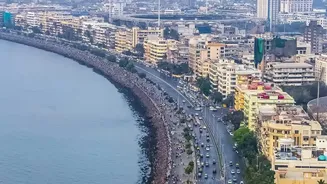
The journey into Maharashtra's green standards begins in its most populous hubs. Mumbai, a city that never sleeps, is waking up to a more sustainable reality. The Mumbai Climate Action Plan (MCAP) is a comprehensive strategy aiming for net-zero emissions by 2050, focusing on everything from waste management to protecting urban green spaces. Citizen-led initiatives have been crucial, with community groups organising large-scale cleanups of beaches and restoring lake ecosystems like Powai Lake. A short drive away, Pune has become a leader in green buildings. The city incentivises sustainable construction through a partnership with the Indian Green Building Council (IGBC), offering benefits for projects that achieve green ratings for energy efficiency and water conservation. These urban centres demonstrate how policy and public participation can combine to create cleaner, healthier living environments.
Protecting the Konkan Coast
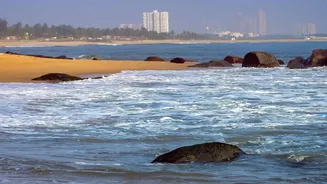
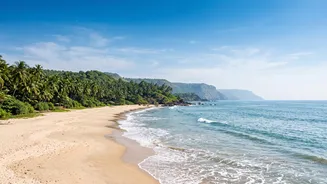
The state's stunning Konkan coast is another focal point of environmental action. The recent Blue Flag certifications for three beaches are the result of concerted efforts to manage waste, ensure water purity, and protect local biodiversity. But the work goes deeper than just pristine sands. The Maharashtra Mangrove Cell has been instrumental in a community-led eco-tourism initiative. This programme, running across all coastal districts, empowers local communities to manage and protect vital mangrove ecosystems while generating sustainable livelihoods through activities like oyster farming and guided nature tours. By linking conservation with economic benefits, the state is creating a powerful incentive for locals to become stewards of their environment, ensuring the long-term health of these critical coastal habitats.
The Bedrock of Standards
Underpinning these visible achievements is a robust regulatory framework managed by the Maharashtra Pollution Control Board (MPCB). Established in 1970, even before the central government's Water Act, the MPCB sets some of the country's most stringent environmental rules. These standards govern everything from the quality of effluent discharged by industries into rivers to the management of hazardous waste and air pollution. The board specifies different limits for pollutants like Biochemical Oxygen Demand (BOD) and Total Suspended Solids (TSS) based on where the water is being discharged, whether into a river, a public sewer, or onto land for irrigation. This meticulous, science-based approach ensures that development and industrial activity happen within a framework designed to protect the state's precious natural resources.