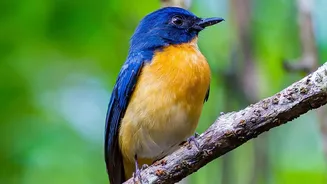







An Avian Treasure Trove
South Andaman isn't just another tropical destination; it's a globally recognised Important Bird Area. The islands are home to a stunning array of endemic birds you won't find anywhere else on the planet. Hotspots like Chidiya Tapu—literally 'Bird Island'—and
Mount Harriet National Park offer trails that wind through dense evergreen forests, mangroves, and coastal habitats. Birders flock here with hopes of spotting the Andaman Woodpecker, the Andaman Serpent Eagle, the Andaman Crake, and the magnificent Andaman Wood Pigeon. The air is filled with the calls of Andaman Drongos, treepies, and bulbuls, making every walk an auditory treasure hunt long before you even raise your binoculars. The sheer diversity, from forest dwellers to coastal waders, makes it a premier destination for serious and casual birders alike.
Embrace the Monsoon
The lifeblood of these verdant forests is the monsoon. The islands experience two main rainy seasons: the southwest monsoon from May to September and the northeast (or retreating) monsoon from November to December. While many consider the drier period from November to April the peak season for comfortable birding and migratory species, the monsoon itself offers a unique experience. The forests become exceptionally lush, and insect activity increases, drawing out insectivorous birds into plain sight. Rain shouldn't be seen as a trip-ruiner; it's an integral part of the rainforest's character. However, it demands respect and preparation, as trails can become slippery and downpours can be sudden and intense. Planning for rain isn't about avoiding it, but about equipping yourself to enjoy the vibrant, rain-washed world it creates.
Your Wet-Weather Gear Checklist
Successful rainforest birding hinges on your gear. First, protect your optics. Waterproof binoculars are a non-negotiable investment. Even with them, a lens cloth kept in a dry bag is essential for wiping away moisture. To keep your field guide, notebook, and electronics safe, a waterproof daypack or a pack with a reliable rain cover is crucial. Consider a small, lightweight umbrella for periods of lighter rain when a full jacket feels too warm. For your footwear, choose waterproof hiking boots with excellent grip to navigate muddy and slippery trails. Paired with wool socks, your feet will stay more comfortable, as wool helps manage moisture and prevent blisters. Finally, a reusable water bottle is a must to stay hydrated in the humid conditions.
Dress for a Downpour
Your clothing choices are your first line of defense against the elements. The key is layering with lightweight, quick-drying fabrics. Avoid cotton, which absorbs moisture and stays wet. Instead, opt for synthetic materials or merino wool. A high-quality, breathable rain jacket is your most important piece of apparel. It should be large enough to fit over a light fleece layer for cooler early mornings but lightweight enough to be packed away when the sun appears. Rain pants are also highly recommended. Look for muted, natural colours like green, brown, or grey; bright colours can startle birds and make you more conspicuous. A wide-brimmed hat is another essential, serving double duty to keep rain off your face and shield you from the sun.
Techniques for Birding in the Rain
Birding in the rain requires a shift in technique. Birds often seek shelter during heavy downpours, so focus your attention on dense thickets, the underside of large branches, and sheltered clearings. Your ears become your best tool; listen for calls to locate birds hidden in the foliage. Patience is key. Find a dry spot, perhaps under a natural overhang or with your umbrella, and wait. Activity often picks up immediately after a shower passes. Early mornings and late afternoons remain the best times for birding, even on rainy days, as this is when birds are most active. Hiring a local guide is highly recommended, as they possess invaluable knowledge of where specific species shelter during different weather conditions and can help you navigate the trails safely.