
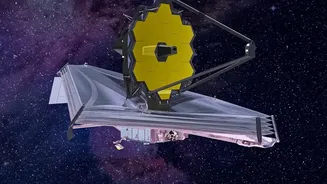
A Groundbreaking Glimpse
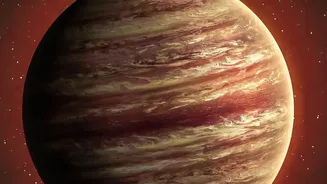
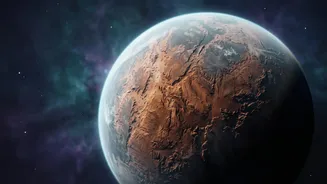
In a landmark discovery, astronomers have confirmed the presence of a substantial atmosphere around 55 Cancri e, a rocky 'super-Earth' located 41 light-years away. For years, scientists debated whether this intensely hot planet had an atmosphere at all.
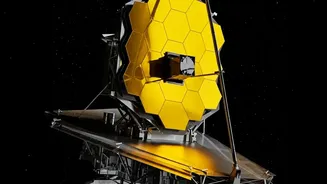
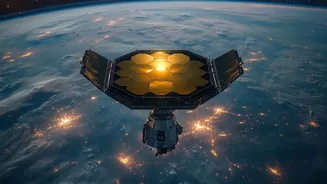
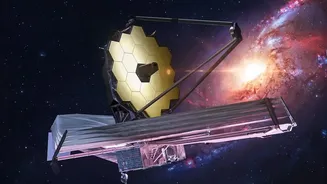
Now, thanks to the unparalleled power of the JWST, we have an answer. The data suggests an atmosphere rich in gases like carbon monoxide or carbon dioxide, which may be bubbling up from a vast, molten magma ocean that likely covers the planet's surface. While this finding pertains to a single, hellishly hot planet, it represents a monumental proof of concept. It confirms that the JWST can successfully detect and characterise atmospheres around rocky planets—a critical step in the ultimate quest to find a world much more like our own.
What is a 'Super-Earth'?
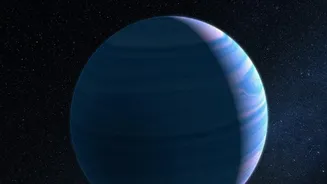
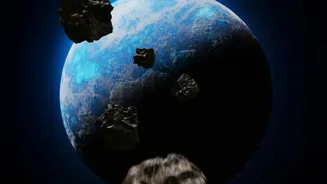
The term 'super-Earth' might conjure images of a bigger, better version of our home world, but in astronomy, it's a simple classification based on size. A super-Earth is any exoplanet with a mass higher than Earth's but significantly less than that of our system's ice giants, Uranus and Neptune. They can be rocky, gaseous, or a combination. What makes them so compelling is their sheer abundance; they are one of the most common types of planets found in our galaxy, yet curiously, our own solar system doesn't have one. This makes them a fascinating puzzle. Studying them, especially rocky ones with atmospheres, helps scientists understand the diverse ways planets can form and evolve, offering a window into worlds that are both alien and potentially, one day, familiar.
How JWST 'Tastes' Alien Air
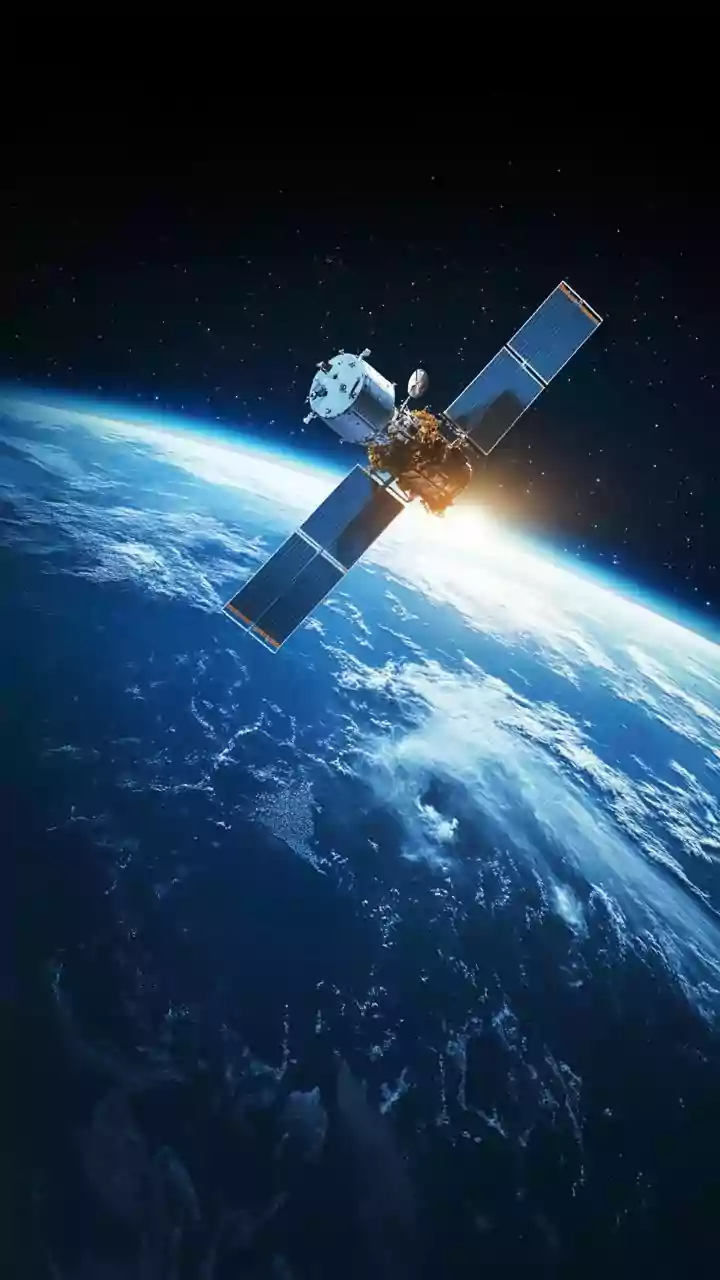
Detecting the chemical makeup of an atmosphere light-years away sounds like science fiction, but the JWST does it through a brilliant technique called transit spectroscopy. As an exoplanet passes in front of its host star from our perspective, a tiny fraction of the starlight filters through the planet's atmosphere. Different gas molecules absorb specific wavelengths, or colours, of light. The JWST's highly sensitive instruments, called spectrographs, capture this filtered light and spread it out like a rainbow. By looking at which colours are missing, astronomers can identify the chemical 'fingerprints' of the molecules present, like water vapour, methane, or carbon dioxide. It's a painstaking process of elimination that allows scientists to effectively 'taste' the composition of a distant world's air.
Water Vapour vs. Habitability
The detection of water vapour is always an exciting moment in astronomy. On a rocky planet like GJ 486 b, another super-Earth studied by Webb, hints of water have been detected. However, scientists must be cautious. In this case, they are still working to determine if the signal is truly from a planetary atmosphere or from cool spots on the star itself. Even if confirmed, the presence of water vapour does not automatically mean a planet is habitable. 55 Cancri e, for instance, has a surface temperature hot enough to melt rock, making it a 'hellscape' rather than a haven. The significance lies not in the immediate habitability of these specific planets, but in demonstrating the ability to find water on rocky worlds at all. It tells us that the building blocks of life are present throughout the galaxy, waiting to be found in the right place, at the right time, on a more temperate world.
A New Era of Discovery
These findings are more than just isolated discoveries; they are the dawn of a new chapter in exoplanet science. For decades, detecting atmospheres around rocky planets was beyond our technological reach. Now, the James Webb Space Telescope is making it a reality. Each observation provides crucial data that refines our models of how planets form, how they retain their atmospheres, and what geological processes might be at play on a global scale. The evidence of a dynamic atmosphere on 55 Cancri e, possibly sustained by volcanic outgassing from a magma ocean, offers a glimpse into the extreme planetary processes that occurred in the early history of worlds like Earth and Venus. By studying these fiery, inhospitable super-Earths today, we are learning the lessons we'll need to one day identify a true Earth 2.0.